
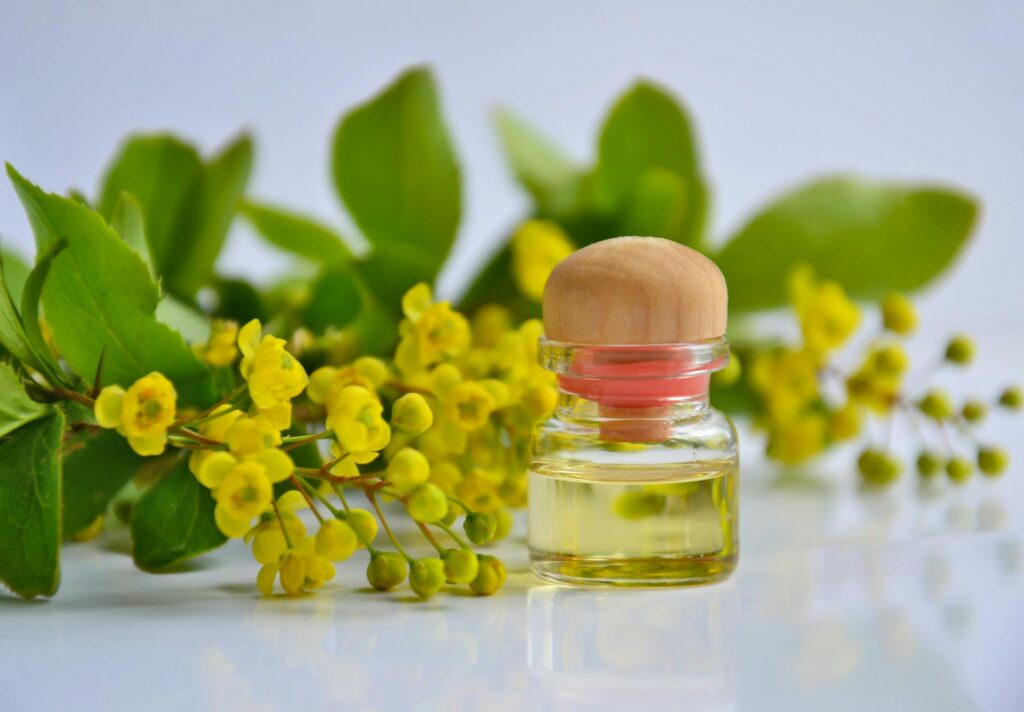
Aromatherapy Uses of Medicinal Shrubs
Introduction
Aromatherapy, the practice of using essential oils derived from plants to enhance physical and emotional well-being, has gained popularity across cultures and generations. Among the vast array of plant sources for essential oils, medicinal shrubs hold a significant place. These shrubs not only provide aromatic compounds that can be harnessed for various therapeutic applications but also exhibit unique properties that enhance their efficacy. This article explores the world of medicinal shrubs, their benefits, common uses, and their applications in aromatherapy.
What Is Medicinal Shrubs?
Medicinal shrubs are woody plants that typically possess therapeutic properties. These plants often have a range of active compounds, including essential oils, flavonoids, alkaloids, and tannins, which contribute to their health benefits. Shrubs are characterized by their short stature, woody stems, and branching nature, distinguishing them from trees and herbaceous plants.
Some well-known medicinal shrubs include:
- Lavandula angustifolia (Lavender)
- Rosmarinus officinalis (Rosemary)
- Thymus vulgaris (Thyme)
- Sambucus nigra (Elderberry)
- Salvia officinalis (Sage)
- Culinary: Many medicinal shrubs, such as rosemary and thyme, are widely used in cooking, adding flavor and health benefits to dishes.
- Natural Remedies: Infusions, tinctures, and extracts from these plants are often employed in herbal medicine for their therapeutic properties.
- Cosmetics: Essential oils from medicinal shrubs are frequently used in skincare products for their beneficial effects on the skin.
- Household Cleaners: The antimicrobial properties of certain shrubs make them popular ingredients in natural cleaning products.
- Aromatherapy: These shrubs are extensively used in aromatherapy, where their essential oils are diffused, inhaled, or blended into topical formulations.
- Dilution: Essential oils should be diluted in a carrier oil before being applied topically to avoid skin irritation or sensitization.
- Patch Testing: Conduct a patch test on a small area of skin before using a new essential oil to check for any adverse reactions.
- Pregnancy and Nursing: Some essential oils may not be safe for pregnant or nursing women. It is advisable to consult a qualified professional before use.
- Medical Conditions: Individuals with pre-existing medical conditions or those taking medications should consult a healthcare practitioner before incorporating essential oils into their routine.
- Children and Pets: Certain essential oils can be harmful to children and pets. Always research and consult reliable sources before use in these populations.
- Containers: Essential oils should be stored in dark glass bottles to protect them from light exposure, which can degrade the oils.
- Temperature: Keep essential oils in a cool, dark place to prevent oxidation. Avoid storing them in areas with fluctuating temperatures, such as near stoves or windows.
- Shelf Life: The shelf life of essential oils varies depending on the type and storage conditions. Most essential oils can last from one to five years, but it is advisable to check for signs of degradation, such as changes in aroma or viscosity.
These shrubs have been utilized in traditional medicine for centuries and continue to be researched for their potential health benefits.
Key Benefits and Properties
Medicinal shrubs contain a variety of bioactive compounds that contribute to their therapeutic properties. Here are some of the key benefits associated with these plants:
1. Antimicrobial Properties: Many medicinal shrubs have demonstrated antimicrobial activity, making them effective in combating various pathogens.
2. Anti-inflammatory Effects: Compounds found in these shrubs may help reduce inflammation, providing relief from various conditions.
3. Relaxation and Stress Relief: Aromatic essential oils from shrubs like lavender are known for their calming effects, promoting relaxation and reducing anxiety.
4. Digestive Health: Some medicinal shrubs can support digestive health, relieving symptoms such as bloating and discomfort.
5. Antioxidant Activity: The presence of antioxidants in these plants can help combat oxidative stress and support overall health.
6. Cognitive Function: Certain shrubs have been linked to improved mental clarity and focus, making them valuable for enhancing cognitive function.
Common Uses
Medicinal shrubs have a wide range of applications, both in traditional and modern contexts. Here are some common uses:
Aromatherapy Applications
Aromatherapy harnesses the aromatic properties of medicinal shrubs to promote well-being. Here are some applications:
Diffusion
Essential oils from medicinal shrubs can be diffused into the air, allowing individuals to inhale their aromatic compounds. This method is effective for creating a soothing atmosphere, enhancing mood, or improving mental clarity. For instance, diffusing lavender oil can promote relaxation, while rosemary oil can stimulate cognitive function.
Inhalation
Direct inhalation of essential oils is another popular application. Placing a few drops of oil on a tissue or in the palm of one’s hands and inhaling deeply can provide immediate benefits. This technique is often used for stress relief or to alleviate feelings of tension.
Massage
Essential oils can be diluted in carrier oils, such as jojoba or sweet almond oil, and used in massage therapy. This method not only delivers the benefits of the essential oils but also promotes relaxation through the physical touch involved in massage.
Bathing
Adding a few drops of essential oils to bathwater can create a therapeutic experience. Oils from medicinal shrubs like sage and thyme can invigorate the senses, while lavender can provide a calming effect.
Topical Applications
When diluted appropriately, essential oils can be applied directly to the skin for localized benefits. For example, rosemary oil may be applied to the scalp to promote hair health, while sage oil can be used in skin care formulations for its purifying properties.
Safety Considerations
While medicinal shrubs offer a plethora of benefits, safety should always be a priority when using essential oils. Here are some essential safety considerations:
Storage and Shelf Life
Proper storage of essential oils is crucial to maintain their potency and effectiveness. Here are some guidelines:
Frequently Asked Questions
1. What are the most popular medicinal shrubs used in aromatherapy?
Some of the most popular medicinal shrubs include lavender, rosemary, thyme, and sage, each offering unique aromatic and therapeutic benefits.
2. Can I use essential oils from medicinal shrubs directly on my skin?
Essential oils should generally be diluted in a carrier oil before topical application to avoid irritation. Always conduct a patch test first.
3. Are there any contraindications for using essential oils?
Yes, certain essential oils may not be suitable for individuals with specific medical conditions, pregnant or nursing women, and children. Always consult a qualified professional if in doubt.
4. How should I store my essential oils?
Store essential oils in dark glass bottles in a cool, dark place to maintain their potency and extend their shelf life.
5. How long do essential oils last?
The shelf life of essential oils varies depending on the type and storage conditions but typically ranges from one to five years. Always check for signs of degradation before use.
Conclusion
Medicinal shrubs are a valuable source of essential oils that can enhance our well-being through aromatherapy. Their diverse properties and applications make them a significant addition to both traditional and modern therapeutic practices. By understanding the benefits, common uses, and safety considerations associated with these plants, individuals can harness their potential effectively and safely. As the interest in natural remedies continues to grow, the aromatic world of medicinal shrubs remains a fascinating area worthy of exploration.