
Aromatherapy Uses of Medicinal Trees
Introduction
Aromatherapy, an ancient practice that utilizes the aromatic properties of plants, has gained widespread popularity in contemporary wellness culture. Among the plethora of essential oils derived from various plant sources, medicinal trees stand out due to their potent therapeutic properties. These trees not only provide essential oils but also possess a rich history of traditional use in various cultures. This article will explore the concept of medicinal trees, their benefits, common uses, and applications within the field of aromatherapy.
What Are Medicinal Trees?
Medicinal trees are species that have been recognized for their healing properties, often utilized in traditional medicine systems for centuries. These trees produce essential oils through their bark, leaves, flowers, and resin, which are rich in bioactive compounds. Examples of well-known medicinal trees include:
- Eucalyptus (Eucalyptus globulus): Renowned for its respiratory benefits.
- Tea Tree (Melaleuca alternifolia): Famous for its antimicrobial properties.
- Cedarwood (Cedrus atlantica): Known for its calming effects.
- Frankincense (Boswellia sacra): Celebrated for its anti-inflammatory and grounding qualities.
- Antimicrobial: Many medicinal tree oils have demonstrated the ability to inhibit the growth of bacteria, fungi, and viruses. For instance, tea tree oil is well-regarded for its antimicrobial properties.
- Anti-inflammatory: Essential oils like frankincense and cedarwood are recognized for their potential to reduce inflammation, offering relief from various discomforts.
- Calming and Sedative Effects: Oils from trees such as cedarwood and sandalwood can promote relaxation and reduce anxiety, making them popular choices for stress relief.
- Respiratory Support: Eucalyptus oil is commonly used to support respiratory health, helping to clear congestion and promote easier breathing.
- Traditional Medicine: Many cultures have used parts of medicinal trees to create herbal remedies for ailments ranging from coughs to skin infections.
- Skincare: The antimicrobial and anti-inflammatory properties of tree oils make them popular in skincare formulations to treat acne, eczema, and other skin conditions.
- Household Cleaners: The antimicrobial properties of tree oils are also harnessed in natural cleaning products, offering a safer alternative to synthetic chemicals.
- Insect Repellents: Certain essential oils derived from medicinal trees, such as citronella and eucalyptus, are effective in repelling insects.
- Dilution: Always dilute essential oils with a carrier oil before applying them to the skin to prevent irritation or allergic reactions.
- Patch Test: Conduct a patch test by applying a diluted oil to a small area of skin to check for any adverse reactions.
- Pregnancy and Nursing: Some essential oils may not be safe for use during pregnancy or while nursing. Consult a healthcare professional for guidance.
- Children and Pets: Use caution when using essential oils around children and pets, as some oils can be toxic to animals or sensitive individuals.
- Quality of Essential Oils: Always choose high-quality, pure essential oils from reputable sources to ensure safety and efficacy.
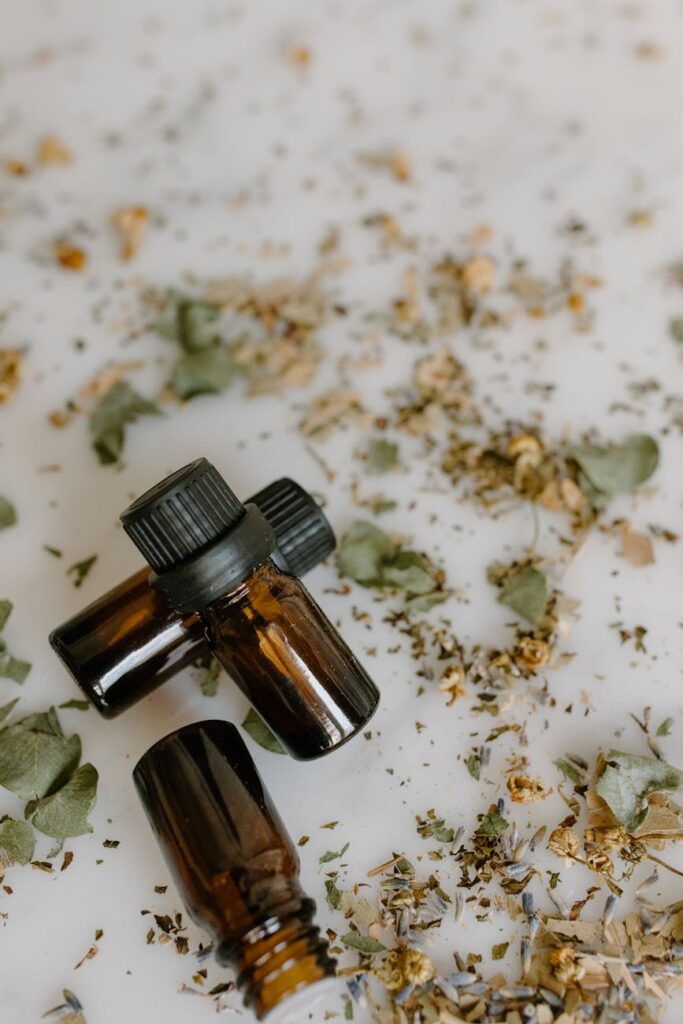
- Storage Conditions: Store essential oils in a cool, dark place, away from direct sunlight and heat. Amber or cobalt glass bottles are ideal for protecting oils from light degradation.
- Shelf Life: The shelf life of essential oils varies depending on the type of oil. Most essential oils have a shelf life ranging from 1 to 3 years, while some, like citrus oils, may have a shorter shelf life due to their high volatility.
The essential oils extracted from these trees can be employed in various forms, including inhalation, topical application, and diffusion, making them versatile tools in aromatherapy.
Key Benefits and Properties
Medicinal trees offer a variety of health benefits, primarily due to the unique chemical compositions of their essential oils. Some key properties include:
Common Uses
The uses of medicinal trees extend beyond aromatherapy. In traditional practices, they have been employed for various purposes, including:
Aromatherapy Applications
In aromatherapy, the essential oils extracted from medicinal trees can be applied in various ways:
1. Diffusion
Diffusing essential oils is one of the most popular methods of aromatherapy. By adding a few drops of tree-derived oils to a diffuser, the aromatic molecules disperse into the air, creating a calming environment. Eucalyptus and cedarwood oils are often chosen for their soothing and grounding effects.
2. Inhalation
Inhalation is a direct method for experiencing the benefits of essential oils. A few drops can be added to a cotton ball or inhaler, allowing for quick access to the therapeutic properties of the oil. This method is particularly effective for respiratory support with eucalyptus oil.
3. Topical Application
Essential oils can be applied topically when diluted with a carrier oil, such as jojoba or coconut oil. This method is useful for localized benefits, particularly with oils like tea tree for skin issues or frankincense for its anti-inflammatory properties.
4. Bathing
Adding essential oils to bathwater can create a luxurious and therapeutic experience. Cedarwood and sandalwood oils can enhance relaxation and promote a sense of well-being during a calming soak.
5. Massage
Incorporating tree oils into massage blends can enhance the experience by providing both physical relief and aromatic benefits. The calming scent of cedarwood and the anti-inflammatory properties of frankincense make them excellent choices for massage oils.
Safety Considerations
While essential oils from medicinal trees can offer numerous benefits, it is essential to use them safely:
Storage and Shelf Life
Proper storage of essential oils is crucial to maintain their quality and potency:
Regularly check for changes in scent, color, or consistency, which may indicate that the oil has degraded and may no longer be suitable for use.
Frequently Asked Questions
1. Can I use essential oils from medicinal trees for cooking or ingestion?
Essential oils are highly concentrated and should not be ingested unless specifically labeled as safe for consumption. Always consult a qualified professional before considering internal use.
2. Are there any contraindications for using essential oils from medicinal trees?
Some essential oils may interact with medications or have contraindications for certain health conditions. Always consult a healthcare professional if you have concerns or specific health issues.
3. How do I choose the right essential oil for my needs?
Consider the properties and benefits of each oil. For example, if you are looking for relaxation, cedarwood or sandalwood may be ideal, while eucalyptus is suited for respiratory support.
4. Can I mix different essential oils from medicinal trees?
Yes, blending essential oils can create synergistic effects. However, it is essential to research compatibility and proper dilution ratios for safe and effective use.
5. How can I incorporate essential oils into my daily routine?
You can incorporate essential oils into your daily routine through diffusion, topical applications, baths, or even in homemade cleaning products.
Conclusion
Medicinal trees offer a treasure trove of benefits through their essential oils, enriching the practice of aromatherapy with their diverse properties and applications. By understanding their uses, benefits, and safety considerations, individuals can harness the power of these natural resources to enhance their well-being. As always, it is crucial to approach aromatherapy with respect and knowledge to fully appreciate the gifts that these remarkable trees provide.