
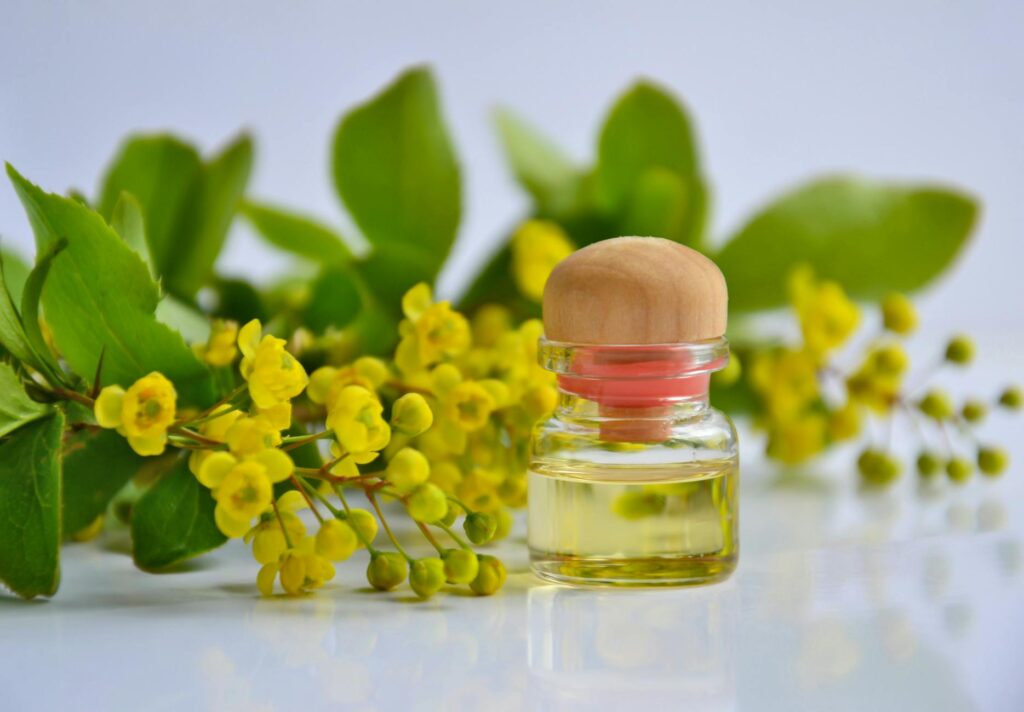
Aromatherapy Uses of Mint Hydrosols
Introduction
Aromatherapy, a holistic healing practice that utilizes plant extracts, holds a significant place in natural wellness. Among the myriad of plant-based products, hydrosols have garnered attention for their gentle and versatile applications. Mint hydrosols, in particular, are celebrated for their refreshing aromatic qualities and beneficial properties. This article delves into the nature, benefits, and applications of mint hydrosols in aromatherapy, as well as important safety considerations.
What Is Mint Hydrosols?
Mint hydrosols are aromatic waters produced during the distillation process of mint plants, primarily Mentha piperita (peppermint) and Mentha spicata (spearmint). The distillation process separates essential oils from plant material, resulting in two products: the essential oil and the hydrosol. While essential oils are highly concentrated and potent, hydrosols are milder, making them suitable for a variety of applications, including skincare, culinary uses, and aromatherapy.
Hydrosols contain the water-soluble components of the plant and retain the essence of the mint aroma, albeit in a less concentrated form. They are typically clear liquids with a light fragrance, offering a gentler alternative to essential oils, especially for individuals sensitive to strong scents.
Key Benefits and Properties
Mint hydrosols are known for their refreshing and invigorating aroma, but their benefits extend beyond mere fragrance. Some key properties include:
- Cooling Effect: The menthol content in mint contributes to a cooling sensation, making it an excellent choice for hot weather or when a refreshing boost is needed.
- Digestive Support: Traditionally, mint has been associated with digestive wellness, and hydrosols may carry similar properties, promoting a sense of comfort.
- Mood Enhancement: The uplifting scent of mint can help alleviate feelings of fatigue and promote clarity, making it beneficial for mental well-being.
- Antimicrobial Properties: Mint hydrosols may exhibit mild antimicrobial effects, which can contribute to maintaining hygiene in various applications.
- Skin Soothing: The gentle nature of hydrosols makes them suitable for soothing skin irritations and providing a refreshing tonic for the skin.
- Skin Sensitivity: Although hydrosols are milder than essential oils, it is advisable to perform a patch test on a small area of skin before widespread use, especially for those with sensitive skin.
- Pregnancy and Nursing: Pregnant or nursing individuals should exercise caution and consult with a healthcare professional before using hydrosols, particularly in large quantities.
- Allergies: Individuals with a known allergy to mint or related plants should avoid using mint hydrosols.
- Storage: Proper storage is essential to maintain the integrity of the hydrosol. Keep it in a cool, dark place, away from direct sunlight and heat.
- Keep Refrigerated: Storing mint hydrosols in the refrigerator can prolong their shelf life and maintain their aromatic properties.
- Use Dark Glass Bottles: When purchasing or transferring mint hydrosols, opt for dark glass bottles that protect the contents from light exposure.
- Seal Tightly: Ensure that the lid is securely closed to prevent contamination and evaporation.
Common Uses
Mint hydrosols can be employed in a variety of ways, including:
1. Facial Toner: The cooling and soothing properties of mint hydrosols make them an excellent choice for facial toners, helping to refresh and balance the skin.
2. Room Spray: A few spritzes of mint hydrosol can invigorate indoor spaces, offering a refreshing scent that can uplift the atmosphere.
3. Culinary Applications: In some cultures, mint hydrosols are used in culinary dishes and beverages to impart a refreshing flavor.
4. Bath Additive: Adding mint hydrosol to bathwater can create a relaxing and rejuvenating experience, enhancing the overall bathing ritual.
5. Hair Care: Mint hydrosols can be used as a hair rinse or added to hair care products for their invigorating properties and pleasant scent.
Aromatherapy Applications
In aromatherapy, mint hydrosols can be utilized in various ways to enhance well-being:
1. Inhalation
Inhalation is one of the simplest methods of incorporating mint hydrosols into aromatherapy. By filling a bowl with hot water and adding a few drops of mint hydrosol, individuals can inhale the steam to experience the invigorating aroma and potential mood-lifting effects. Alternatively, a personal inhaler can be filled with mint hydrosol for on-the-go use.
2. Diffusion
Using a diffuser is another effective way to disperse the aroma of mint hydrosols throughout a space. A few tablespoons of mint hydrosol can be mixed with water in a diffuser, creating a refreshing and uplifting environment. This method is particularly beneficial in workspaces to enhance focus and productivity.
3. Massage
Mint hydrosols can be incorporated into massage oils or used on their own for a refreshing massage experience. When combined with a carrier oil, they can help soothe sore muscles and promote relaxation.
4. Skin Care Blends
Mint hydrosols can be blended with other hydrosols or essential oils to create customized skincare products. Their soothing properties make them ideal for use in facial sprays, moisturizers, or after-sun care.
5. Meditation and Mindfulness Practices
The refreshing scent of mint can enhance meditation and mindfulness practices. Incorporating mint hydrosols into a calming environment can help clear the mind and promote focus.
Safety Considerations
While mint hydrosols are generally safe for most individuals, there are some important safety considerations to keep in mind:
Storage and Shelf Life
Mint hydrosols typically have a shelf life of 1 to 3 years, depending on storage conditions. To ensure longevity:
Regularly check for any changes in color, scent, or cloudiness, as these may indicate degradation.
Frequently Asked Questions
1. What is the difference between mint hydrosols and mint essential oils?
Mint hydrosols are the byproduct of the distillation process and contain water-soluble components of the mint plant, while mint essential oils are highly concentrated extracts containing volatile compounds. Hydrosols are milder and safer for direct application on the skin and in food.
2. Can I use mint hydrosols in cooking?
Yes, mint hydrosols can be used as flavoring agents in culinary applications. However, it is recommended to use them sparingly, as their flavor can be intense.
3. Are there any contraindications for using mint hydrosols?
Individuals with allergies to mint or those who are pregnant or nursing should consult a healthcare professional before using mint hydrosols.
4. Can mint hydrosols be used in children’s products?
Mint hydrosols can be used for children, but it is essential to dilute them appropriately and consult with a healthcare professional to ensure safety.
5. How can I incorporate mint hydrosols into my daily routine?
Mint hydrosols can be used as facial toners, room sprays, bath additives, or even in hair care routines. Experimenting with different applications can help you discover what works best for your needs.
Conclusion
Mint hydrosols offer a plethora of benefits and versatile applications in aromatherapy and everyday life. Their refreshing aroma and soothing properties make them valuable additions to holistic wellness practices. By understanding their uses, benefits, and safety considerations, individuals can effectively incorporate mint hydrosols into their routines, enhancing both physical and emotional well-being naturally.