
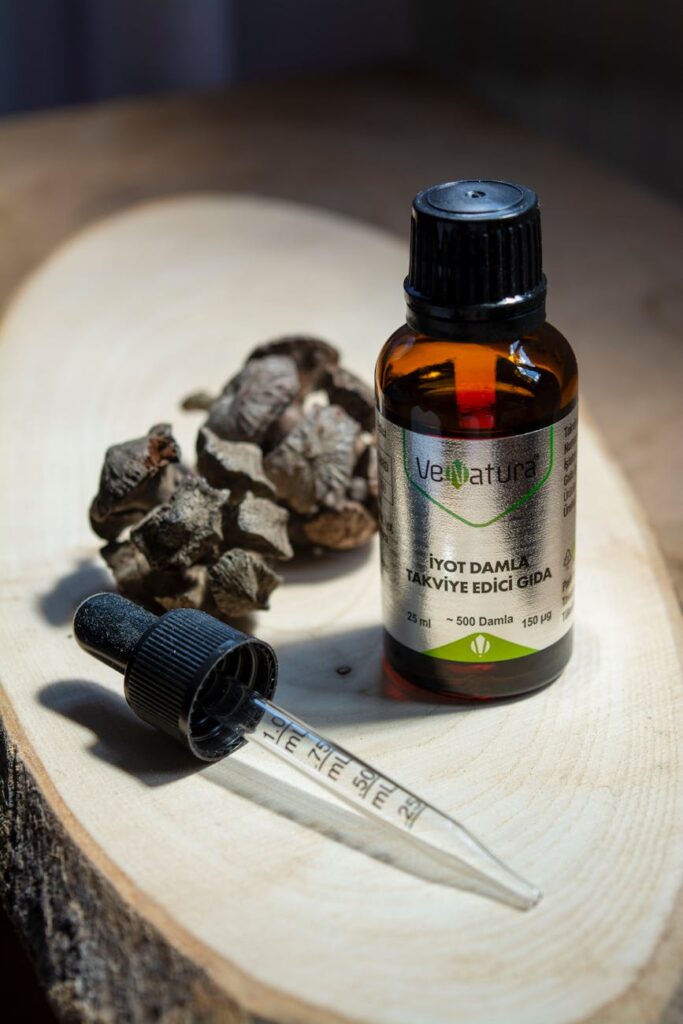
Aromatherapy Uses of Mistletoe Extract
Introduction
Aromatherapy, a holistic healing practice that utilizes essential oils and plant extracts, has gained popularity in recent years. Among the myriad of botanicals used in this practice, mistletoe extract stands out for its unique properties and rich historical significance. This article explores the various aspects of mistletoe extract, including its composition, benefits, common uses, and applications in aromatherapy.
What Is Mistletoe Extract?
Mistletoe is a semi-parasitic plant belonging to the family Santalaceae. It can be found in various species around the world, with European mistletoe (Viscum album) and American mistletoe (Phoradendron serotinum) being the most recognized. Mistletoe extracts are derived from the leaves, stems, and berries of these plants, typically through processes such as steam distillation or solvent extraction.
Mistletoe is often associated with ancient traditions and folklore, particularly during the winter holidays. Its use in traditional medicine dates back centuries, where it has been employed in various cultures for its purported health benefits. In aromatherapy, the extract is valued for its aromatic properties and potential therapeutic effects.
Key Benefits and Properties
Mistletoe extract is rich in bioactive compounds, including flavonoids, alkaloids, and viscotoxin. These components contribute to its diverse range of properties, which may include:
1. Calming Effects: The aroma of mistletoe is often described as soothing, making it beneficial for promoting relaxation and reducing stress.
2. Antioxidant Properties: Some studies suggest that the extract may possess antioxidant qualities, helping to neutralize free radicals and support overall well-being.
3. Anti-inflammatory Effects: Mistletoe has been traditionally used to address inflammation, although further research is needed to substantiate these claims.
4. Immune Support: The extract is sometimes believed to support immune health, although it is essential to approach this claim with caution.
5. Mood Enhancement: The aromatic profile of mistletoe may aid in enhancing mood and grounding emotions.
Common Uses
Mistletoe extract has various applications beyond aromatherapy, including:
- Herbal Medicine: Traditionally used in herbal remedies, particularly in European folk medicine, to address various ailments.
- Cosmetics: Its potential antioxidant and anti-inflammatory properties make it a popular ingredient in skincare formulations.
- Culinary: In some cultures, mistletoe is used as a culinary herb, although caution should be exercised, as not all parts of the plant are edible.
- Decorative: Mistletoe remains a popular holiday decoration, symbolizing peace and goodwill.
- Dilution: Always dilute mistletoe extract with a carrier oil before topical application to avoid skin irritation.
- Allergic Reactions: Conduct a patch test prior to widespread use to ensure there are no allergic reactions.
- Pregnancy and Nursing: Pregnant or nursing individuals should consult with a healthcare professional before using mistletoe extract.
- Children: Use caution when applying essential oils around children, as their skin may be more sensitive.
- Toxicity: Some parts of the mistletoe plant, particularly the berries, can be toxic if ingested. It is crucial to use only extracts designed for safe use in aromatherapy.
- Storage Conditions: Keep the extract in a cool, dark place away from direct sunlight to prevent degradation of its aromatic and therapeutic properties.
- Container: Store in a dark glass bottle to minimize light exposure and preserve quality.
- Shelf Life: Generally, mistletoe extract can last for 1 to 3 years, depending on storage conditions. Always check for any changes in aroma or consistency before use.
Aromatherapy Applications
In aromatherapy, mistletoe extract can be used in several ways:
Diffusion
One of the most common applications is through diffusion. When mistletoe extract is added to a diffuser, its calming aroma fills the space, promoting a tranquil environment. This is particularly beneficial during periods of stress or anxiety.
Massage
Diluting mistletoe extract with a carrier oil (such as jojoba or sweet almond oil) allows for its incorporation into massage therapy. The soothing aroma can enhance the relaxation experience, while the potential anti-inflammatory properties may provide additional benefits to sore muscles.
Bathing
Adding a few drops of mistletoe extract to a warm bath can create a calming atmosphere, helping to alleviate stress and promote relaxation. Combine with other essential oils like lavender or chamomile for a synergistic effect.
Inhalation
For direct inhalation benefits, a few drops of mistletoe extract can be placed on a tissue or cotton ball. Inhaling the aroma may help ground emotions and promote a sense of well-being.
Blending
Mistletoe extract can be blended with other essential oils to create unique aromatic profiles. Pairing it with oils such as cedarwood, frankincense, or bergamot can enhance its calming effects while adding complexity to the scent.
Safety Considerations
While mistletoe extract is generally considered safe for aromatherapy applications, certain precautions should be taken:
Storage and Shelf Life
To maintain the integrity of mistletoe extract, proper storage practices are essential:
Frequently Asked Questions
Is mistletoe extract safe for everyone?
While generally safe for aromatherapy applications, it is essential to consult a healthcare professional if you are pregnant, nursing, or have specific health concerns.
Can I ingest mistletoe extract?
Ingesting mistletoe extract is not recommended unless under the guidance of a qualified healthcare professional. Some parts of the plant can be toxic.
How can I incorporate mistletoe extract into my daily routine?
You can diffuse it, add it to massage oils, or incorporate it into your bathing routine for a calming experience.
Are there any other essential oils that complement mistletoe extract?
Yes, oils like lavender, cedarwood, and frankincense blend well with mistletoe extract, enhancing its calming and grounding properties.
Can mistletoe extract help with anxiety?
While some users report that the calming aroma aids in reducing stress and anxiety, it is important to note that individual responses may vary. Always consult a professional if you have concerns about anxiety management.
Conclusion
Mistletoe extract, with its historical significance and aromatic appeal, offers a unique addition to the world of aromatherapy. Its potential calming and grounding effects make it a valuable tool for promoting relaxation and enhancing well-being. As with any botanical extract, it is essential to use mistletoe safely and responsibly, respecting its properties and the traditions surrounding its use. Whether diffused, blended, or used in massage, mistletoe extract can provide a delightful and enriching aromatic experience.