
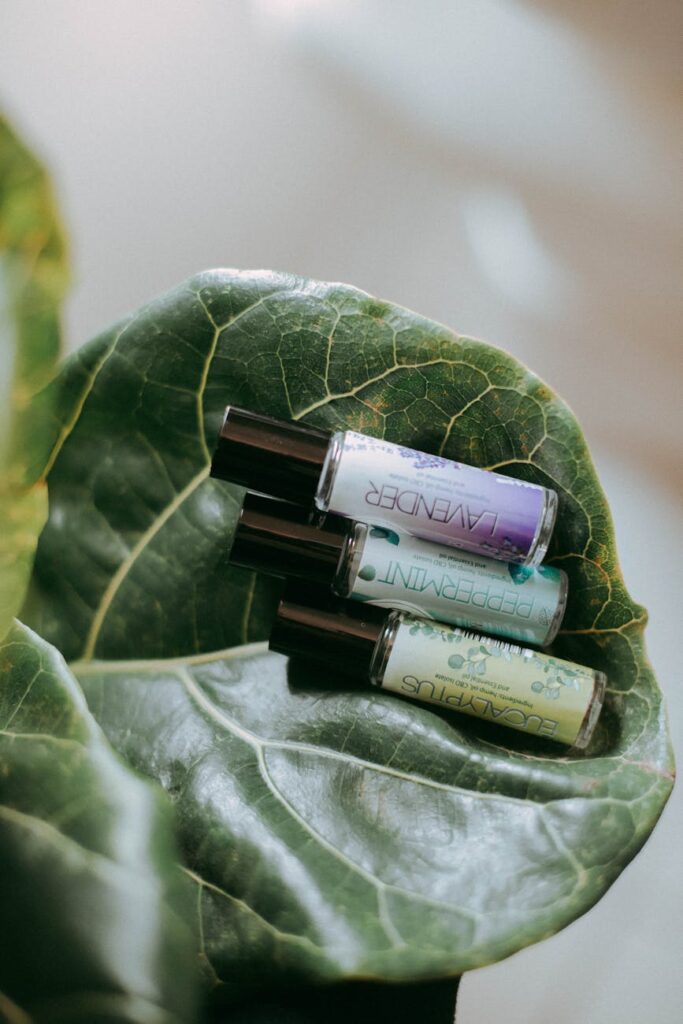
Aromatherapy Uses of Mood Enhancing Blends
Introduction
Aromatherapy, a holistic practice that utilizes essential oils derived from plants, has gained significant popularity for its potential to enhance emotional well-being. Among the myriad of blends available, mood-enhancing formulations are particularly sought after for their capacity to evoke positive emotional states and alleviate stress. This article delves into the world of mood-enhancing blends, explaining their components, benefits, applications, and more.
What Is Mood Enhancing Blends?
Mood-enhancing blends are specific combinations of essential oils designed to uplift, energize, or stabilize emotions. These blends often include oils that are known for their calming, invigorating, or balancing properties. For example, oils such as lavender, bergamot, and ylang-ylang are commonly used due to their ability to influence mood positively.
Blending is an essential aspect of creating effective mood-enhancing formulations. By combining various essential oils, practitioners can tailor the scents to achieve desired emotional outcomes. The synergy of different oils can amplify their individual effects, resulting in a more holistic approach to emotional wellness.
Key Benefits and Properties
The primary benefits of mood-enhancing blends can be categorized into several key areas:
1. Stress Reduction: Many essential oils, such as chamomile and frankincense, possess properties that can help reduce stress and anxiety levels.
2. Mood Elevation: Oils like sweet orange and peppermint are known for their uplifting qualities, promoting feelings of joy and positivity.
3. Emotional Balance: Blends that include oils like geranium and patchouli can assist in stabilizing emotions and fostering a sense of calm.
4. Enhanced Focus and Clarity: Certain oils, such as rosemary and lemon, can improve concentration and clarity of thought, making them useful for those experiencing mental fatigue.
5. Support for Emotional Release: Oils like rose and jasmine can facilitate emotional release and healing, encouraging individuals to confront and process feelings.
Common Uses
Mood-enhancing blends can be employed in various situations and settings, including:
- Home Environment: Diffusing mood-enhancing oils in living spaces can promote a calming or uplifting atmosphere.
- Workplace: Using these blends can help alleviate stress and improve productivity.
- Personal Care: Incorporating mood-enhancing oils into lotions, bath products, or massage oils can enhance self-care routines.
- Meditation and Yoga: Using these blends during mindfulness practices can deepen relaxation and emotional awareness.
- Travel: Aromatherapy inhalers or roll-ons can provide comfort during stressful travel experiences.
- Dilution: Always dilute essential oils with a carrier oil before applying them to the skin to minimize the risk of irritation.
- Patch Testing: Conduct a patch test on a small area of skin to check for any adverse reactions before widespread use.
- Pregnancy and Nursing: Certain essential oils may not be suitable for pregnant or nursing individuals. It is advisable to consult with a knowledgeable practitioner if you are in these circumstances.
- Medical Conditions: Individuals with specific medical conditions or those taking medications should exercise caution and consult a healthcare professional knowledgeable in aromatherapy.
- Children and Pets: Some essential oils may not be safe for use around children or pets. Always research the safety of specific oils before use.
- Dark Glass Bottles: These protect the oils from light, which can degrade their quality.
- Cool, Dry Places: Heat and humidity can also impact the integrity of essential oils. A cool, dark cabinet is ideal.
- Tightly Sealed Containers: Exposure to air can lead to oxidation, which diminishes the oil’s benefits.
Aromatherapy Applications
There are several methods for applying mood-enhancing blends in aromatherapy:
1. Diffusion
Using an essential oil diffuser is one of the most popular methods for dispersing essential oils into the air. This method allows for a gentle, continuous release of fragrance, creating an ambient environment conducive to mood enhancement.
2. Inhalation
Inhalation involves taking direct breaths of essential oil blends from a bottle or inhaler. This method delivers the aroma directly to the olfactory system, which can trigger emotional responses almost immediately.
3. Topical Application
Applying diluted essential oil blends to the skin can provide localized benefits. Common areas for application include the wrists, neck, and temples. Always ensure that essential oils are properly diluted in a carrier oil before topical use.
4. Bathing
Adding mood-enhancing blends to a warm bath can create a sensory experience that promotes relaxation and emotional release. The warmth of the water combined with the aromatic oils can be particularly soothing.
5. Massage
Incorporating mood-enhancing oils into massage therapy can enhance both physical and emotional well-being, allowing for deeper relaxation and emotional release through touch.
Safety Considerations
While essential oils are generally safe when used appropriately, it is essential to observe certain precautions:
Storage and Shelf Life
Proper storage is key to maintaining the efficacy of essential oils. Essential oils should be stored in:
The shelf life of essential oils varies depending on the type, but most oils can last anywhere from 1 to 3 years. Citrus oils may have a shorter shelf life, while oils like sandalwood or patchouli can last longer.
Frequently Asked Questions
1. What are the most common essential oils used in mood-enhancing blends?
Common essential oils include lavender, bergamot, sweet orange, ylang-ylang, and frankincense. Each oil has unique properties that can influence mood positively.
2. How do I create my own mood-enhancing blend?
To create a mood-enhancing blend, select 2-5 essential oils that resonate with your emotional needs. Combine them in a carrier oil or diffuser and adjust the ratios to achieve your desired scent profile.
3. Can mood-enhancing blends be used in combination with other therapies?
Yes, mood-enhancing blends can complement other therapies, such as psychotherapy or physical therapy. However, it’s essential to consult with professionals to ensure a cohesive approach.
4. How often should I use mood-enhancing blends?
The frequency of use depends on individual preferences and needs. Some may find daily use beneficial, while others may prefer occasional use.
5. Are there any essential oils to avoid?
Certain oils may not be appropriate for everyone. For example, oils like sage and rosemary should be used cautiously around pregnant individuals. Always research and consider personal sensitivities.
Conclusion
Mood-enhancing blends offer a versatile and beneficial approach to emotional wellness through the art of aromatherapy. With their potential to uplift, balance, and soothe, these blends can be integrated into various aspects of daily life. By understanding their properties, applications, and safety precautions, individuals can harness the power of essential oils to enrich their emotional landscapes. As with any holistic practice, personal exploration and knowledge will guide the most effective and enjoyable use of these aromatic treasures.