
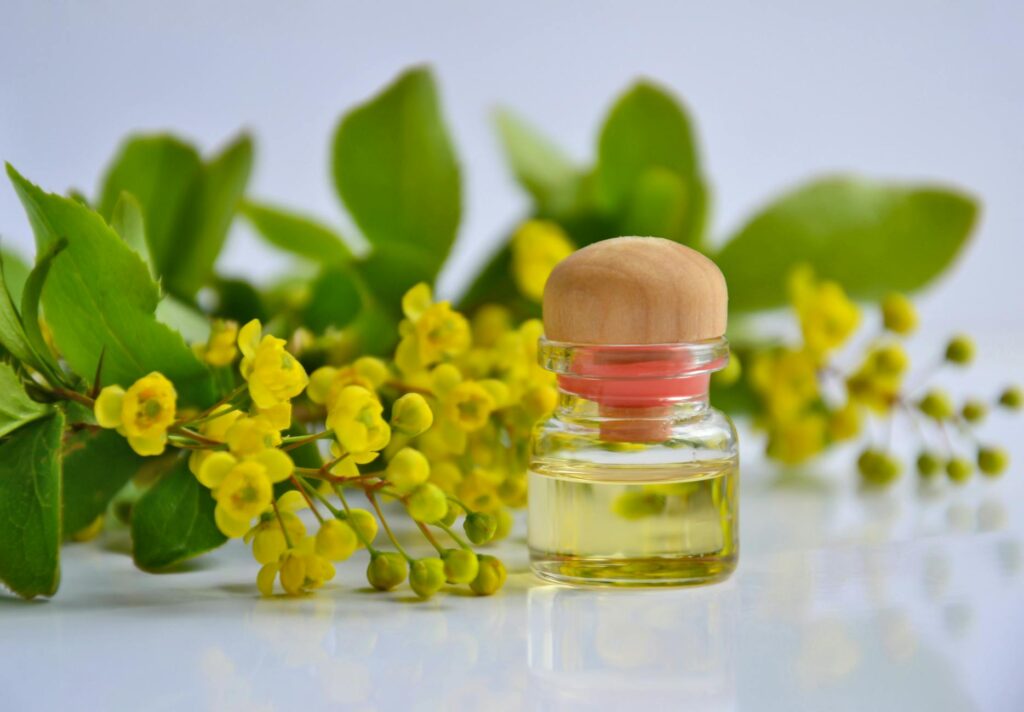
Aromatherapy Uses of Mugwort Extract
Introduction
Mugwort, scientifically known as Artemisia vulgaris, is a perennial herb belonging to the Asteraceae family. Traditionally used in various cultures for its medicinal properties, mugwort has gained popularity in modern aromatherapy for its unique aromatic profile and potential benefits. This article delves into the nature of mugwort extract, its key benefits, common uses, and its applications in aromatherapy, providing a comprehensive understanding of this intriguing botanical.
What Is Mugwort Extract?
Mugwort extract is derived from the leaves and flowering tops of the mugwort plant. The extraction process often involves steam distillation, which captures the essential oils and volatile compounds responsible for its distinctive aroma and therapeutic properties. The extract can also be obtained through cold pressing or solvent extraction, depending on the desired application.
Mugwort has a long history of use in various cultures, including Chinese, Native American, and European traditions. It is often associated with rituals, dream work, and culinary applications, reflecting its versatility and rich heritage.
Key Benefits and Properties
Mugwort extract contains a variety of constituents that contribute to its aromatic and therapeutic properties. Some of the key components include:
- Thujone: Known for its stimulating effects, thujone is a compound found in mugwort that can enhance mental clarity and focus.
- Camphor: This compound has a cooling effect and is often associated with respiratory benefits.
- Cineole: Known for its fresh, eucalyptus-like aroma, cineole is often linked to respiratory support and has anti-inflammatory properties.
- Flavonoids and Phenolic Acids: These antioxidants contribute to mugwort’s overall health benefits, supporting the body’s natural defenses.
- Culinary Uses: In some cultures, mugwort is used as a flavoring agent in dishes or beverages, such as in the traditional Korean drink, ssukcha.
- Traditional Medicine: Historically, mugwort has been utilized for digestive issues, menstrual support, and as a sleep aid.
- Dream Enhancement: Many cultures have used mugwort to promote vivid dreams and enhance dream recall, often incorporating it into pillows or teas.
- Allergic Reactions: Some individuals may experience allergic reactions to mugwort. It is advisable to perform a patch test before using it topically.
- Pregnancy and Breastfeeding: Pregnant or breastfeeding women should consult a healthcare provider before using mugwort extract, as it may not be suitable for everyone.
- Interaction with Medications: Mugwort may interact with certain medications, particularly those affecting the central nervous system. It is crucial to consult a healthcare professional if you are on any medications.
- Dosage: As with any essential oil or extract, moderation is key. Overuse can lead to unwanted side effects, including headaches or gastrointestinal discomfort.
- Keep in Dark Containers: Light can degrade essential oils; therefore, it is best to store mugwort extract in dark glass bottles.
- Store in a Cool Place: Heat can also affect the integrity of the extract. A cool, dark cupboard is ideal.
- Avoid Moisture: Ensure the cap is tightly sealed and store the bottle away from moisture to prevent contamination.
The combination of these compounds results in a complex aroma that is earthy, herbal, and slightly sweet, making mugwort extract a valuable addition to aromatherapy.
Common Uses
Mugwort extract has a variety of applications beyond aromatherapy, including:
While these uses highlight mugwort’s versatility, the focus of this article remains on its applications within the realm of aromatherapy.
Aromatherapy Applications
In aromatherapy, mugwort extract is primarily used for its calming and grounding effects. Here are some common applications:
1. Diffusion
Mugwort extract can be diffused in essential oil diffusers to create a relaxing atmosphere. The herbaceous aroma may help to promote mental clarity and reduce anxiety, making it a suitable choice for meditation or stress relief.
2. Massage Oils
Mugwort extract can be blended with carrier oils for use in massage. The soothing properties of the oil may help to alleviate tension in the muscles and promote relaxation.
3. Bath Soaks
Adding mugwort extract to bath water can create a serene, spa-like experience. The aromatic properties can enhance relaxation while the warm water soothes the body.
4. Inhalation
Inhaling mugwort extract directly or through steam inhalation can provide a refreshing and uplifting experience. This method is often used to clear the mind and enhance focus.
5. Sleep Aids
Incorporating mugwort extract into pillow sprays or sleep blends may aid in promoting restful sleep. Its calming properties can create a peaceful environment conducive to relaxation and sleep.
6. Dream Work
Given its historical association with dream enhancement, mugwort is often used in aromatherapy for practices aimed at improving dream recall or facilitating lucid dreaming.
Safety Considerations
While mugwort extract has many potential benefits, it is essential to consider safety precautions:
Storage and Shelf Life
To maintain the quality and potency of mugwort extract, proper storage is essential. Here are some tips for optimal storage:
The shelf life of mugwort extract varies, but generally, it can last for one to two years when stored properly. Always check for changes in aroma or appearance, as these may indicate that the extract has degraded.
Frequently Asked Questions
1. Can mugwort extract be used during pregnancy?
It is generally advised that pregnant individuals avoid using mugwort extract due to its potential effects on the uterus. Consulting a healthcare provider is essential for personalized guidance.
2. Is mugwort extract safe for children?
Mugwort extract is not typically recommended for children. Always consult a pediatrician or healthcare provider before introducing any new substances to a child’s routine.
3. How can I incorporate mugwort into my daily routine?
Mugwort can be incorporated in various ways, such as through diffusion, inclusion in bath products, or as part of a meditation practice. Experimenting with different methods can help determine what works best for you.
4. Where can I purchase mugwort extract?
Mugwort extract is available at health food stores, specialty herbal shops, and online retailers. Ensure you purchase from reputable sources to guarantee quality and authenticity.
5. What should I do if I experience an allergic reaction?
If an allergic reaction occurs, discontinue use immediately and consult a healthcare professional for guidance. Symptoms may include redness, itching, or swelling.
Conclusion
Mugwort extract offers a delightful and multifaceted approach to aromatherapy. With its rich history and diverse applications, it serves as an intriguing option for those looking to enhance their well-being through natural means. However, as with any herbal product, it is essential to approach its use with caution and awareness. By understanding its properties, benefits, and safety considerations, individuals can confidently explore the world of mugwort in their aromatherapy practices.