
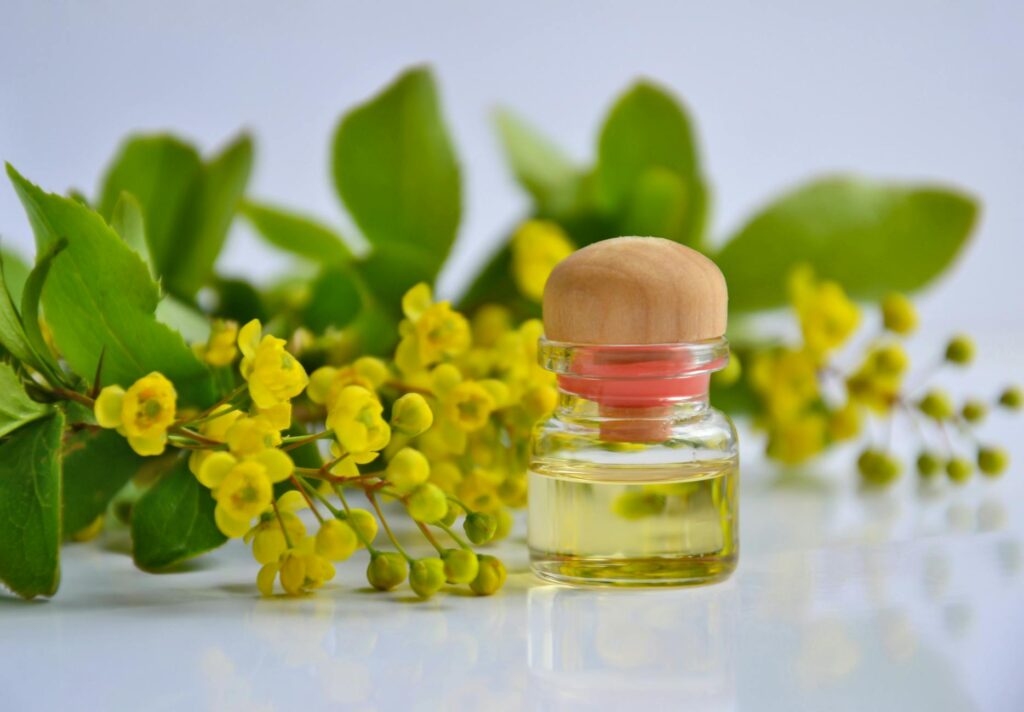
Aromatherapy Uses of Myrrh Oil Safety
Introduction
Myrrh oil, derived from the resin of the Commiphora myrrha tree, has a rich history in traditional medicine, religious rituals, and perfumery. Its warm, earthy aroma is not only cherished for its fragrant qualities but also for its potential therapeutic benefits in aromatherapy. However, as with all essential oils, understanding the safety measures associated with myrrh oil is crucial for its effective and responsible use. This article delves into the safety aspects of myrrh oil, its benefits, common applications, and guidelines for safe use.
What Is Myrrh Oil Safety?
Myrrh oil safety refers to the precautions and considerations taken when using myrrh oil in aromatherapy or other applications to minimize the risk of adverse effects. Essential oils, including myrrh, are highly concentrated substances that can cause skin irritation, allergic reactions, or other complications if not used properly. Understanding how to safely incorporate myrrh oil into your practices ensures both efficacy and well-being.
Key Benefits and Properties
Myrrh oil is renowned for its various properties, which contribute to its popularity in aromatherapy:
1. Antiseptic: Myrrh oil has antibacterial and antifungal properties, making it a valuable addition to products aimed at promoting skin health.
2. Anti-inflammatory: The oil has been noted for its potential to reduce inflammation, which can be beneficial for soothing skin irritations and conditions.
3. Astringent: Myrrh oil can help tighten tissues and may assist in wound healing.
4. Sedative: The calming properties of myrrh oil can promote relaxation and relieve stress, making it useful in aromatherapy practices aimed at mental well-being.
5. Digestive Aid: While typically not the primary use in aromatherapy, myrrh oil is sometimes utilized for its potential digestive benefits.
These properties highlight why myrrh oil is frequently included in blends and products designed for various therapeutic applications.
Common Uses
Myrrh oil finds its way into various products and practices, including:
- Skin Care: Myrrh oil is commonly used in creams and ointments for its potential to promote wound healing and soothe skin issues.
- Respiratory Health: Inhalation of myrrh oil may aid in relieving symptoms of respiratory conditions due to its expectorant properties.
- Massage: Myrrh oil is often included in massage oils, providing both a delightful scent and potential anti-inflammatory benefits.
- Candles and Incense: The rich, earthy aroma makes myrrh a popular choice in scented candles and incense, promoting a calming environment.
- Spiritual Practices: Historically, myrrh has been used in religious ceremonies and rituals for its purifying scent and meditative properties.
- Skin Sensitivity: Some individuals may experience skin irritation or allergic reactions when using myrrh oil. A patch test is recommended before widespread application. Diluting myrrh oil in a carrier oil can help minimize the risk of irritation.
- Pregnancy and Nursing: Pregnant or nursing individuals should consult a healthcare professional before using myrrh oil, as some essential oils may not be safe during these periods.
- Medical Conditions: Those with existing medical conditions, particularly hormone-sensitive conditions, should exercise caution. It is advisable to consult with a healthcare provider before incorporating myrrh oil into a wellness routine.
- Drug Interactions: Myrrh oil may interact with certain medications, particularly anticoagulants and blood thinners. Always consult with a healthcare provider if you are on medication.
- Ingestion: Myrrh oil should not be ingested unless under the guidance of a qualified professional. Internal use can lead to toxicity and other adverse effects.
- Container: Store myrrh oil in a dark glass bottle to protect it from light degradation. Avoid plastic containers, as essential oils can degrade plastic over time.
- Temperature: Keep myrrh oil in a cool, dark place, away from heat sources. Extreme temperatures can alter its chemical composition.
- Shelf Life: Generally, myrrh oil has a shelf life of 2 to 3 years when stored correctly. Always check for changes in color, scent, or viscosity before use, as these may indicate spoilage.
Aromatherapy Applications
In aromatherapy, myrrh oil can be utilized in various ways:
1. Diffusion: Adding a few drops of myrrh oil to a diffuser can fill a room with its soothing aroma, promoting relaxation and reducing stress.
2. Topical Application: When diluted with a carrier oil (such as jojoba or coconut oil), myrrh oil can be applied to the skin. This method is often used for localized relief of inflammation or skin irritation.
3. Inhalation: Inhaling myrrh oil directly from the bottle or from a tissue can provide immediate calming effects, making it beneficial during moments of anxiety or stress.
4. Bathing: Adding myrrh oil to a warm bath can create a serene atmosphere while also providing benefits for the skin.
5. Massage Blends: Myrrh oil can be incorporated into massage oil blends to enhance relaxation and promote skin health.
Safety Considerations
While myrrh oil offers numerous benefits, it is essential to consider the safety aspects associated with its use:
Storage and Shelf Life
Proper storage of myrrh oil is vital to maintain its integrity and effectiveness. Here are some guidelines:
Frequently Asked Questions
1. Can myrrh oil be used for children?
While myrrh oil can be beneficial, it should be used with caution in children. Always dilute it in a carrier oil and consult with a healthcare provider for age-appropriate usage.
2. Is myrrh oil safe for pets?
Myrrh oil should be used cautiously around pets. Many essential oils can be toxic to animals, so consult a veterinarian before using myrrh oil in a home with pets.
3. How can I tell if I have an allergy to myrrh oil?
A patch test is advisable. Apply a diluted drop of myrrh oil to a small area of skin and monitor for any adverse reactions, such as redness or irritation, over 24 hours.
4. Can I mix myrrh oil with other essential oils?
Yes, myrrh oil blends well with several essential oils, including frankincense, lavender, and sandalwood. Experiment with different combinations to find your preferred scents and benefits.
5. What should I do if I experience an adverse reaction to myrrh oil?
If you experience a reaction, discontinue use immediately. For skin irritation, wash the affected area with soap and water. If symptoms persist or worsen, seek medical attention.
Conclusion
Myrrh oil is a multifaceted essential oil that holds significant value in aromatherapy and holistic practices. Its rich aromatic profile and potential therapeutic benefits make it a cherished addition to many wellness routines. However, understanding the safety considerations and proper usage guidelines is paramount to harnessing myrrh oil’s benefits effectively. Always prioritize safety, consult relevant professionals, and enjoy the aromatic journey that myrrh oil has to offer.