
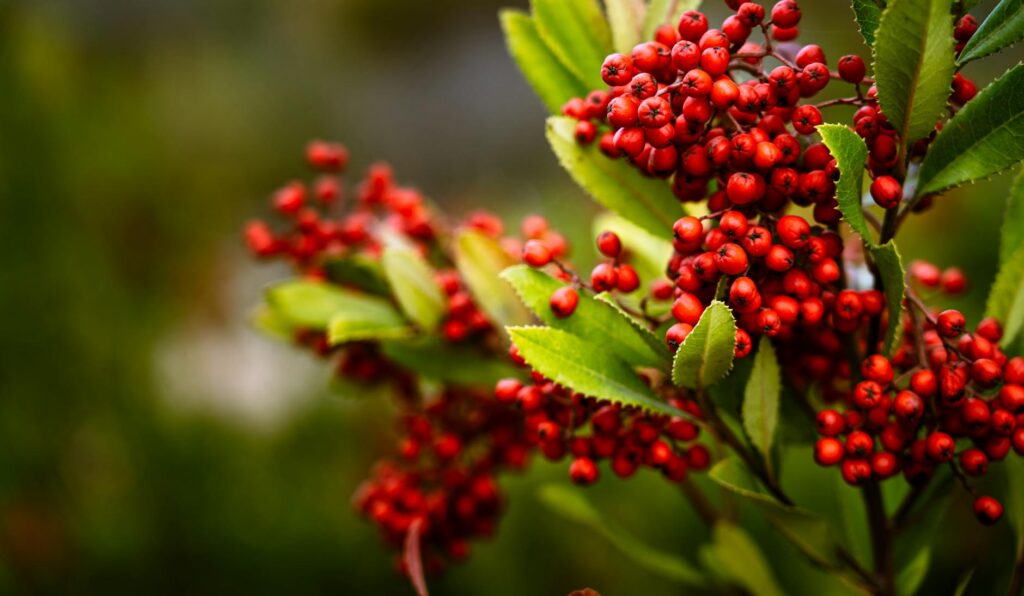
Aromatherapy Uses of Native Edible Berries
Introduction
Aromatherapy, the practice of using essential oils for therapeutic benefits, has gained considerable attention in recent years. While many people associate essential oils with well-known plants such as lavender and eucalyptus, native edible berries have also emerged as valuable contributors to the field. Rich in essential oils and bioactive compounds, these berries not only enhance culinary experiences but also offer potential benefits in aromatherapy applications. This article explores the characteristics, benefits, and uses of native edible berries in aromatherapy.
What Are Native Edible Berries?
Native edible berries are fruits that grow naturally in a specific region and are safe for human consumption. These berries have adapted to their local environments and are often packed with nutrients and aromatic compounds. Examples of native edible berries include:
- Elderberries (Sambucus spp.): These small, dark berries can be found in various regions and are known for their rich antioxidant content.
- Chokecherries (Prunus virginiana): Native to North America, these berries have a tart flavor and are often used in jams and jellies.
- Huckleberries (Vaccinium spp.): Similar to blueberries, these berries are found in many parts of North America and are celebrated for their sweet flavor and high antioxidant levels.
- Serviceberries (Amelanchier spp.): Also known as Juneberries, these fruits are edible and versatile, often used in desserts and preserves.
- Antioxidant Richness: Many native berries contain high levels of antioxidants, which can combat oxidative stress and promote overall health.
- Anti-inflammatory Properties: Certain berries possess anti-inflammatory compounds, making them beneficial for soothing discomfort.
- Mood Enhancers: The aromatic compounds found in these berries can have uplifting effects on mood and emotional well-being.
- Nutritional Value: Native berries are often rich in vitamins, minerals, and fibers, contributing to overall health and vitality.
- Culinary Applications: Berries are often used in jams, jellies, desserts, and smoothies, adding flavor and nutrition to numerous dishes.
- Natural Preservatives: Due to their antioxidant properties, some native berries are used in natural food preservation methods.
- Traditional Remedies: Many indigenous cultures utilized these berries for their natural health benefits, incorporating them into traditional remedies and practices.
- Elderberry Essential Oil: Known for its soothing properties, this oil can be used in diffusers to promote relaxation.
- Chokecherry Infusion: Chokecherries can be infused in carrier oils to create aromatic blends for topical applications.
- Allergic Reactions: Some individuals may experience allergic reactions to specific berries. Always perform a patch test before using a new essential oil or infused oil.
- Dilution: Essential oils should always be diluted in a carrier oil before topical application to avoid skin irritation.
- Consultation: If you have any health conditions or are pregnant, consult with a qualified professional before using essential oils or herbal remedies.
- Cool, Dark Place: Store essential oils in a cool, dark place away from direct sunlight to prevent degradation.
- Tightly Sealed Containers: Use tightly sealed containers to minimize exposure to air and moisture, which can lead to oxidation.
- Shelf Life: The shelf life of essential oils varies, but generally, they should be used within 1-3 years of extraction for optimal benefits.
These berries not only provide culinary delights but also carry aromatic properties that can enhance well-being.
Key Benefits and Properties
Native edible berries are recognized for their unique chemical compositions, which contribute to their aromatic profiles and potential benefits in aromatherapy. Here are some key properties:
These properties make native edible berries not only delightful to consume but also valuable in aromatherapy.
Common Uses
In addition to their aromatic properties, native edible berries have a variety of common uses:
The versatility of native edible berries extends beyond the kitchen, making them valuable in various holistic practices.
Aromatherapy Applications
Aromatherapy applications of native edible berries can be explored through the extraction of essential oils and their use in blends. Here are some ways these berries can be used in aromatherapy:
Essential Oil Extraction
While not all native edible berries are commonly distilled for essential oils, some can yield aromatic extracts:
Diffusion
Using native edible berry essential oils in a diffuser can create a pleasant and uplifting atmosphere. Blends that include berry oils can help enhance moods and provide a sense of tranquility.
Massage Oils
Incorporating berry-infused oils into massage formulations can enhance relaxation and provide a soothing experience. The natural fragrances of these berries can elevate the sensory experience during a massage.
Bath Products
Adding berry-infused oils or extracts to bath products can create a fragrant and rejuvenating bathing experience. The antioxidant properties of these berries may also benefit the skin.
Potpourri and Scented Sachets
Dried native berries can be used in potpourri or sachets, providing a natural aromatic element to living spaces. Their appealing fragrances can help freshen the air and create a calming environment.
Safety Considerations
While native edible berries offer numerous benefits, safety should always be a priority in aromatherapy practices. Here are some considerations:
Storage and Shelf Life
Proper storage of native edible berry essential oils and extracts is essential to maintain their quality and efficacy:
By following these guidelines, you can ensure the longevity and effectiveness of your native edible berry products.
Frequently Asked Questions
Can I use native edible berries in aromatherapy without extracting essential oils?
Yes, you can use dried berries in potpourri, sachets, or infused oils for aromatic benefits. While essential oils provide concentrated aromas, dried berries can still offer delightful fragrances.
Are there any potential side effects associated with using native edible berry oils?
While generally safe, some individuals may experience allergic reactions. Always conduct a patch test and consult with a professional if you have concerns.
How can I incorporate native edible berries into my daily routine?
You can incorporate native edible berries by using them in cooking, creating infused oils for aromatherapy, or utilizing dried berries in potpourri or sachets.
Are there any restrictions on using native edible berries in aromatherapy?
It is crucial to ensure that the berries used are safe for consumption and do not have known toxic properties. Always research and source your materials from reputable suppliers.
Where can I find native edible berry essential oils?
Native edible berry essential oils may be available at specialty health stores, online, or through local herbalists. Ensure that you purchase from reputable sources to guarantee quality.
Conclusion
Native edible berries offer a unique and multifaceted approach to aromatherapy, combining culinary delight with aromatic benefits. With their rich properties and versatile applications, these berries can enhance well-being through various aromatic practices. While exploring their uses, it’s essential to consider safety and proper storage to maximize their benefits. By incorporating native edible berries into your aromatherapy routine, you can enjoy the delightful scents and potential therapeutic effects that these natural wonders have to offer.