
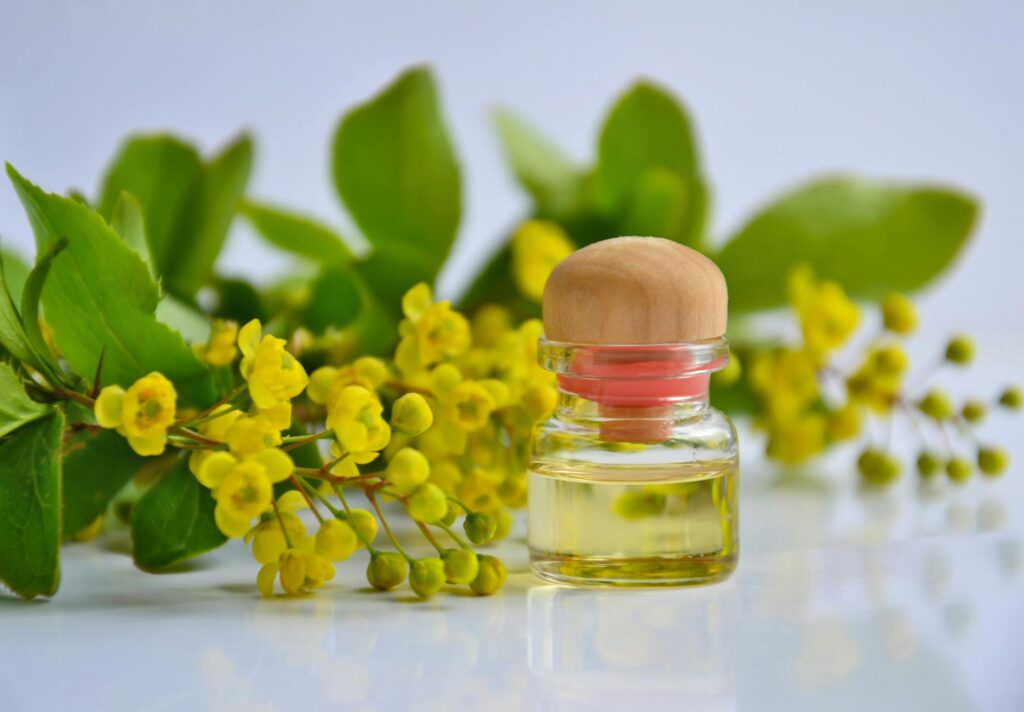
Aromatherapy Uses of Native Edible Fruits
Introduction
Aromatherapy, a holistic healing practice that utilizes essential oils derived from plants to promote physical and emotional well-being, has gained popularity in recent years. Among the diverse sources of essential oils, native edible fruits offer a unique blend of appealing scents and therapeutic properties. This article explores the aromatic potential of these fruits, their benefits, common uses, and applications in aromatherapy.
What Is Native Edible Fruits?
Native edible fruits are those fruits that are indigenous to a particular region and have been consumed by local populations for generations. These fruits often carry rich cultural significance and are adapted to their local ecosystems. Examples include the prickly pear in North America, the feijoa in South America, and the finger lime in Australia. These fruits not only provide nutritional benefits but also yield essential oils that can be harnessed for their aromatic and therapeutic properties.
Key Benefits and Properties
Native edible fruits possess a variety of beneficial properties, which can be attributed to their biochemical composition. Many of these fruits are rich in vitamins, antioxidants, and phytochemicals, contributing to their appeal in both culinary and therapeutic applications.
Nutritional Content
- Vitamins and Minerals: Many native fruits are high in vitamins A, C, and E, essential for maintaining skin health and supporting the immune system.
- Antioxidants: Compounds such as flavonoids and polyphenols found in these fruits can help combat oxidative stress.
- Fiber: Many native fruits are a good source of dietary fiber, promoting digestive health.
- Storage Conditions: Store essential oils in dark, glass bottles to protect them from light and heat. Keep them in a cool, dry place.
- Shelf Life: The shelf life of essential oils can vary significantly. Citrus oils generally have a shorter shelf life (6–12 months), while oils from other fruits may last longer (1–3 years). Always check for changes in scent or consistency.
Aromatic Compounds
The essential oils extracted from these fruits contain various aromatic compounds that contribute to their fragrance and therapeutic properties. Terpenes, esters, and aldehydes are common components that can influence mood and emotional states.
Common Uses
Native edible fruits are versatile and can be used in a variety of ways beyond their culinary applications. Here are some common uses:
1. Culinary Uses: Many native fruits are enjoyed fresh, dried, or processed into jams, jellies, and beverages.
2. Cosmetic Applications: Essential oils from these fruits can be used in skincare products due to their antioxidant and anti-inflammatory properties.
3. Household Cleaning: Some native fruits, like citrus, have antibacterial properties, making their oils suitable for natural cleaning solutions.
Aromatherapy Applications
The essential oils derived from native edible fruits can be employed in various aromatherapy practices. Here are some popular applications:
Diffusion
Using a diffuser is one of the most common methods to disperse essential oils into the air. Native fruit oils, such as grapefruit or orange, can help uplift mood and create an inviting atmosphere.
Topical Application
When diluted with a carrier oil, essential oils from native fruits can be applied to the skin. Citrus oils, for instance, may provide a refreshing scent while promoting a sense of well-being. Always conduct a patch test prior to widespread application.
Inhalation
Inhaling the aroma of essential oils can have immediate effects on mood and emotional states. Inhalation can be performed directly from the bottle or by placing a few drops on a tissue or cotton ball.
Bathing
Adding essential oils from native fruits to bathwater can create a relaxing and aromatic experience. Citrus oils can invigorate, while sweeter fruit oils, like those from berries, might promote relaxation.
Massage
Incorporating essential oils into massage therapy can enhance the experience. Oils from native fruits can be combined with carrier oils for an aromatic and soothing massage.
Safety Considerations
While essential oils derived from native edible fruits are generally considered safe, several precautions should be taken:
1. Dilution: Always dilute essential oils before topical application to prevent skin irritation.
2. Patch Testing: Conduct a patch test to check for allergic reactions or sensitivities.
3. Pregnancy and Nursing: Consult with a qualified professional before using essential oils if pregnant or nursing.
4. Children and Pets: Some essential oils may not be suitable for use around children or pets. Research individual oils for safety guidelines.
5. Sun Sensitivity: Citrus oils can cause photosensitivity. Avoid direct sunlight after applying these oils to the skin.
Storage and Shelf Life
Proper storage of essential oils is crucial to maintain their integrity and effectiveness:
Frequently Asked Questions
Are all native edible fruits suitable for aromatherapy?
Not all native edible fruits yield essential oils that are safe for aromatherapy. It’s essential to research specific fruits and their oil extraction methods before use.
Can I make my own essential oils from native fruits?
While it is possible to create infused oils at home, the process of distilling essential oils requires specialized equipment and knowledge. It is generally recommended to purchase certified essential oils from reputable suppliers.
How can I incorporate native fruit essential oils into my daily routine?
You can use them in diffusers, add them to bathwater, include them in skincare products, or use them in massage oils. Always ensure proper dilution and follow safety guidelines.
Are there any side effects associated with native edible fruit essential oils?
Some individuals may experience allergic reactions or skin sensitivities. It’s crucial to perform patch tests and consult with a professional for specific concerns.
How do I know if an essential oil is pure?
To ensure purity, look for essential oils that are labeled as 100% pure and come from reputable companies. Certifications, such as organic or third-party testing, can also indicate quality.
Conclusion
Native edible fruits offer a wealth of aromatic and therapeutic possibilities in the realm of aromatherapy. Their unique scents, coupled with beneficial properties, make them valuable additions to holistic wellness practices. By understanding their uses, applications, and safety considerations, individuals can thoughtfully incorporate these delightful fragrances into their lives. As with all natural products, informed usage and respect for the plants and their ecosystems are essential for a rewarding aromatherapy experience.