
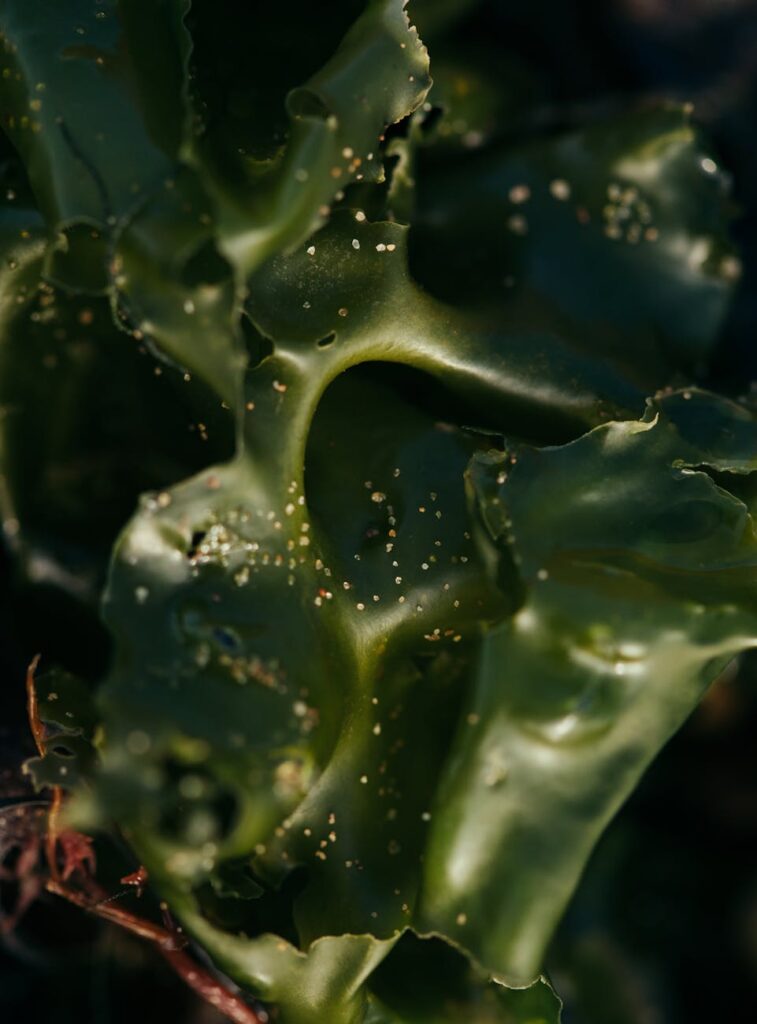
Aromatherapy Uses of Native Edible Seaweeds
Introduction
Aromatherapy is a holistic practice that employs the use of essential oils and aromatic compounds to enhance physical and emotional well-being. While many people are familiar with the aromatic properties of flowers, herbs, and spices, native edible seaweeds offer a unique and often underappreciated dimension to this ancient practice. Seaweeds have been used for centuries in various cultures, not only for their nutritional benefits but also for their aromatic properties. This article explores the uses of native edible seaweeds in aromatherapy, highlighting their benefits, applications, and safety considerations.
What Are Native Edible Seaweeds?
Native edible seaweeds refer to species of marine algae that are found in local coastal waters and are safe for human consumption. These seaweeds are typically categorized into three main types: green, brown, and red algae. Each type possesses distinct characteristics, flavors, and nutritional profiles.
1. Green Algae (Chlorophyta): Common examples include sea lettuce (Ulva lactuca) and dulse (Palmaria palmata). These seaweeds are often characterized by their bright green color and tender texture.
2. Brown Algae (Phaeophyceae): This group includes popular varieties like kelp (Laminaria) and wakame (Undaria pinnatifida). Brown algae are known for their rich umami flavor and are often used in soups, salads, and sushi.
3. Red Algae (Rhodophyta): Examples include nori (Porphyra) and Irish moss (Chondrus crispus), both of which are commonly used in culinary applications and for their gelling properties.
These seaweeds not only serve as culinary delights but also contain essential oils and aromatic compounds that can enhance their effectiveness in aromatherapy.
Key Benefits and Properties
Native edible seaweeds are rich in bioactive compounds, which contribute to their aromatic properties and health benefits. Some of the key components include:
- Vitamins and Minerals: Seaweeds are laden with essential nutrients such as iodine, calcium, magnesium, and various vitamins (A, C, E, K). These nutrients contribute to overall health and well-being.
- Antioxidants: Seaweeds contain antioxidants that help combat oxidative stress and may support skin health.
- Polysaccharides: Compounds like alginate, carrageenan, and agar found in seaweeds are known for their gelling and thickening properties, and can also have soothing effects.
- Essential Oils: Many seaweeds contain essential oils that can impart unique fragrances and therapeutic properties. These oils can evoke feelings of relaxation, balance, or invigoration when used in aromatherapy.
- Culinary Applications: Seaweeds are often used in salads, soups, and as seasonings in Asian cuisines. They add flavor, texture, and nutritional value to dishes.
- Cosmetic Products: Due to their hydrating and nourishing properties, seaweeds are commonly found in skincare products, bath products, and hair treatments.
- Nutritional Supplements: Seaweeds are available in powdered form or as capsules and are popular among those seeking to enrich their diets with natural sources of vitamins and minerals.
- Allergies: Individuals with allergies to shellfish or iodine should exercise caution when using seaweed products, as they may trigger allergic reactions.
- Quality: It’s crucial to source seaweeds from reputable suppliers to ensure they are free from contaminants, such as heavy metals or pollutants.
- Moderation: Although seaweeds are nutrient-rich, excessive consumption can lead to an overload of iodine, which may have adverse effects on thyroid function.
- Consultation: Before incorporating seaweed-based essential oils or products into your routine, especially if pregnant, nursing, or on medication, consult with a healthcare professional.
- Dried Seaweeds: Store in a cool, dark, and dry place, preferably in an airtight container to prevent moisture absorption and degradation.
- Infused Oils: Keep infused oils in a dark glass container and store them in a cool place. They typically have a shelf life of 6 to 12 months, depending on the carrier oil used.
- Essential Oils: Store essential oils in dark glass bottles away from direct sunlight. Most essential oils have a shelf life of 1 to 3 years, but this can vary based on the type and quality of the oil.
Common Uses
Native edible seaweeds have been integrated into culinary practices and traditional medicine across various cultures. Here are some of their common uses:
Aromatherapy Applications
The aromatic properties of native edible seaweeds can be harnessed in various ways within the realm of aromatherapy:
1. Essential Oil Extraction: The essential oils found in certain seaweeds can be extracted and used in diffusers, massage oils, or bath products. These oils often carry unique marine scents that can evoke feelings of tranquility and grounding.
2. Infusions: Seaweeds can be infused into carrier oils such as jojoba or almond oil. These infusions can then be used for massage or added to bath water for a relaxing soak.
3. Aromatic Bath Products: Dried seaweeds can be combined with salts and essential oils to create aromatic bath soaks that promote relaxation and skin nourishment.
4. Potpourri and Sachets: Dried seaweeds can be included in potpourri mixes or sachets, releasing their natural fragrances over time. This can enhance indoor air quality and create a calming atmosphere.
5. Aromatherapy Inhalers: Dried seaweed can be ground into a fine powder and combined with other essential oils in inhalers, providing a unique aromatic experience.
Safety Considerations
While native edible seaweeds are generally safe for consumption and use in aromatherapy, certain precautions should be observed:
Storage and Shelf Life
To maintain the quality of native edible seaweeds and their aromatic properties, proper storage is essential:
Frequently Asked Questions
1. Can I use any type of seaweed for aromatherapy?
Not all seaweeds are suitable for aromatherapy. It is essential to select native edible seaweeds known for their aromatic properties and safety for human use.
2. How can I incorporate seaweed into my aromatherapy practice?
Seaweeds can be used in various forms, such as essential oils, infused oils, or dried products. They can be added to diffusers, bath soaks, or massage oils to enjoy their aromatic benefits.
3. Are there any contraindications for using seaweed in aromatherapy?
Individuals with allergies to iodine or shellfish should be cautious when using seaweed products. It is also advisable to consult with healthcare professionals if you have underlying health conditions or are pregnant.
4. How do I know if the seaweed I purchased is of good quality?
Always purchase seaweed from reputable suppliers who provide information about sourcing and quality control. Look for certifications or lab testing results if available.
5. Can I make my own seaweed-infused oils at home?
Yes, you can create your own seaweed-infused oils by combining dried seaweeds with carrier oils in a sealed container and allowing them to infuse over a few weeks. Ensure that the seaweed is sourced from clean waters and handled properly.
Conclusion
Native edible seaweeds offer a rich tapestry of aromatic and therapeutic possibilities in the realm of aromatherapy. Their unique scents and bioactive compounds can enhance well-being and create a tranquil atmosphere. By understanding their benefits, applications, and safety considerations, individuals can explore the wonderful world of seaweeds in their aromatherapy practices. Embracing these natural treasures can foster a deeper connection with the ocean and promote holistic wellness.