
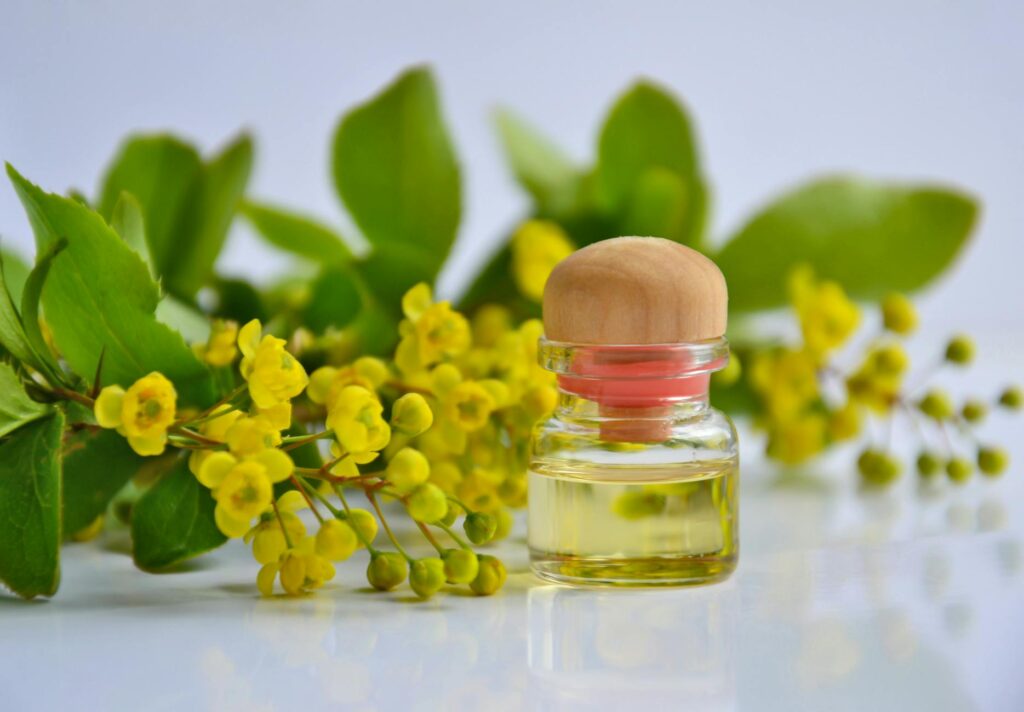
Aromatherapy Uses of Native Medicinal Herbs
Introduction
Aromatherapy, a holistic healing practice that utilizes essential oils extracted from plants, has gained traction worldwide for its therapeutic properties. Among the diverse sources of these essential oils are native medicinal herbs, which have been used for centuries by indigenous cultures. This article explores the uses of these herbs in aromatherapy, focusing on their benefits, applications, and safety considerations.
What Are Native Medicinal Herbs?
Native medicinal herbs refer to plants that are indigenous to a specific region and have been traditionally used for their health benefits. These herbs often possess unique properties that align with the local climate, soil, and ecosystem, making them particularly well-suited for the populations that have historically relied on them. Examples of native medicinal herbs include Echinacea, Lavender, and Sage in North America; Tea Tree and Lemon Myrtle in Australia; and various species of Rosemary and Thyme in Europe.
These herbs contain essential oils that are extracted through various methods, such as steam distillation or cold pressing. The oils encapsulate the plant’s aromatic compounds, which can have various therapeutic effects.
Key Benefits and Properties
Native medicinal herbs offer a plethora of benefits due to their unique chemical compositions. Here are some commonly recognized properties:
1. Antimicrobial: Many native herbs contain compounds that help combat bacteria, viruses, and fungi. For instance, Tea Tree oil is well-known for its antimicrobial properties.
2. Anti-inflammatory: Several herbs possess anti-inflammatory properties, which may help alleviate discomfort and swelling. A prime example is Eucalyptus, often used for respiratory issues.
3. Relaxation and Stress Relief: Aromatic herbs like Lavender and Chamomile are celebrated for their calming effects, making them popular choices for stress relief.
4. Mood Enhancement: Many essential oils, such as Bergamot and Ylang Ylang, are known to uplift mood and promote emotional balance.
5. Digestive Support: Some herbs, like Peppermint, can aid digestion and relieve gastrointestinal discomfort.
Common Uses
The versatility of native medicinal herbs allows them to be utilized in various forms and for numerous applications:
- Essential Oils: The most concentrated form, essential oils are used in diffusers, massage oils, and topical applications.
- Herbal Teas: Many native herbs can be consumed as teas to promote wellness internally.
- Infused Oils: Herbs can be infused in carrier oils, making them suitable for topical applications.
- Tinctures: Alcoholic extracts of herbs are often used for their concentrated medicinal properties.
- Baths and Compresses: Infusing herbs in bathwater or using them in compresses can provide localized relief.
- Lavender: Known for its calming effects, lavender is often used in bedrooms to promote sleep.
- Peppermint: Its invigorating scent can help improve focus and concentration.
- Eucalyptus: Often used in massage oil to relieve muscle tension and respiratory issues.
- Rosemary: Stimulates circulation and can invigorate tired muscles.
- Tea Tree: Commonly used for acne management due to its antimicrobial effects.
- Calendula: Often used in creams and salves for its anti-inflammatory properties.
- Dark Glass Bottles: Store oils in dark glass containers to protect them from light degradation.
- Cool, Dry Place: Keep essential oils in a cool, dry area, away from direct sunlight and heat sources.
- Shelf Life: Essential oils vary in shelf life. Citrus oils may last 1-2 years, while oils like Patchouli can improve with age and last for up to 10 years.
Aromatherapy Applications
Aromatherapy can be applied in various settings, from personal care to holistic wellness practices. Here are some popular applications:
Diffusion
Diffusing essential oils in the air allows for inhalation of their aromatic compounds, which can enhance mood and promote relaxation. Common native herbs for diffusion include:
Massage
Essential oils can be blended with carrier oils for therapeutic massages. Certain herbs are particularly beneficial for this application:
Bathing
Adding essential oils to bathwater can create a relaxing experience. Herbs like Chamomile and Lavender are frequently used for their soothing properties.
Skin Care
Many native herbs possess skin-nourishing properties. For example:
Emotional Well-being
Certain essential oils can be utilized in meditation and mindfulness practices to promote emotional clarity and grounding. Oils such as Frankincense and Sandalwood are often favored for their deep, calming scents.
Safety Considerations
While native medicinal herbs generally offer numerous benefits, it is essential to approach their use with caution. Here are some safety considerations:
1. Dilution: Essential oils are highly concentrated and should be diluted in a carrier oil before topical application to prevent skin irritation.
2. Allergies: Conduct a patch test before using a new essential oil to check for allergic reactions.
3. Pregnancy: Some oils may not be safe during pregnancy. It is advisable to consult a healthcare professional before use.
4. Interactions: Be aware of potential interactions with medications. Always consult a healthcare provider for personalized advice.
5. Quality: Ensure the essential oils are sourced from reputable suppliers to guarantee purity and potency.
Storage and Shelf Life
Proper storage of essential oils is crucial to maintaining their efficacy. Here are some guidelines:
Frequently Asked Questions
1. Can all native medicinal herbs be used in aromatherapy?
Not all native herbs are suitable for aromatherapy. It is essential to research specific herbs and their properties to determine their applicability in this practice.
2. How do I choose the right essential oil for my needs?
Selecting the right essential oil depends on your specific needs and preferences. Consider the therapeutic properties of the oils and the desired outcomes, whether it be relaxation, focus, or skin care.
3. What is the best way to use essential oils?
The best method depends on individual preference. Diffusing, topical application, and inhalation are all effective ways to utilize essential oils.
4. Are there any contraindications for using essential oils?
Yes, certain essential oils may not be suitable for individuals with specific health conditions or for pregnant women. Always consult a healthcare professional if unsure.
5. How can I learn more about native medicinal herbs?
Numerous resources, including books, academic journals, and reputable websites, provide information about native medicinal herbs and their uses. Consider enrolling in workshops or courses focused on herbalism and aromatherapy.
Conclusion
Native medicinal herbs play a vital role in the world of aromatherapy, offering a rich tapestry of therapeutic benefits and applications. By understanding their properties, uses, and safety considerations, individuals can harness the power of these natural resources to enhance their well-being. Whether through diffusing essential oils, creating herbal infusions, or engaging in mindful practices, the aromatic gifts of native herbs can contribute to a holistic approach to health and wellness.