
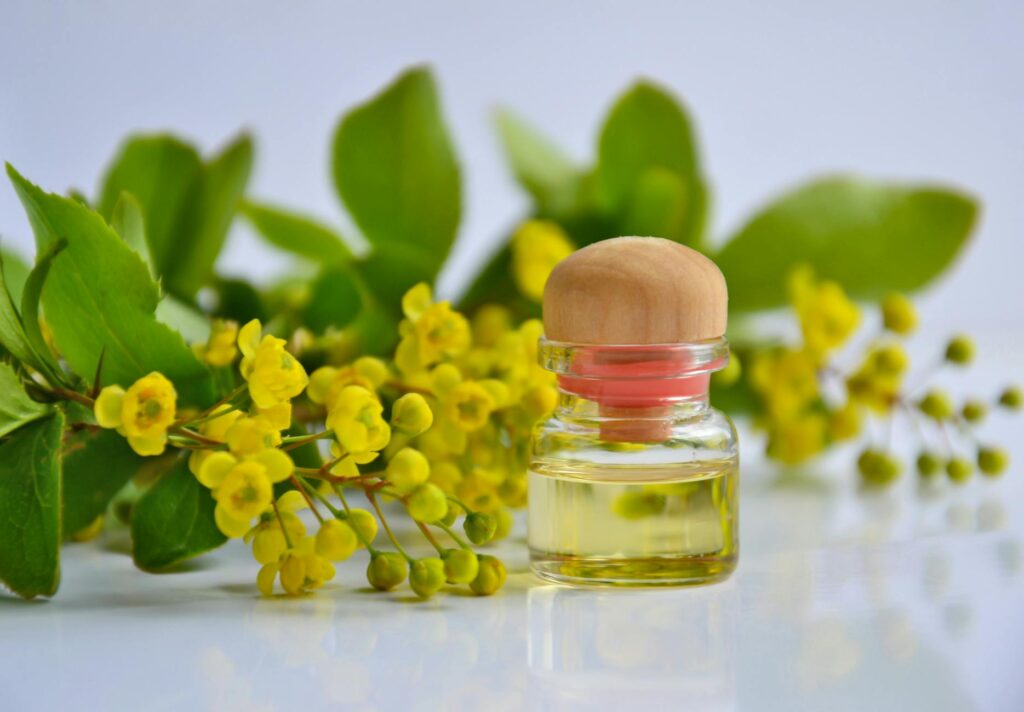
Aromatherapy Uses of Native Medicinal Trees
Introduction
Aromatherapy, a holistic practice utilizing the aromatic properties of essential oils, has gained significant attention for its potential benefits in promoting well-being. Among the sources of these essential oils are native medicinal trees, which often hold a wealth of therapeutic properties. This article explores the uses, benefits, and applications of essential oils derived from these trees, highlighting their importance in aromatherapy.
What Are Native Medicinal Trees?
Native medicinal trees are species indigenous to a specific region and have been utilized by local communities for their healing properties. These trees often possess unique chemical compounds that contribute to their therapeutic effects. Examples include the Tea Tree (Melaleuca alternifolia) native to Australia and the Cedarwood (Cedrus atlantica) found in North Africa and the Middle East. These trees have long been revered not only for their ecological significance but also for their cultural and medicinal roles.
Key Benefits and Properties
Native medicinal trees are celebrated for a multitude of benefits, including:
Antimicrobial Properties
Many essential oils from native trees exhibit antimicrobial properties, making them valuable in combating infections and promoting skin health.
Anti-inflammatory Effects
Certain oils can help reduce inflammation, providing relief from conditions such as arthritis or muscle soreness.
Calming and Sedative Qualities
Essential oils from trees like Cedarwood are known for their calming effects, which can aid in alleviating stress and promoting relaxation.
Respiratory Support
Many native trees contribute to respiratory health through their expectorant properties, making them useful in alleviating symptoms of colds and allergies.
Mood Enhancement
The aromatic compounds in essential oils can influence mood, helping to uplift spirits and create a sense of well-being.
Common Uses
In traditional practices, native medicinal trees have been employed for various purposes, including:
- Skin Care: Oils from trees like Tea Tree are popular for their antiseptic qualities and are often used in skin care products.
- Respiratory Health: Eucalyptus (Eucalyptus globulus), native to Australia, is frequently used in steam inhalation for its decongestant properties.
- Stress Relief: Essential oils from trees such as Frankincense (Boswellia sacra) are often used in meditation and relaxation practices.
- Natural Insect Repellent: Oils derived from certain trees can serve as effective natural repellents against insects.
- Dilution: Always dilute essential oils before topical application to prevent skin irritation.
- Patch Test: Conduct a patch test to check for allergic reactions before widespread use.
- Pregnant or Nursing Women: Consult a healthcare professional before using essential oils.
- Young Children: Some essential oils may not be suitable for children; always verify their safety before use.
- Quality: Use high-quality, pure essential oils from reputable sources to ensure safety and efficacy.
- Keep Away from Light: Store oils in dark glass bottles to protect them from UV exposure.
- Cool and Dry Environment: Essential oils should be kept in a cool, dry place to prevent degradation.
- Shelf Life: While many essential oils have a shelf life of 1-3 years, some may last longer if stored correctly. Signs of spoilage include a change in color, smell, or viscosity.
Aromatherapy Applications
Diffusion
One of the most common ways to use essential oils from native medicinal trees is through diffusion. A diffuser disperses the oil into the air, creating an aromatic environment that can enhance mood and promote relaxation.
Topical Application
Essential oils can be diluted with carrier oils, such as coconut or jojoba oil, for topical application. This method allows for targeted benefits, such as soothing sore muscles or enhancing skin health.
Inhalation
Direct inhalation involves placing a few drops of essential oil on a tissue or in the palms of the hands and inhaling deeply. This method can provide immediate effects, particularly for respiratory support and stress relief.
Bathing
Adding a few drops of essential oil to bathwater can create a soothing and aromatic experience. This method can enhance relaxation and provide skin benefits.
Blending
Creating blends with different essential oils can enhance their properties and offer a more comprehensive aromatherapy experience. For example, combining Cedarwood with Lavender can create a calming and grounding effect.
Safety Considerations
While essential oils from native medicinal trees have numerous benefits, it is essential to consider safety precautions:
Storage and Shelf Life
Proper storage of essential oils is crucial to maintain their potency and effectiveness:
Frequently Asked Questions
1. Can I use essential oils from native medicinal trees for cooking?
While some essential oils are safe for culinary use, many are not. It is crucial to ensure that the oil is food-grade and safe for consumption before using it in cooking.
2. How do I know which essential oil is best for my needs?
Choosing the right essential oil depends on your specific needs and preferences. Research the properties of different oils, and consider consulting with an aromatherapy professional for personalized recommendations.
3. Are there any side effects associated with using essential oils?
While essential oils are generally safe when used correctly, some individuals may experience allergic reactions or skin irritation. Always conduct a patch test and dilute oils appropriately.
4. Can I blend different essential oils?
Yes, blending essential oils can enhance their therapeutic effects. However, it is essential to understand the properties of each oil and how they may interact with one another.
5. Where can I purchase high-quality essential oils?
High-quality essential oils can be found at health food stores, specialty aromatherapy shops, or reputable online retailers. Always choose oils that are pure, organic, and sourced ethically.
Conclusion
The rich tradition of utilizing native medicinal trees in aromatherapy highlights the interconnectedness of nature and holistic health. Their essential oils offer a plethora of benefits, from promoting relaxation to supporting respiratory health. By understanding the properties, uses, and safe application of these oils, individuals can incorporate them into their wellness routines, fostering a deeper connection with the natural world.