
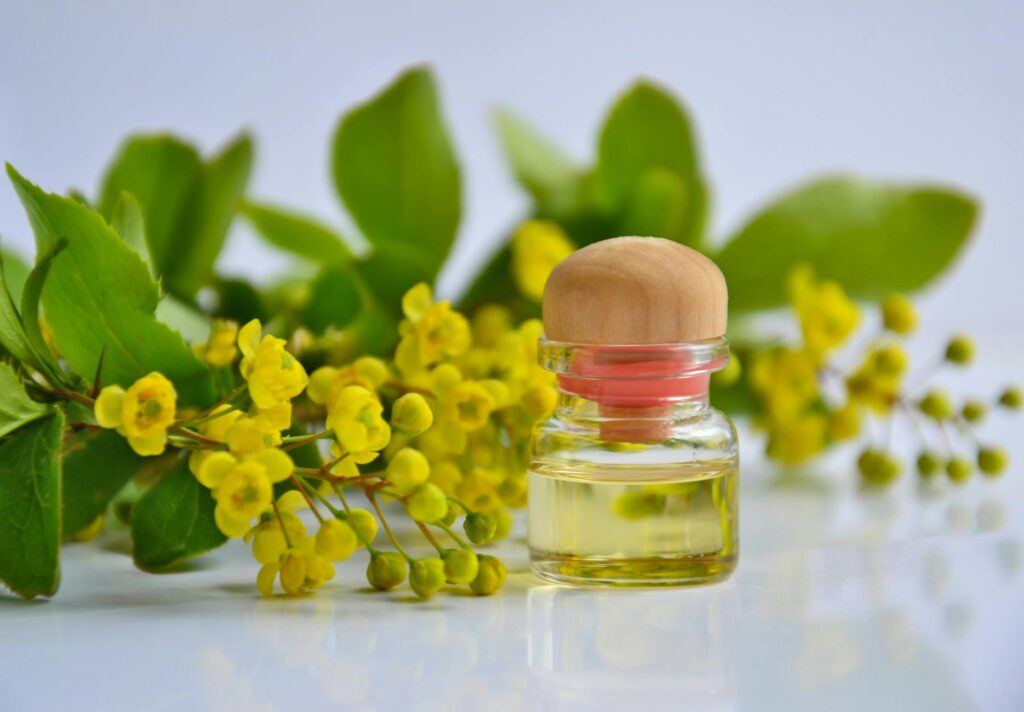
Aromatherapy Uses of Native Medicinal Vines
Introduction
Aromatherapy, a holistic healing practice that utilizes the aromatic properties of essential oils derived from plants, has gained increasing popularity in recent years. Among the myriad sources of essential oils, native medicinal vines stand out for their unique properties and cultural significance. This article explores the fascinating world of these vines, their benefits, common uses, and applications in aromatherapy.
What Is Native Medicinal Vines?
Native medicinal vines are climbing plants that have traditionally been used in various cultures for their therapeutic properties. These vines often thrive in specific geographical regions and have adapted to their local environments, making them invaluable resources for indigenous populations. Their leaves, stems, flowers, and roots can produce essential oils that are rich in bioactive compounds, contributing to their aromatic and medicinal qualities.
Examples of native medicinal vines include the Brazilian Jaborandi (Pilocarpus microphyllus), known for its stimulating properties, and the Australian Finger Lime (Citrus australasica), which is celebrated for its unique flavor and potential health benefits. The traditional knowledge surrounding these plants often encompasses their use in rituals, healing practices, and everyday wellness.
Key Benefits and Properties
The essential oils extracted from native medicinal vines exhibit a range of beneficial properties, including:
1. Antioxidant Activity: Many medicinal vines contain compounds that scavenge free radicals, potentially reducing oxidative stress in the body.
2. Anti-inflammatory Effects: Several essential oils have been shown to possess anti-inflammatory properties, which may help alleviate symptoms associated with chronic inflammation.
3. Antimicrobial Properties: Certain vine-derived oils can inhibit the growth of bacteria and fungi, making them useful in aromatherapy formulations aimed at promoting health and well-being.
4. Mood Enhancement: Aromatic compounds found in these vines are often used to elevate mood, reduce anxiety, and promote relaxation.
5. Respiratory Support: Some native medicinal vines can help clear airways or provide relief from respiratory discomfort when used in diffusers or steam inhalation.
Common Uses
Native medicinal vines have a range of applications beyond aromatherapy. Some common uses include:
- Traditional Medicine: Many indigenous cultures utilize these vines in herbal remedies to address various ailments, from digestive issues to skin conditions.
- Culinary Applications: Certain vines produce fruits or leaves that can be used in culinary practices, enhancing flavor while providing nutritional benefits.
- Craft and Custom Products: The fibers and materials from these vines can be used in crafts, textiles, and building materials, showcasing their versatility.
- Landscaping and Gardening: Native vines are often used in landscaping to promote biodiversity, attract pollinators, and provide natural shade.
- Allergic Reactions: Individuals may experience allergic reactions to certain essential oils. It is advisable to conduct a patch test before using a new oil on the skin.
- Dilution: Essential oils should be diluted in a carrier oil before topical application to minimize the risk of skin irritation.
- Pregnancy and Nursing: Pregnant or nursing individuals should consult with a qualified practitioner before using essential oils, as some may not be suitable during these times.
- Pre-existing Conditions: Individuals with health conditions or those on medications should seek advice from a healthcare professional to ensure the safe use of essential oils.
- Children and Pets: Special care should be taken when using essential oils around children and pets, as certain oils may be toxic to them.
- Cool, Dark Place: Store essential oils in a cool, dark location away from direct sunlight to prevent degradation.
- Airtight Containers: Use dark glass bottles with airtight caps to minimize exposure to air and light.
- Labeling: Clearly label all essential oils with the name, date of extraction, and expiration date to ensure proper usage.
- Shelf Life: The shelf life of essential oils varies, but most can last from 1 to 3 years. Regularly check for changes in color, scent, or consistency as indicators of spoilage.
Aromatherapy Applications
In the realm of aromatherapy, native medicinal vines offer a variety of applications:
1. Diffusers: Essential oils extracted from these vines can be used in ultrasonic diffusers to disperse their aromatic properties into the air, promoting relaxation and mental clarity.
2. Massage Oils: Blending vine-derived essential oils with carrier oils can create soothing massage oils that enhance relaxation and ease muscle tension.
3. Bath Products: Adding a few drops of essential oil to bathwater can create a sensory experience that promotes relaxation and stress relief.
4. Inhalation: Inhaling the vapor of essential oils from native vines can be beneficial for respiratory support and emotional well-being.
5. Personal Fragrances: These oils can be blended to create unique, natural perfumes that evoke the essence of the natural world.
6. Potpourri and Home Scents: Dried leaves and flowers from medicinal vines can be used in potpourri or sachets to impart a pleasant aroma to living spaces.
Safety Considerations
While native medicinal vines can offer numerous benefits, it is essential to approach their use with caution. Here are some safety considerations:
Storage and Shelf Life
Proper storage is crucial for maintaining the quality of essential oils derived from native medicinal vines. Here are some tips for optimal storage:
Frequently Asked Questions
1. Can I ingest essential oils from native medicinal vines?
Ingesting essential oils is not generally recommended without the guidance of a qualified healthcare professional. Many essential oils can be toxic when taken orally.
2. How do I choose the right essential oil for my needs?
Selecting the right essential oil depends on the desired effect. Research the properties of various vine-derived oils and consider your personal preferences and sensitivities.
3. Are native medicinal vines sustainable?
Sustainability varies by region and species. It is crucial to source essential oils from reputable suppliers who practice sustainable harvesting methods to protect biodiversity.
4. Can I use essential oils from native medicinal vines in a diffuser with other oils?
Yes, many people blend different essential oils to create unique aromatic experiences. However, it is advisable to research compatibility and potential interactions.
5. How do I know if an essential oil is pure?
Look for oils labeled as 100% pure, therapeutic grade, or organic. Reputable suppliers should provide information on sourcing and extraction methods.
Conclusion
Native medicinal vines offer a rich tapestry of benefits and applications, particularly in the field of aromatherapy. Their aromatic properties and cultural significance make them valuable resources for holistic healing practices. By understanding their uses, benefits, and safety considerations, individuals can explore the enchanting world of these vines and incorporate their essence into everyday life.