
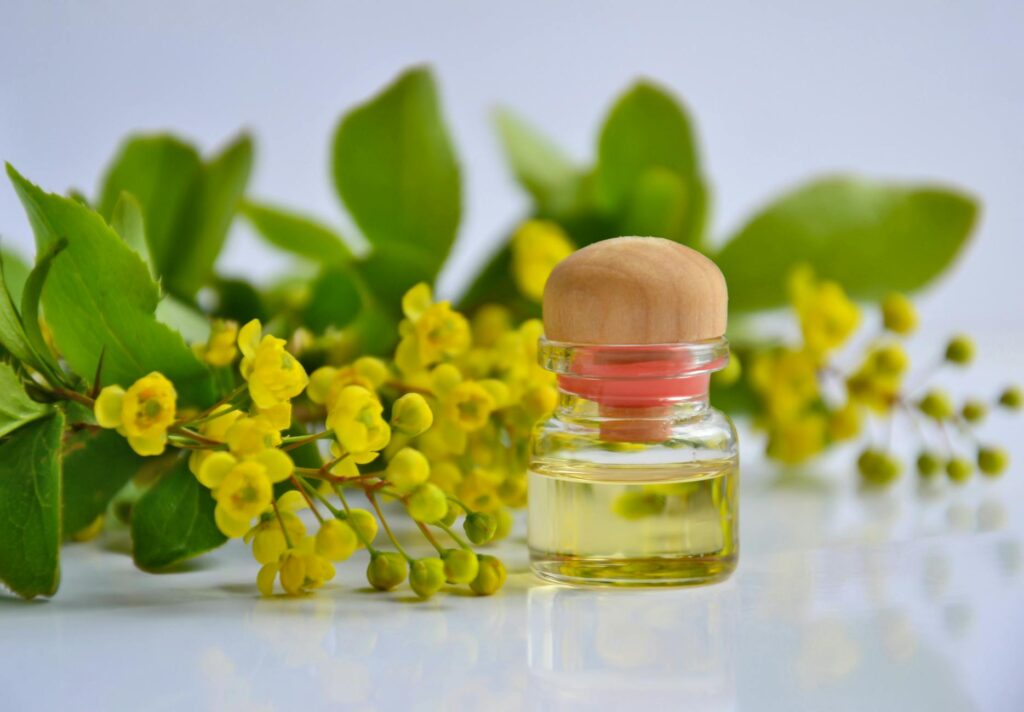
Aromatherapy Uses of Native Wild Edible Plants
Introduction
Aromatherapy, the practice of using plant extracts and essential oils for therapeutic benefits, has garnered significant attention for its potential to enhance physical, emotional, and mental well-being. One particularly fascinating aspect of aromatherapy is the use of native wild edible plants. These plants, often overlooked in modern herbalism, possess unique aromatic properties that can contribute to holistic health practices. This article explores the characteristics, benefits, and applications of these plants in aromatherapy, providing a comprehensive understanding for enthusiasts and practitioners alike.
What Are Native Wild Edible Plants?
Native wild edible plants are species that naturally grow in a particular region and have been traditionally consumed by local populations. These plants are often well adapted to their environment, making them resilient and rich in nutritional and aromatic compounds. Examples include various herbs, flowers, fruits, and leaves that can be foraged from the wild and used for culinary and medicinal purposes.
The diversity of native wild edible plants varies by region, but common examples include:
- Wild mint (Mentha arvensis): Known for its refreshing aroma and flavor.
- Elderflower (Sambucus nigra): Celebrated for its sweet fragrance and culinary uses.
- Chickweed (Stellaria media): Often used for its mild flavor and nutritional benefits.
- Anti-inflammatory Properties: Many wild edible plants have compounds that can help reduce inflammation.
- Calming Effects: Certain species are known for their soothing and relaxing aromas, which can alleviate stress and anxiety.
- Antimicrobial Qualities: Some plants possess natural antimicrobial properties, making them valuable for supporting overall health.
- Mood Enhancement: The scents of various wild plants can stimulate neurotransmitters associated with improved mood and cognition.
- Culinary Applications: Wild herbs and greens can be incorporated into salads, teas, and other dishes, enhancing flavors and nutritional value.
- Infusions and Tinctures: Edible plants can be steeped in oils or alcohol to create infusions or tinctures that capture their aromatic properties.
- Dried Herbs: Many plants can be dried and stored for later use, retaining their aromatic qualities for culinary and therapeutic applications.
- Wild lavender (Lavandula angustifolia): Known for its soothing properties.
- Wild chamomile (Matricaria chamomilla): Valued for its calming effects.
- Identification: Proper identification is crucial. Some plants may have toxic lookalikes, so accurate knowledge is necessary before foraging or using any wild plant.
- Allergies and Sensitivities: Individuals may have allergies or sensitivities to certain plants. It is advisable to conduct a patch test before using essential oils or topical applications.
- Dilution: Essential oils should always be diluted with a carrier oil when applied to the skin to prevent irritation.
- Consultation: For those pregnant, nursing, or with pre-existing health conditions, consulting a qualified expert is advisable before using essential oils.
- Cool, Dark Place: Essential oils should be stored in dark glass bottles in a cool, dark place to prevent degradation from light and heat.
- Tightly Sealed: Ensure that bottles are tightly sealed to avoid evaporation and contamination.
- Shelf Life: The shelf life of essential oils varies by plant species but generally ranges from 1 to 3 years. It is advisable to check for any changes in aroma or appearance before use.
The unique properties of these plants not only enhance culinary dishes but also offer aromatic benefits that can be harnessed through essential oil extraction.
Key Benefits and Properties
Native wild edible plants are rich in bioactive compounds, including essential oils, flavonoids, and antioxidants. Many of these compounds are responsible for their aromatic qualities, making them suitable for use in aromatherapy. Some key benefits include:
The aromatic profiles of these plants can vary widely, offering an array of scents from sweet and floral to fresh and earthy.
Common Uses
Native wild edible plants have been utilized in various ways, particularly in culinary and traditional practices. Their uses can include:
The versatility of these plants allows them to be integrated into various aspects of daily life, making them valuable resources for those interested in sustainable living and natural remedies.
Aromatherapy Applications
The aromatic properties of native wild edible plants can be harnessed in several ways within the realm of aromatherapy:
Essential Oil Extraction
Some native wild edible plants can be distilled to produce essential oils. Methods of extraction typically include steam distillation or cold pressing. The resulting essential oils can then be used in diffusers, massage oils, or personal care products.
Diffusion
Diffusing the essential oils of wild edible plants helps to disperse their aromas into the air, creating an uplifting or calming environment. Popular diffused plants include:
Topical Application
When diluted with a carrier oil, essential oils from native wild plants can be applied topically to the skin. This method can enhance relaxation and promote a sense of well-being. However, due consideration should be given to potential skin sensitivities.
Inhalation
Inhaling the aroma of native wild edible plants can provide immediate benefits. Placing a few drops of essential oil on a tissue or cotton ball allows for quick access to their aromatic properties. This method can be particularly effective for stress relief or mood enhancement.
Bathing
Adding a few drops of essential oil to a warm bath can create a tranquil and aromatic experience. The steam from the bathwater helps to diffuse the essential oils, allowing for full sensory engagement.
Safety Considerations
While native wild edible plants offer various benefits, it is essential to approach their use with caution:
Storage and Shelf Life
Proper storage of wild edible plants and their essential oils is essential to maintain their potency and aromatic qualities. Here are some guidelines:
Frequently Asked Questions
Can all wild edible plants be used for aromatherapy?
Not all wild edible plants possess the aromatic properties suitable for aromatherapy. It is essential to research specific plants to understand their uses and benefits.
How can I identify safe wild edible plants?
It is crucial to learn from reliable sources, such as field guides, workshops, or local experts, before foraging. Always ensure proper identification before consumption or use.
Are there any contraindications for using essential oils?
Yes, certain essential oils may interact with medications or may not be suitable for individuals with specific health conditions. Always consult a qualified practitioner if you have concerns.
Can I make my own essential oils at home?
While it is possible to create simple infusions or hydrosols at home, the distillation process for essential oils requires specialized equipment and knowledge. It is recommended to purchase oils from reputable sources.
Is it safe to ingest essential oils?
Ingesting essential oils should be approached with caution. Many essential oils are not safe for internal use. Always consult a specialist before considering ingestion.
Conclusion
The world of native wild edible plants offers a rich tapestry of aromatic potential within the field of aromatherapy. Their unique properties and historical significance provide a valuable resource for those interested in natural wellness practices. By understanding the benefits, applications, and safety considerations, individuals can harness the power of these plants for a holistic approach to well-being. Whether through diffusion, topical application, or culinary use, native wild edible plants can enrich our lives and promote a deeper connection with nature.