
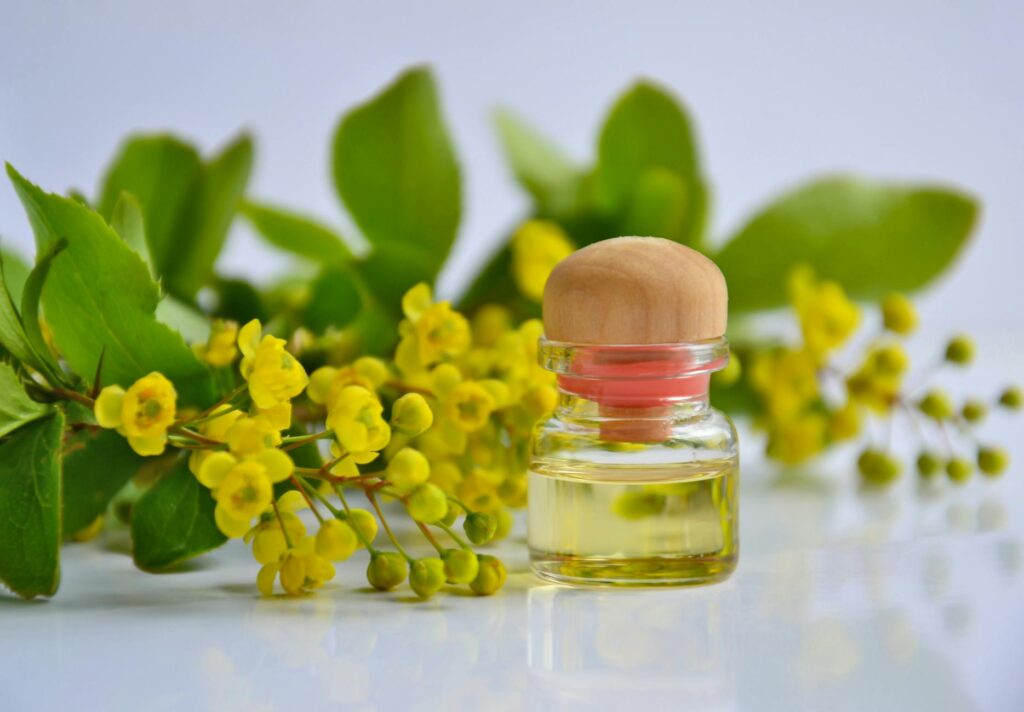
Aromatherapy Uses of Native Wild Medicinal Plants
Introduction
Aromatherapy, a holistic healing practice utilizing essential oils derived from plants, has gained popularity as a natural approach to enhancing physical and emotional well-being. Among the myriad sources of essential oils, native wild medicinal plants stand out due to their unique properties and historical significance in traditional medicine. This article explores the aromatic potential of these plants, their benefits, common applications, and considerations for safe use.
What Are Native Wild Medicinal Plants?
Native wild medicinal plants refer to flora that grows naturally in a specific region and has been historically used by indigenous cultures for therapeutic purposes. These plants often possess unique chemical compounds that contribute to their aromatic and medicinal qualities. Due to their adaptation to local climates and ecosystems, they typically require fewer resources to cultivate and may provide a sustainable source of essential oils.
Examples of Native Wild Medicinal Plants
- Echinacea: Known for its immune-supporting properties, Echinacea is a native North American plant commonly used in herbal remedies.
- Sage: This aromatic herb, native to Europe and Asia, has a rich history in traditional medicine, often employed for its antiseptic and anti-inflammatory properties.
- Lavender: Indigenous to the Mediterranean region, lavender is renowned for its calming fragrance and is frequently used in aromatherapy.
- Wild Mint: Found in various parts of the world, wild mint is celebrated for its uplifting scent and digestive benefits.
- Antimicrobial: Many native plants possess natural antimicrobial properties, making them effective in combating infections.
- Anti-inflammatory: Compounds found in these plants can help reduce inflammation, providing relief from various conditions.
- Relaxation and Stress Relief: Aromatic oils from these plants can promote relaxation and reduce anxiety, enhancing emotional well-being.
- Digestive Support: Certain wild plants aid in digestion, helping to alleviate discomfort and improve gut health.
- Essential Oils: Concentrated plant extracts obtained through distillation, commonly used in aromatherapy.
- Herbal Teas: Dried leaves, flowers, or roots can be steeped in hot water to create soothing beverages.
- Tinctures: Alcohol or glycerin extracts capture the essence of the plant for medicinal use.
- Topical Applications: Oils and salves derived from these plants can be applied to the skin for localized effects.
- Ultrasonic Diffusers: These devices use water and ultrasonic waves to disperse essential oils into the air.
- Reed Diffusers: These consist of a container filled with essential oil and reeds that absorb and emit the fragrance.
- Steam Inhalation: Adding a few drops of essential oil to hot water and inhaling the steam can provide respiratory relief.
- Massage: Blending essential oils with a carrier oil for massage can enhance relaxation and relieve muscle tension.
- Baths: Adding essential oils to bathwater can create a soothing experience, promoting both physical and mental relaxation.
- Compresses: A warm or cold compress infused with essential oils can provide relief from pain, swelling, or stress.
- Allergies and Sensitivities: Before using any essential oil, conduct a patch test to check for skin sensitivities or allergic reactions.
- Dilution: Essential oils should be diluted with a carrier oil before topical application to prevent skin irritation.
- Pregnancy and Nursing: Some essential oils may not be safe for pregnant or nursing individuals; consult relevant guidelines.
- Children and Pets: Certain essential oils can be harmful to children and pets; research safe options before use.
- Interactions with Medications: Individuals taking medications should be cautious, as some essential oils may interact with pharmaceuticals.
- Keep in Dark Glass Bottles: Essential oils should be stored in dark glass containers to protect them from light degradation.
- Cool, Dry Place: Store oils in a cool, dry environment, away from direct sunlight and heat sources.
- Tightly Sealed: Ensure bottles are tightly sealed to prevent evaporation and contamination.
- Shelf Life: While many essential oils have a shelf life of 1-3 years, certain oils may degrade more quickly. Regularly check for changes in scent, color, or viscosity.
Key Benefits and Properties
Native wild medicinal plants offer a range of benefits due to their complex chemical makeup. Many of these plants contain essential oils rich in terpenes, phenols, alcohols, and other compounds that contribute to their healing properties.
Therapeutic Properties
Common Uses
Native wild medicinal plants are utilized in various forms, including:
Aromatherapy Applications
Aromatherapy harnesses the scents of essential oils to promote well-being through inhalation or topical application. The volatile compounds in these oils interact with the olfactory system, influencing mood, emotions, and physiological responses.
Diffusion
Diffusing essential oils from native wild medicinal plants in a room can create a calming or invigorating atmosphere. Common methods include:
Topical Applications
Applying diluted essential oils to the skin can deliver localized benefits. Popular methods include:
Blending
Creating custom blends of essential oils from native wild plants allows for personalized aromatherapy experiences. When blending, consider the properties and scents of each oil to achieve desired outcomes.
Safety Considerations
While native wild medicinal plants offer numerous benefits, it is essential to approach their use with caution. The following safety considerations should be kept in mind:
Storage and Shelf Life
To maintain the integrity of essential oils derived from native wild medicinal plants, proper storage is crucial. Follow these guidelines:
Frequently Asked Questions
1. How do I choose the right essential oil for my needs?
Choosing the right essential oil depends on your desired effects. Research the properties of various oils and consider your specific goals, such as relaxation, energy boost, or respiratory support.
2. Can I use essential oils directly on my skin?
Most essential oils should be diluted with a carrier oil before applying them to the skin to prevent irritation. Always conduct a patch test first.
3. Are there any essential oils that are safe for children?
Yes, some essential oils, such as lavender and chamomile, are generally considered safe for children when properly diluted. However, it is advisable to consult reliable sources or a professional for specific recommendations.
4. How can I incorporate aromatherapy into my daily routine?
You can incorporate aromatherapy into your daily life by using essential oils in your home through diffusing, adding them to your bath, or using them in personal care products.
5. What should I do if I experience an adverse reaction to an essential oil?
If you experience an adverse reaction, discontinue use immediately, wash the affected area with soap and water, and consult a healthcare professional if necessary.
Conclusion
The world of native wild medicinal plants offers a rich tapestry of aromas and therapeutic properties that can enhance our well-being. By understanding their uses, benefits, and safety precautions, individuals can thoughtfully incorporate these essential oils into their lives, embracing the natural healing potential of the environment around them. Whether through diffusion, topical application, or blending, the journey into aromatherapy with native wild plants can be both enjoyable and enlightening.