
Aromatherapy Uses of Native Wildflowers
Introduction
Aromatherapy, the therapeutic use of essential oils derived from plants, is a practice that transcends cultures and centuries. One of the most intriguing sources of essential oils is native wildflowers. These indigenous plants, adapted to their local environments, offer a rich palette of aromas and therapeutic properties that can enhance well-being. This article explores the uses of native wildflowers in aromatherapy, highlighting their benefits, applications, and safety considerations.
What Are Native Wildflowers?
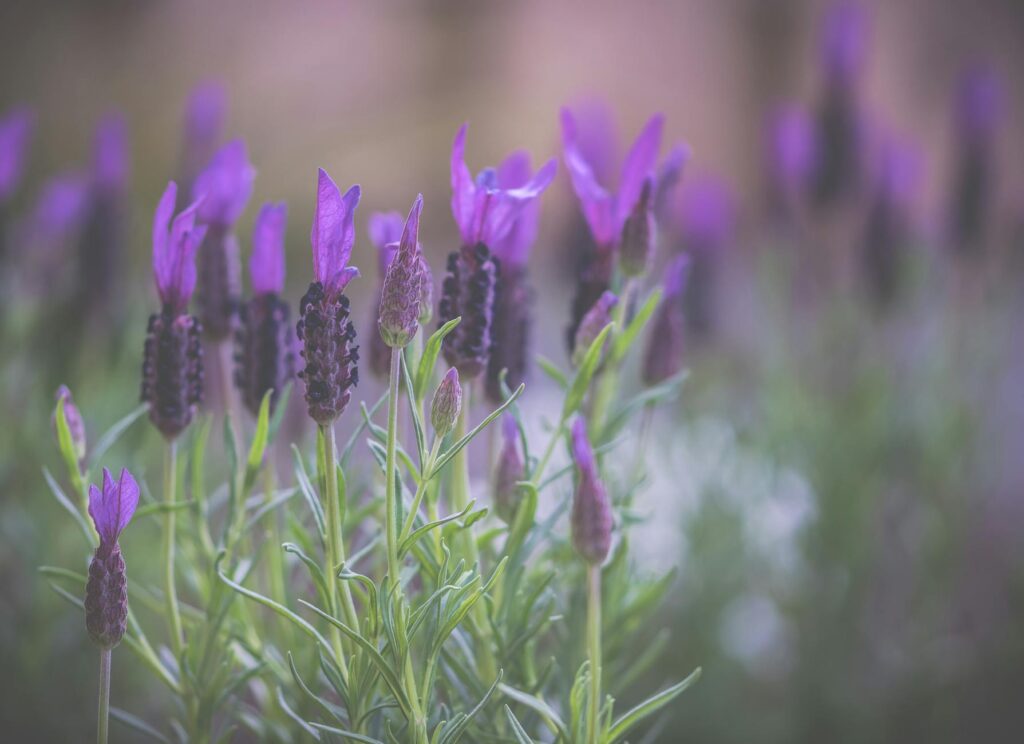
Native wildflowers are plant species that occur naturally in a specific region without human intervention. They have evolved over time to thrive in local climates and soil conditions, making them uniquely suited to their environments. These flowers are typically resilient and contribute to local ecosystems by providing habitat and food for various wildlife. Examples include the California poppy (Eschscholzia californica), black-eyed Susan (Rudbeckia hirta), and lavender (Lavandula angustifolia), among many others.
The significance of native wildflowers extends beyond their aesthetic value; they are often rich in essential oils, which can be extracted for use in aromatherapy. These oils are derived from various parts of the plant, including flowers, leaves, stems, and roots.
Key Benefits and Properties
Native wildflowers possess a diverse array of properties that contribute to their effectiveness in aromatherapy. Some key benefits include:
1. Mood Enhancement: Many native wildflowers contain compounds that can uplift mood and promote emotional balance. For instance, the essential oil of the California poppy is known for its calming and uplifting effects.
2. Stress Relief: Certain wildflowers, such as chamomile (Matricaria chamomilla), have anti-anxiety properties, helping to alleviate stress and promote relaxation.
3. Respiratory Support: Essential oils from wildflowers like eucalyptus (Eucalyptus globulus) can aid in respiratory health, providing relief from congestion and promoting clear breathing.
4. Anti-inflammatory Properties: Many native wildflowers have anti-inflammatory effects, making them beneficial for soothing skin irritations and other inflammatory conditions.
5. Antimicrobial Effects: Certain wildflower oils have natural antimicrobial properties, helping to purify the air and protect against pathogens.
Common Uses
Native wildflowers are utilized in various forms within the field of aromatherapy. Common applications include:
- Essential Oils: Extracted from the flowers, leaves, or stems, these concentrated oils are the primary medium used in aromatherapy practices.
- Infused Oils: Carrier oils infused with the essence of wildflowers can be used for topical applications or as a base for massage oils.
- Hydrosols: The aromatic water produced during the distillation of essential oils, hydrosols can be used as a gentle facial toner or room spray.
- Herbal Teas: Some wildflowers can be steeped to create herbal teas that capture their aromatic qualities, providing a different avenue for enjoyment.
- Potpourri: Dried wildflowers can be used in potpourri blends to naturally fragrance living spaces.
- Dilution: Essential oils should never be applied directly to the skin without proper dilution in a carrier oil, as they can cause irritation or allergic reactions.
- Patch Test: Conduct a patch test by applying a diluted oil to a small area of skin to check for any adverse reactions before using it more broadly.
- Pregnancy and Nursing: Certain essential oils may not be safe for use during pregnancy or while nursing. It is advisable to consult a qualified aromatherapist or healthcare professional for guidance.
- Children and Pets: Some essential oils can be harmful to young children and pets. Always research specific oils before use and consult with a professional if unsure.
- Quality of Oils: Use high-quality, pure essential oils sourced from reputable suppliers. Adulterated or synthetic oils may not provide the desired therapeutic benefits and can pose risks.
- Dark Glass Containers: Essential oils should be stored in dark glass bottles to protect them from light, which can degrade their quality.
- Cool, Dry Place: Keep oils in a cool, dry area away from direct sunlight and heat sources. Ideal storage conditions can prolong the shelf life of your oils.
- Expiration: While some essential oils can last for several years, others may have shorter shelf lives. Citrus oils, for instance, tend to oxidize more quickly. Regularly check oils for changes in color, aroma, or consistency.
Aromatherapy Applications
The applications of native wildflowers in aromatherapy are diverse and can be tailored to individual preferences and needs. Here are some popular ways to incorporate them into your routine:
Diffusion
Using a diffuser is one of the most common methods for enjoying the aromatic benefits of essential oils. A few drops of essential oil from native wildflowers can be added to a diffuser, allowing the fragrance to disperse throughout a room. This method is effective for mood enhancement and creating a calming atmosphere.
Topical Application
When diluted with a carrier oil, essential oils from native wildflowers can be applied directly to the skin. This application can target specific areas of concern, such as muscle tension or skin irritations. Popular choices for topical use include chamomile and lavender for their soothing properties.
Inhalation
Inhaling the aroma of wildflower essential oils directly from the bottle or through steam inhalation can provide immediate effects, particularly for stress relief and respiratory support. Simply add a few drops to a bowl of hot water and inhale the steam, being cautious to avoid burns.
Bath Soaks
Adding a few drops of essential oil to a warm bath can create a wonderfully relaxing experience. The warm water helps to disperse the oils, allowing their properties to be absorbed through the skin and inhaled.
Massage
Incorporating wildflower essential oils into massage oils can enhance the therapeutic effects of the massage. Essential oils like yarrow (Achillea millefolium) and calendula (Calendula officinalis) are popular choices for their anti-inflammatory and soothing properties.
Safety Considerations
While native wildflowers offer numerous benefits, it is essential to approach their use with caution. Some safety considerations include:
Storage and Shelf Life
The proper storage of essential oils is crucial for maintaining their efficacy. Here are some guidelines:
Frequently Asked Questions
What are the best native wildflowers for aromatherapy?
The best native wildflowers for aromatherapy depend on individual preferences and desired effects. Some popular options include lavender, chamomile, and yarrow. Researching specific properties can guide your choice.
Can I grow my own native wildflowers for aromatherapy?
Yes, growing your own native wildflowers can be a rewarding experience. Ensure that you select species that are suitable for your local climate and soil conditions. This approach allows you to harvest fresh flowers for your aromatherapy needs.
Are there any allergies associated with native wildflower essential oils?
Yes, some individuals may have allergies or sensitivities to specific wildflower essential oils. It’s important to conduct patch tests and consult with a healthcare professional if you have known allergies.
How can I learn more about essential oils and aromatherapy?
To further your knowledge of essential oils and aromatherapy, consider enrolling in courses, reading books, or visiting reputable online resources and botanical encyclopedias that focus on plant-based therapies.
Can essential oils from native wildflowers be used in cooking?
While some native wildflowers are edible and can be used in cooking, not all essential oils are safe for ingestion. Only consume oils that are specifically labeled as food-grade and consult with a knowledgeable professional before using them in culinary applications.
Conclusion
Native wildflowers offer a unique and beneficial avenue for exploring the world of aromatherapy. Their diverse properties and applications make them valuable allies in promoting emotional, physical, and environmental well-being. By understanding their uses, benefits, and safety considerations, individuals can harness the power of these indigenous plants to enhance their aromatherapy practices. Whether through diffusion, topical applications, or simple enjoyment of their beauty, native wildflowers hold a special place in the realm of natural healing.