
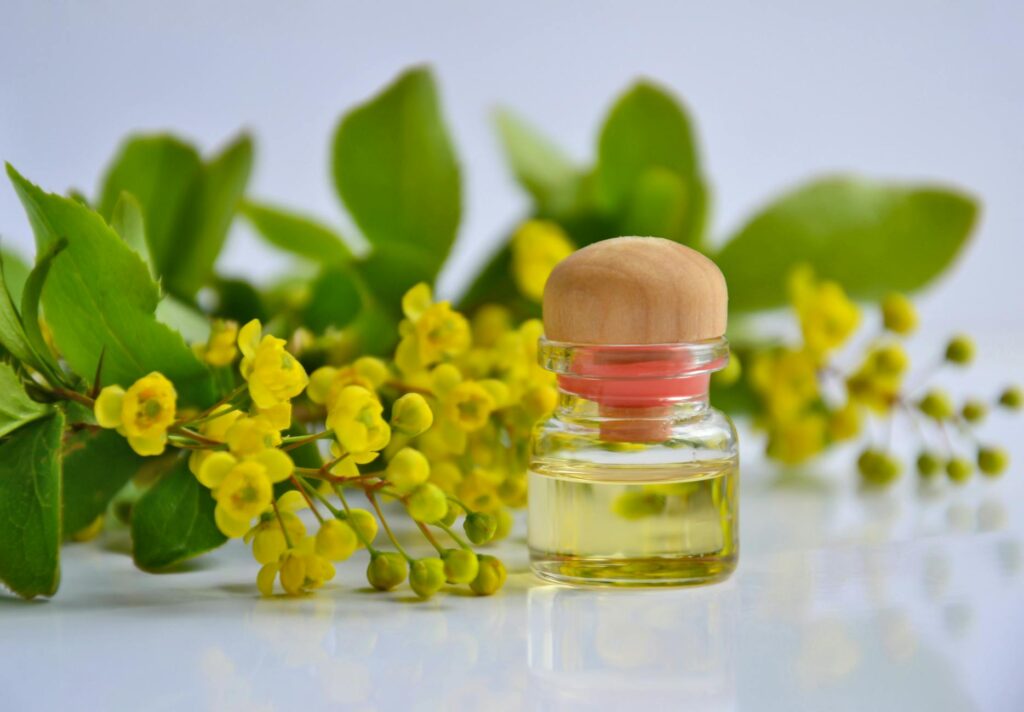
Aromatherapy Uses of Neem Extract
Introduction
Aromatherapy, an ancient practice that harnesses the therapeutic potential of essential oils and plant extracts, encompasses a wide array of natural substances. Among these, neem extract, derived from the seeds and leaves of the neem tree (Azadirachta indica), holds a prominent place due to its numerous benefits and applications. Indigenous to the Indian subcontinent, neem has been utilized for centuries in traditional medicine and holistic practices. This article explores neem extract’s properties, common uses, and its specific applications in aromatherapy.
What Is Neem Extract?
Neem extract is a concentrated substance obtained from the leaves, seeds, and bark of the neem tree. Rich in bioactive compounds, it embodies a complex chemical profile that includes triterpenoids, flavonoids, and various other phytochemicals. The extraction process typically involves cold-pressing or solvent extraction techniques, which preserve the integrity of its active components.
Neem is often referred to as the “wonder tree” or “nature’s pharmacy” due to its diverse applications across various fields, including agriculture, cosmetics, and healthcare. Its distinct aroma, which is often described as earthy and slightly bitter, is characteristic of its phytochemical makeup.
Key Benefits and Properties
Neem extract is renowned for its myriad benefits, which are attributed to its potent bioactive compounds. Some of the key properties include:
1. Antioxidant: Neem extract is rich in antioxidants that help neutralize free radicals, potentially reducing oxidative stress and promoting overall skin health.
2. Anti-inflammatory: Due to its ability to modulate inflammatory responses, neem is often used to alleviate discomfort associated with various skin conditions.
3. Antimicrobial: Neem exhibits antimicrobial properties, making it effective against various pathogens, including bacteria and fungi. This quality is particularly beneficial in addressing skin issues.
4. Insecticidal: Traditionally used in agricultural practices, neem’s insecticidal properties can deter pests, making it a natural alternative to synthetic pesticides.
5. Moisturizing: Neem extract is often included in skincare formulations due to its moisturizing properties, helping to maintain hydration and skin elasticity.
Common Uses
Neem extract is versatile and finds its way into a variety of applications:
- Skincare Products: Due to its antimicrobial and anti-inflammatory properties, neem is commonly used in soaps, lotions, and creams aimed at treating acne, eczema, and other skin conditions.
- Hair Care: Neem is often included in shampoos and conditioners for its ability to promote a healthy scalp and reduce dandruff.
- Household Products: Neem oil is frequently used in natural pest repellents and cleaning agents, thanks to its insecticidal properties.
- Traditional Medicine: In Ayurvedic practices, neem is employed for a range of health-related concerns, including skin ailments and digestive issues.
- Location: Store neem extract in a cool, dark place, away from direct sunlight and heat sources.
- Container: Use airtight containers to minimize exposure to air, which can degrade the quality of the extract.
- Shelf Life: Generally, neem extract has a shelf life of 1-2 years, depending on the extraction method and storage conditions. Always check for any changes in aroma or appearance before use.
Aromatherapy Applications
In aromatherapy, neem extract can be used in various forms, such as essential oil, infused oil, or diluted formulations. Here are some specific applications:
1. Diffusion: When combined with other essential oils, neem can be diffused to purify the air and create a calming atmosphere. Its earthy aroma can be grounding and provide a sense of connection to nature.
2. Massage: Diluted neem oil is often used in massage blends to help relieve muscle tension and inflammation. Its soothing properties may enhance the relaxing effects of the massage.
3. Bathing: Adding neem extract to bathwater can create a rejuvenating experience. Its moisturizing and calming properties make it suitable for soothing skin irritations.
4. Skincare Regimens: Neem extract can be incorporated into facial oils and serums to enhance their effectiveness. Its antimicrobial properties may help prevent breakouts and promote clear skin.
5. Inhalation: Inhalation of neem-infused steam can provide relief for respiratory issues. The antimicrobial properties may help purify the airways and support overall respiratory health.
Safety Considerations
While neem extract is generally considered safe for topical use, certain precautions should be taken:
1. Dilution: Neem oil should always be diluted before application to the skin. A concentration of 1-2% is often recommended for topical use.
2. Patch Test: Conducting a patch test prior to widespread use is advisable to check for any allergic reactions or sensitivities.
3. Pregnancy and Nursing: Pregnant or nursing individuals should consult a qualified healthcare professional before using neem extract, as its effects during these periods are not well-studied.
4. Interactions with Medications: Neem extract may interact with certain medications. Individuals taking prescription drugs should seek guidance from a healthcare provider before incorporating neem into their routine.
5. Quality: Ensure that the neem extract or oil is sourced from reputable suppliers to avoid contaminants or adulterations.
Storage and Shelf Life
Proper storage of neem extract is essential to maintain its efficacy and aroma. Here are some guidelines:
Frequently Asked Questions
1. Can neem extract be used for all skin types?
Neem extract is generally safe for most skin types, but those with sensitive skin should proceed with caution and conduct a patch test.
2. Is neem extract suitable for children?
While neem is often used in natural products for children, it is recommended to consult a healthcare professional before using it on young skin.
3. Can neem extract be ingested?
Neem extract is primarily intended for topical use and should not be ingested without the guidance of a qualified healthcare provider.
4. How does neem compare to other essential oils?
Neem has unique properties that set it apart from other essential oils. While many oils focus on relaxation or mood enhancement, neem is particularly valued for its antimicrobial and anti-inflammatory benefits.
5. Is neem extract environmentally friendly?
Neem is a sustainable resource and is often cultivated without the use of synthetic pesticides, making it an eco-friendly option in various applications.
Conclusion
Neem extract offers a wealth of benefits, making it a valuable addition to the field of aromatherapy. Its diverse applications, from skincare to household products, showcase its versatility as a natural remedy. However, as with any botanical extract, it is essential to approach its use with mindfulness and respect for safety guidelines. By understanding the properties and potential applications of neem extract, individuals can fully appreciate its role in promoting holistic well-being.