
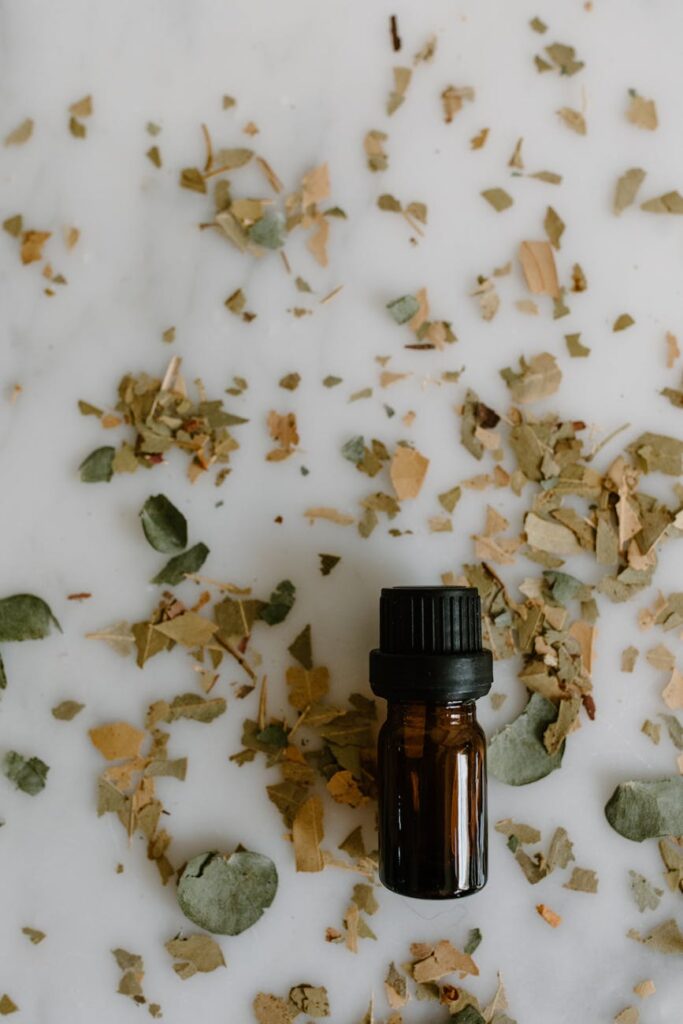
Aromatherapy Uses of Neroli Blossom Oil
Introduction
Aromatherapy, the practice of using essential oils for therapeutic benefits, has gained significant popularity in recent years. Among the myriad of essential oils available, Neroli Blossom Oil stands out for its unique scent and wide-ranging applications. Derived from the delicate blossoms of the bitter orange tree, Neroli is revered not only for its captivating fragrance but also for its numerous benefits in aromatherapy. This article will explore the characteristics, benefits, and practical uses of Neroli Blossom Oil, providing a comprehensive understanding for those interested in this exquisite essential oil.
What Is Neroli Blossom Oil?
Neroli Blossom Oil, scientifically known as Citrus aurantium, is extracted from the flowers of the bitter orange tree, a species native to Southeast Asia. The oil is often obtained through steam distillation, a process that captures the fragrant compounds present in the blossoms. Neroli is named after Princess Anne-Marie de la Trémoille, the 17th-century Italian noblewoman who popularized the scent in her perfumes.
The oil is typically pale yellow to clear in color and possesses a sweet, floral aroma with hints of citrus. Its unique scent profile not only makes it a favored ingredient in perfumery but also a valuable addition to aromatherapy practices.
Key Benefits and Properties
Neroli Blossom Oil is celebrated for its diverse range of benefits, many of which are attributed to its chemical composition. The oil contains a variety of active compounds, including:
- Linalool: Known for its calming effects.
- Limonene: Associated with uplifting and refreshing properties.
- Geraniol: Offers sweet floral notes and potential antioxidant benefits.
- Reduce Anxiety: The calming aroma is thought to alleviate stress and anxiety, promoting relaxation.
- Enhance Mood: The uplifting scent can elevate mood and combat feelings of sadness or melancholy.
- Promote Social Interaction: Its warm and inviting fragrance may encourage connection and communication.
- Skin Care: The oil is commonly incorporated into skincare products due to its reputed ability to nourish and rejuvenate the skin.
- Sleep Aid: Its calming properties may contribute to improved sleep quality when used in a bedtime routine.
- Perfumes and Fragrances: Due to its captivating scent, Neroli is frequently used in high-end perfumes and colognes.
- Skincare Products: The oil is utilized in lotions, serums, and creams for its potential skin-rejuvenating properties.
- Candle Making: Its delightful aroma makes it a popular choice for scented candles.
- Diffusers: Neroli oil can be added to essential oil diffusers to create a soothing environment.
- Dilution: Always dilute Neroli oil with a carrier oil before applying it to the skin to prevent irritation.
- Patch Test: Conduct a patch test before using the oil topically, especially for individuals with sensitive skin.
- Pregnancy and Nursing: Pregnant or nursing individuals should consult a qualified professional before using essential oils.
- Medical Conditions: Individuals with specific health conditions or those taking medications should seek guidance from a healthcare provider.
- Cool, Dark Place: Store the oil in a cool, dark location to prevent degradation from heat and light exposure.
- Airtight Containers: Use dark glass bottles with airtight seals to minimize oxidation and preserve the oil’s potency.
- Shelf Life: When stored correctly, Neroli oil typically has a shelf life of 1 to 2 years. Regularly check for any changes in scent or appearance, as these can indicate spoilage.
Emotional Benefits
Neroli is often lauded for its ability to promote emotional well-being. It is believed to:
Physical Benefits
While not intended as medical advice, Neroli Blossom Oil is often used for:
Common Uses
Neroli Blossom Oil has a variety of applications, making it a versatile addition to any aromatherapy toolkit. Some common uses include:
Aromatherapy Applications
Integrating Neroli Blossom Oil into aromatherapy practices can enhance both emotional and physical well-being. Here are some ways to use it effectively:
Diffusion
Using a diffuser is one of the simplest ways to enjoy the benefits of Neroli oil. Add a few drops to a diffuser filled with water and allow the scent to permeate the room. This method is excellent for creating a calming atmosphere during meditation or relaxation.
Massage
Diluting Neroli Blossom Oil with a carrier oil—such as sweet almond or jojoba oil—can enhance its benefits during massage. The oil can help relieve tension while providing a delightful aroma that promotes relaxation.
Bathing
Adding a few drops of Neroli oil to a warm bath can create a luxurious and calming experience. The soothing scent may help reduce stress and improve overall mood.
Inhalation
For a quick mood boost, consider inhaling Neroli oil directly from the bottle or placing a few drops on a cotton ball. This method allows for immediate access to its uplifting properties.
Sleep Ritual
Incorporating Neroli into a bedtime routine can enhance relaxation. Consider adding a few drops to a pillow or using it in a diffuser before sleep to promote restful slumber.
Safety Considerations
While Neroli Blossom Oil is generally considered safe for use, it is essential to follow certain precautions:
Storage and Shelf Life
To maintain the quality and efficacy of Neroli Blossom Oil, proper storage is crucial. Follow these guidelines:
Frequently Asked Questions
What is the difference between Neroli oil and Orange Blossom oil?
While both oils are derived from the bitter orange tree, Neroli oil is extracted from the blossoms, whereas Orange Blossom oil is obtained from the flowers of the sweet orange tree. Neroli oil tends to have a more complex, floral scent.
Can Neroli oil be used in food?
Neroli oil is primarily used for aromatic purposes and is not typically recommended for culinary use. Always ensure that any essential oil used in food is food-grade and safe for ingestion.
Is Neroli oil suitable for all skin types?
Neroli Blossom Oil is generally safe for most skin types, but individuals with sensitive skin should conduct a patch test. If irritation occurs, discontinue use.
How can I incorporate Neroli oil into my skincare routine?
Neroli oil can be added to facial oils, serums, and moisturizers. Always dilute it with a carrier oil before applying it to the face.
Can Neroli oil help with stress and anxiety?
Many individuals find the scent of Neroli oil calming and uplifting. However, it is essential to remember that responses to essential oils can vary from person to person.
Conclusion
Neroli Blossom Oil is a multifaceted essential oil with a rich history and a wide range of applications in aromatherapy. From its captivating fragrance to its emotional and physical benefits, this oil offers a unique experience for those seeking to enhance their well-being. Whether used in a diffuser, massage, or skincare product, Neroli Blossom Oil can be a valuable addition to any holistic self-care routine. As with any essential oil, understanding its properties and uses will allow individuals to harness its power safely and effectively.