
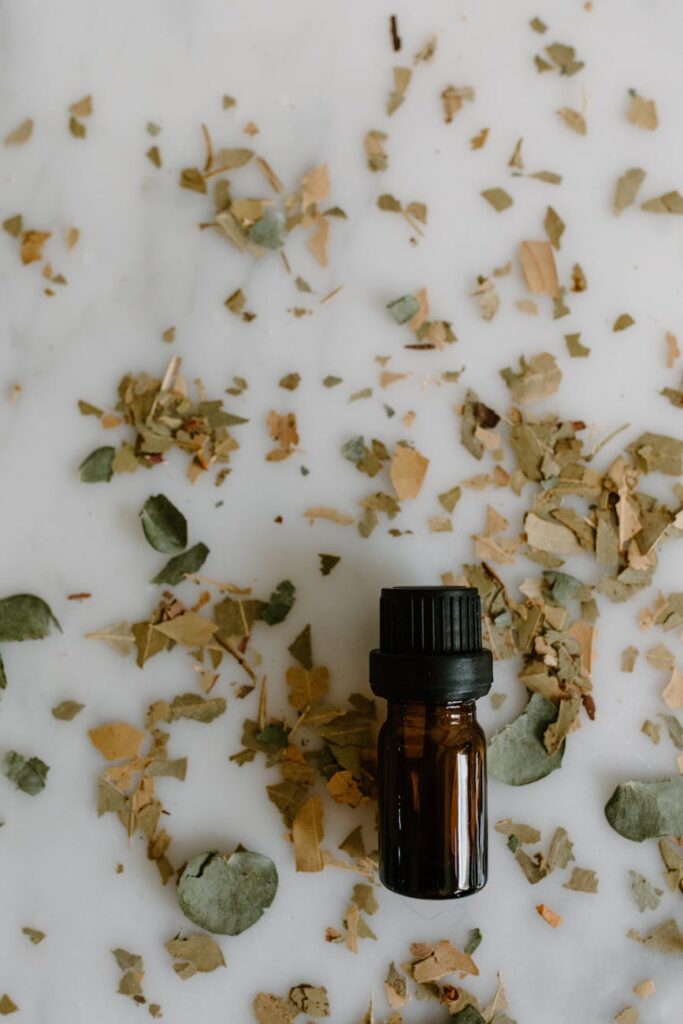
Aromatherapy Uses of Neroli Essential Oil
Introduction
Neroli essential oil, derived from the blossoms of the bitter orange tree (Citrus aurantium), has been cherished for centuries for its aromatic properties and therapeutic benefits. The history of neroli oil dates back to the 17th century, when it was named after Princess Anna Maria de la Tremouille, the Countess of Nerola in Italy, who popularized its use in perfumes. Today, neroli essential oil is prevalent in aromatherapy, cosmetics, and holistic wellness practices, known for its sweet, floral scent and multiple applications.
What Is Neroli Essential Oil?
Neroli essential oil is obtained through steam distillation of the delicate white blossoms of the bitter orange tree. Unlike other citrus oils, such as sweet orange or lemon, which are extracted from the fruit peel, neroli is prized for its floral aroma and complex chemical composition. The oil typically has a pale yellow to golden hue and is characterized by its light, fresh, and uplifting scent.
The production of neroli essential oil is labor-intensive, requiring around 1,000 pounds of blossoms to yield just one pound of oil. This rarity contributes to its value and significance in the world of aromatherapy and perfumery.
Key Benefits and Properties
Neroli essential oil is renowned for its diverse range of benefits, attributed to its rich chemical constituents. Some key components include:
- Linalool: Known for its calming effects, linalool is often associated with stress relief and relaxation.
- Limonene: This compound is believed to uplift mood and promote a sense of well-being.
- Nerolidol: Recognized for its potential anti-anxiety properties, nerolidol can contribute to a sense of tranquility.
- Diffusion: Adding a few drops to a diffuser can fill a space with its calming aroma, creating a soothing atmosphere.
- Topical Application: Diluted in a carrier oil, neroli can be applied to the skin for its potential benefits, particularly in skincare routines.
- Inhalation: Direct inhalation from the bottle or a cotton ball can provide immediate relief from stress or anxiety.
- Bathing: A few drops mixed with bath salts or carrier oil can enhance relaxation during a bath.
- Lavender: For enhanced relaxation and sleep support.
- Bergamot: To elevate mood and reduce anxiety.
- Sandalwood: For grounding and calming effects.
- Ylang Ylang: To promote emotional balance and harmony.
- Dilution: Always dilute neroli oil with a carrier oil before applying it to the skin to prevent irritation. A typical dilution ratio is 2-3% for topical use.
- Patch Test: Conduct a patch test prior to widespread use to ensure there is no allergic reaction.
- Pregnancy and Nursing: Pregnant or nursing women should consult with a healthcare professional before using essential oils, including neroli.
- Children: Keep neroli essential oil out of reach of children and consult a professional regarding its use for younger individuals.
- Container: Store neroli oil in a dark glass bottle to protect it from light, which can degrade the oil.
- Temperature: Keep it in a cool, dry place, away from direct sunlight and heat sources.
- Shelf Life: When stored correctly, neroli essential oil can last for 2 to 3 years. However, it is advisable to check for any changes in aroma or color before use.
Emotional and Psychological Benefits
1. Anxiety Reduction: Neroli oil is often used in aromatherapy to alleviate feelings of anxiety and stress. Its calming scent can promote relaxation and emotional balance.
2. Mood Enhancement: The uplifting aroma of neroli may help improve mood and combat feelings of sadness or depression, making it a popular choice in emotional wellness practices.
3. Sleep Aid: Many individuals find that neroli essential oil can assist with sleep issues, promoting a restful and restorative sleep environment.
Physical Benefits
1. Skin Care: Neroli is frequently included in skincare products due to its reputed ability to support healthy skin. It may help reduce the appearance of scars and stretch marks while maintaining skin elasticity.
2. Antimicrobial Properties: Some studies suggest that neroli essential oil has antimicrobial properties, making it beneficial for cleansing and purifying spaces.
Common Uses
Neroli essential oil is versatile and can be utilized in various ways. Some common applications include:
Aromatherapy Applications
Blending with Other Oils
Neroli essential oil blends well with a variety of other essential oils, allowing for customized aromatic experiences. Common combinations include:
Creating an Aromatherapy Routine
Incorporating neroli into a daily routine can be beneficial for emotional and physical well-being. Here are some suggestions:
1. Morning Ritual: Start your day by diffusing neroli oil during your morning routine to uplift your mood and set a positive tone for the day.
2. Midday Pick-Me-Up: Inhale neroli directly from the bottle or use a roll-on blend to combat mid-afternoon fatigue and stress.
3. Evening Wind Down: Add neroli to your evening skincare routine or bath to promote relaxation and prepare for restful sleep.
Safety Considerations
While neroli essential oil is generally considered safe for most individuals, it’s important to observe certain precautions:
Storage and Shelf Life
Proper storage is essential to maintain the quality and potency of neroli essential oil. Here are some guidelines:
Frequently Asked Questions
1. What does neroli essential oil smell like?
Neroli essential oil has a sweet, floral, and citrusy aroma, often described as uplifting and refreshing. Its scent is complex and can vary slightly depending on the quality and origin of the oil.
2. Can neroli essential oil be used in cooking?
Neroli essential oil is not typically used in cooking due to its potency and concentrated nature. It is primarily intended for aromatic and topical applications.
3. How can I incorporate neroli oil into my skincare routine?
To incorporate neroli essential oil into your skincare routine, mix a few drops with a carrier oil (such as jojoba or sweet almond oil) and apply it to the skin. It can also be added to lotions or creams for enhanced benefits.
4. Is neroli essential oil safe for pets?
While some essential oils can be safe for pets, neroli essential oil should be used with caution. Always consult with a veterinarian before using any essential oils around pets, as some oils can be toxic to certain animals.
5. How do I know if I have a high-quality neroli essential oil?
High-quality neroli essential oil should be 100% pure and preferably organic. Look for oils that are labeled as steam distilled and check for a reputable brand with transparency about sourcing and testing.
Conclusion
Neroli essential oil is a valuable addition to the world of aromatherapy, offering a range of emotional and physical benefits. Its enchanting scent, along with its therapeutic qualities, makes it a beloved choice for many individuals seeking balance and wellness. By understanding its uses, applications, and safety considerations, one can effectively incorporate this exquisite oil into their daily routine, enhancing both emotional and physical well-being. Whether through diffusion, topical application, or blending, neroli essential oil continues to be a cherished staple in holistic practices around the globe.