
Aromatherapy Uses of Neroli Oil
Introduction
Aromatherapy, a holistic healing practice using essential oils, has gained popularity in recent years for its ability to enhance emotional and physical well-being. One of the most cherished oils in this field is neroli oil. Derived from the blossoms of the bitter orange tree, neroli oil is celebrated for its sweet, floral aroma and myriad therapeutic properties. This article will explore what neroli oil is, its key benefits, common uses, and its applications in aromatherapy, alongside essential safety considerations.
What Is Neroli Oil?
Neroli oil is an essential oil extracted from the flowers of the Citrus aurantium tree, commonly known as the bitter orange tree. The extraction process typically involves steam distillation or cold pressing. The oil has a pale yellow to amber color and a rich, sweet, and slightly spicy floral fragrance that is both uplifting and calming.
Neroli has a long history of use, dating back to the 17th century when it was introduced in Italy by Princess Anne-Marie Orsini of Nerola, after whom the oil is named. It has been utilized not only in perfumery but also in traditional medicine, cosmetics, and culinary applications.
Key Benefits and Properties
Neroli oil is renowned for its multifaceted benefits, making it a popular choice in both aromatherapy and skincare. Some of its key properties include:
1. Emotional Balance: Neroli oil is known for its ability to reduce anxiety and promote feelings of relaxation. Its uplifting scent can help alleviate stress and improve mood.
2. Antimicrobial Properties: The oil possesses natural antimicrobial qualities, making it beneficial for skin care by potentially aiding in the treatment of minor wounds and skin irritations.
3. Skin Regeneration: Neroli oil is often used in skincare products due to its reputed ability to stimulate cell regeneration and improve skin elasticity. It is particularly beneficial for aging skin.
4. Sedative Effects: The calming properties of neroli oil can aid in promoting restful sleep and alleviating insomnia, making it a popular choice for nighttime aromatherapy.
5. Digestive Aid: Some sources suggest that neroli oil may support digestive health, although this is more associated with its fragrance rather than direct ingestion.
Common Uses
Neroli oil is versatile and can be applied in multiple ways, including:
- Aromatherapy Diffusion: Used in a diffuser to create a calming atmosphere in homes or offices.
- Massage Therapy: Diluted with carrier oils for use in therapeutic massage.
- Skincare: Incorporated into lotions, creams, and serums for its beneficial properties on the skin.
- Bathing: Added to bathwater for a relaxing and fragrant experience.
- Perfume: Its delightful aroma makes it a popular ingredient in many fragrances.
- Keep it Cool: Store neroli oil in a cool, dark place, away from direct sunlight and heat sources, to prevent degradation.
- Seal Tightly: Ensure the bottle is tightly sealed when not in use to minimize exposure to air, which can affect the oil’s quality.
- Shelf Life: Generally, neroli oil has a shelf life of about 1 to 2 years, depending on storage conditions. If the oil develops an off smell or changes in color, it is advisable to dispose of it.
Aromatherapy Applications
1. Diffusion
One of the most effective ways to experience the benefits of neroli oil is through diffusion. By adding a few drops to an essential oil diffuser, the aroma disperses into the air, providing a soothing environment that can ease stress and anxiety. This method is particularly beneficial in spaces where relaxation or focus is desired, such as during meditation or yoga sessions.
2. Topical Application
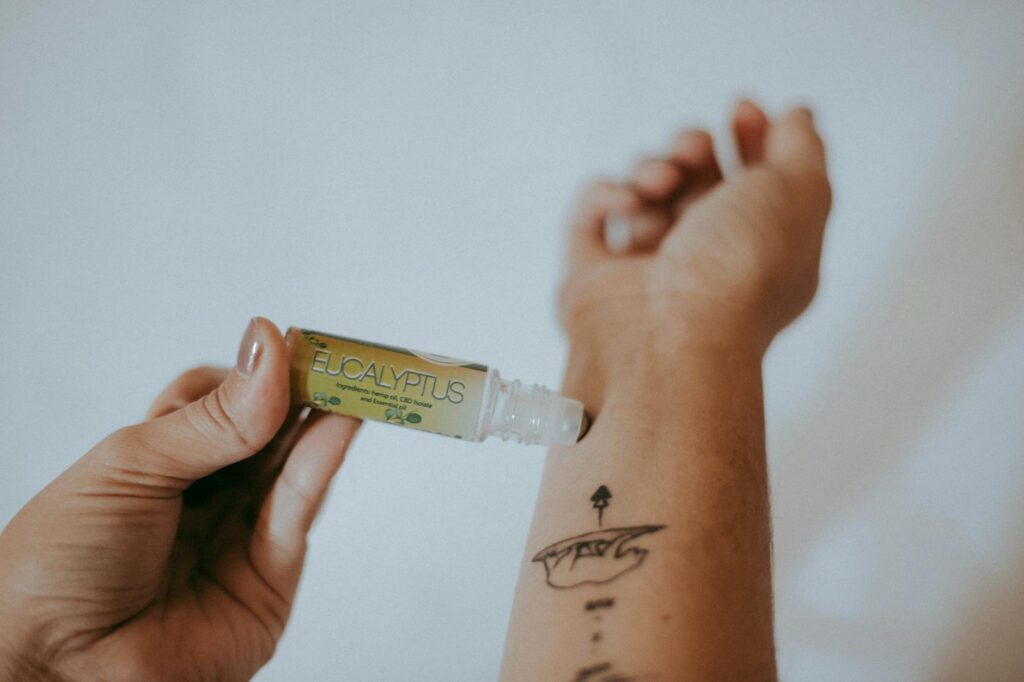
When used topically, neroli oil should always be diluted with a carrier oil, such as jojoba or almond oil, to prevent skin irritation. A typical dilution ratio is about 2-3 drops of neroli oil per teaspoon of carrier oil. This mixture can be applied to pulse points, such as wrists or temples, for a calming effect throughout the day.
3. Bathing
Adding neroli oil to bathwater can transform a simple bath into a luxurious, aromatic experience. Combine a few drops of neroli oil with a carrier oil or an emulsifier like milk or honey to help it disperse in the water. This practice not only relaxes the mind but also nourishes the skin.
4. Inhalation
For immediate stress relief or to uplift mood, inhaling neroli oil directly from the bottle or applying a drop to a tissue and breathing in can be effective. This method provides quick access to its calming effects.
5. Candle Making
Neroli oil can also be used in homemade candles. Adding a few drops of the oil to melted wax can create an aromatic candle that releases its soothing fragrance when lit.
Safety Considerations
While neroli oil is generally considered safe for use, it is essential to follow certain precautions:
1. Dilution: Always dilute neroli oil before topical application to prevent skin irritation.
2. Patch Test: Conduct a patch test by applying a small diluted amount to an inconspicuous area of skin to check for any allergic reactions.
3. Pregnancy and Breastfeeding: Pregnant or breastfeeding women should consult a healthcare provider before using neroli oil.
4. Quality Assurance: Ensure that you purchase high-quality, pure neroli oil from reputable sources to avoid synthetic additives or adulterants.
5. Avoid Ingestion: Neroli oil is not intended for internal use. It should not be ingested unless under the supervision of a qualified practitioner.
Storage and Shelf Life
To maintain the integrity and efficacy of neroli oil, proper storage is crucial. Follow these guidelines:
Frequently Asked Questions
1. Can neroli oil be used in a diffuser?
Yes, neroli oil can be used in a diffuser to create a calming atmosphere. It is often combined with other oils like lavender or bergamot for enhanced effects.
2. Is neroli oil safe for children?
While neroli oil is generally considered safe, it is advisable to consult a healthcare provider before using it with children, particularly for topical application.
3. How do I use neroli oil for skincare?
Neroli oil can be diluted with a carrier oil and applied directly to the skin or added to creams and lotions for its skin-regenerating properties.
4. Can I use neroli oil during pregnancy?
Due to the lack of comprehensive research on the safety of neroli oil during pregnancy, it is best to consult a healthcare provider before use.
5. What other oils blend well with neroli?
Neroli oil blends well with a variety of essential oils, including sandalwood, jasmine, bergamot, and frankincense, creating harmonious and complex aromas.
Conclusion
Neroli oil stands out as a versatile and beneficial essential oil within the realm of aromatherapy. Its soothing aroma and diverse properties make it a valuable addition to various applications, from skincare to emotional well-being. By understanding its uses, benefits, and safety considerations, individuals can harness the power of neroli oil to enhance their daily lives and foster a more balanced emotional state. Whether used in a diffuser or as part of a massage blend, neroli oil continues to be a cherished choice for those seeking tranquility and harmony.