
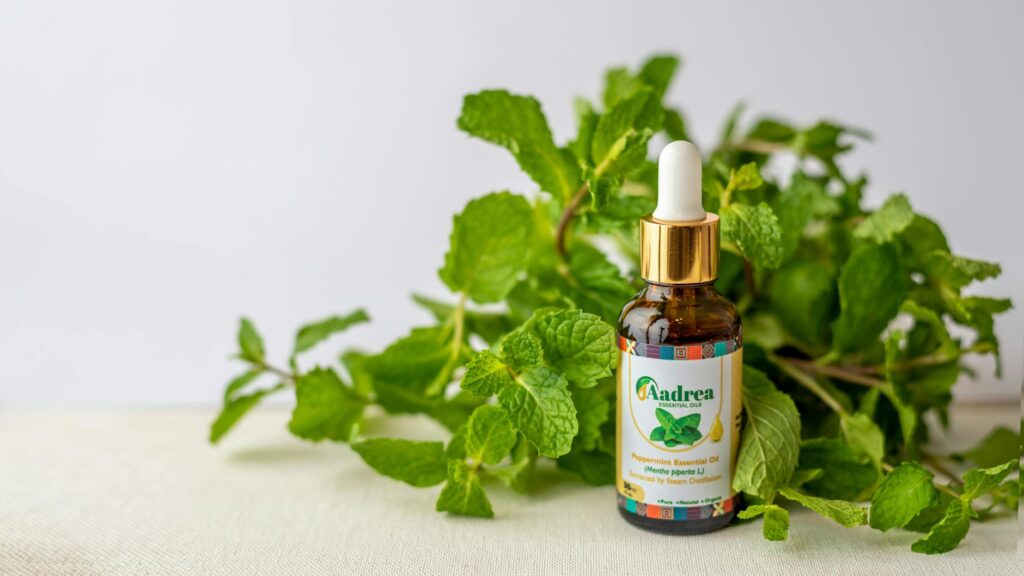
Aromatherapy Uses of Nettle Extract
Introduction
Aromatherapy, an ancient practice that utilizes the aromatic properties of essential oils and plant extracts, has gained immense popularity in recent years. Among the myriad of botanicals used, nettle extract (Urtica dioica) stands out for its rich history and diverse applications. While often overlooked, nettle offers a unique blend of benefits that can enhance the aromatherapy experience. This article delves into the essence of nettle extract, exploring its characteristics, benefits, and applications in aromatherapy.
What Is Nettle Extract?
Nettle extract is derived from the leaves and stems of the nettle plant, which belongs to the Urticaceae family. Commonly found in temperate regions worldwide, nettle is known for its serrated leaves and stinging hairs, which can cause a temporary burning sensation upon contact with skin. Despite this prickly reputation, nettle has been utilized for centuries in folk medicine and culinary practices.
The extraction process typically involves harvesting the fresh or dried leaves, which are then subjected to steam distillation or solvent extraction to yield an oil or tincture that captures the plant’s aromatic compounds. Nettle extract is rich in vitamins, minerals, and bioactive compounds, making it a valuable addition to various wellness practices.
Key Benefits and Properties
Nettle extract is celebrated for its numerous beneficial properties. Though scientific studies on its aromatherapy applications are limited, its traditional uses and associated benefits have been documented over time.
Nutritional Profile
Nettle is rich in vitamins A, C, K, and several B vitamins, as well as minerals such as iron, calcium, magnesium, and potassium. This nutrient density adds to its appeal in holistic health practices.
Anti-Inflammatory Properties
Traditionally, nettle has been used to alleviate inflammatory conditions. Its anti-inflammatory properties may help soothe irritated skin and support overall wellness when used in aromatherapy blends.
Antioxidant Effects
The presence of antioxidants in nettle extract helps combat oxidative stress, making it a potentially valuable addition to products aimed at promoting skin health and vitality.
Mood Enhancement
Some anecdotal evidence suggests that nettle extract may have mood-enhancing properties, contributing to emotional well-being when used in aromatherapy.
Common Uses
Nettle extract has found its way into various applications, encompassing both wellness and beauty routines. Below are some common uses:
Hair Care
Nettle extract is often included in shampoos and conditioners due to its purported ability to strengthen hair and promote scalp health. It may help alleviate dandruff and enhance shine.
Skin Care
In skincare products, nettle extract is valued for its soothing and anti-inflammatory properties. It is often incorporated into lotions, creams, and balms, particularly those designed for sensitive or irritated skin.
Culinary Uses
Beyond aromatherapy, nettle is sometimes used in culinary applications. Its leaves can be cooked or dried to make teas, soups, and herbal infusions, providing a nutritional boost.
Aromatherapy Applications
In the realm of aromatherapy, nettle extract can be utilized in various ways to enhance well-being. Its unique properties make it a versatile component in essential oil blends.
Diffusion
Nettle extract can be added to a diffuser to create an uplifting atmosphere. When blended with complementary essential oils, it may help promote relaxation and relieve stress.
Topical Application
When diluted with a carrier oil, nettle extract can be applied to the skin. This method is often used for targeted relief, such as soothing irritated areas or enhancing the benefits of massage.
Bath Soaks
Adding nettle extract to a warm bath can create a soothing experience. The aromatic compounds may help ease tension and promote relaxation, making it a delightful addition to self-care routines.
Inhalation
Inhalation of nettle-infused steam can be a refreshing way to experience its benefits. This method can be particularly helpful for individuals looking to rejuvenate their senses or relieve feelings of fatigue.
Blend with Other Oils
Nettle extract can be effectively blended with other essential oils, such as lavender, chamomile, or eucalyptus, to create synergistic effects. These blends can enhance relaxation, mood, and overall well-being.
Safety Considerations
While nettle extract is generally considered safe for topical and aromatic use, several factors should be taken into account:
Skin Sensitivity
Due to its natural components, nettle extract may cause skin irritation in some individuals. A patch test is recommended before applying it more broadly.
Pregnancy and Lactation
Pregnant and nursing individuals should exercise caution and consult a qualified health professional before using nettle extract in any form.
Allergies
Individuals with allergies to plants in the Urticaceae family should avoid using nettle extract, as it may trigger allergic reactions.
Dilution
When using nettle extract for topical applications, it is important to dilute it with a suitable carrier oil to minimize the risk of irritation.
Storage and Shelf Life
Proper storage of nettle extract is essential to maintain its potency and effectiveness. Here are some guidelines:
Storage Conditions
Nettle extract should be stored in a cool, dark place, away from direct sunlight and heat sources. This helps preserve its aromatic properties and nutritional benefits.
Container Type
Using dark glass containers for storage can further protect the extract from light, thereby extending its shelf life.
Shelf Life
The shelf life of nettle extract can vary depending on the extraction method and storage conditions. Generally, it can last from one to three years if stored properly. Always check for signs of spoilage, such as changes in aroma or appearance.
Frequently Asked Questions
Can nettle extract be ingested?
While nettle is often used in culinary applications, nettle extract intended for aromatherapy is typically not recommended for ingestion. Always consult with a qualified professional for guidance on dietary uses.
Is nettle extract suitable for children?
Due to the potential for skin sensitivity and allergic reactions, it is advisable to consult a healthcare professional before using nettle extract with children.
How can I incorporate nettle extract into my self-care routine?
Nettle extract can be blended into massage oils, added to bath soaks, or used in a diffuser. Experimenting with different methods can help you find the best application for your needs.
Are there alternatives to nettle extract in aromatherapy?
Yes, there are various other plant extracts and essential oils that can provide similar benefits. Lavender, chamomile, and rosemary are commonly used in aromatherapy for their soothing and uplifting properties.
Can nettle extract be used in combination with other essential oils?
Absolutely! Nettle extract can be combined with other essential oils to create personalized blends that cater to your specific needs and preferences.
Conclusion
Nettle extract offers a unique and multifaceted approach to aromatherapy. With its rich history, diverse applications, and potential benefits, it serves as an intriguing addition to the world of essential oils and plant extracts. By understanding its properties, uses, and safety considerations, individuals can harness the power of nettle extract to enhance their overall well-being and elevate their aromatherapy practices. Whether used in diffusion, topical applications, or bath soaks, nettle extract provides a refreshing and revitalizing experience, inviting users to explore the natural world of aromas.