
Aromatherapy Uses of Niaouli Oil
Introduction
Niaouli oil, derived from the leaves of the Niaouli tree (Melaleuca quinquenervia), has gained recognition in the field of aromatherapy for its versatile properties and soothing aroma. Primarily found in regions like Australia, New Caledonia, and Madagascar, this essential oil is a member of the myrtle family and shares some similarities with tea tree oil. Its unique blend of characteristics makes it a valuable addition to aromatherapy practices, offering a range of benefits that can enhance both physical and emotional well-being.
What Is Niaouli Oil?
Niaouli oil is extracted through steam distillation of the leaves and twigs of the Niaouli tree. The oil has a fresh, medicinal scent that is often described as sweet and slightly eucalyptus-like. This aroma is attributed to its high content of 1,8-cineole, a compound known for its invigorating properties. The oil appears pale yellow to colorless and has a thin consistency, making it easy to blend with other essential oils.
Niaouli trees thrive in tropical and subtropical climates and can grow quite tall, reaching heights of up to 30 meters. The trees are known for their resilience and adaptability, often found in wetlands and coastal areas. Their leaves are evergreen, providing a continuous source of essential oil throughout the year.
Key Benefits and Properties
Niaouli oil is celebrated for its wide array of properties, including:
- Antiseptic: Niaouli oil has powerful antiseptic qualities that can aid in preventing infections.
- Anti-inflammatory: The oil can help reduce inflammation, making it beneficial for various skin conditions.
- Expectorant: Its expectorant properties may assist in relieving respiratory issues by promoting the expulsion of mucus.
- Analgesic: Niaouli oil may provide relief from pain, making it useful in massage blends.
- Antimicrobial: Its ability to combat bacteria and fungi makes it a popular choice for skin care.
- Skin Care: Its antiseptic and anti-inflammatory properties make it suitable for treating minor cuts, blemishes, and acne.
- Respiratory Health: Inhaling its vapors or using it in a diffuser can help clear nasal passages and ease breathing difficulties.
- Aromatherapy Blends: Niaouli oil can be blended with other essential oils for enhanced therapeutic effects, including relaxation and mental clarity.
- Household Products: Its antimicrobial properties make it a valuable ingredient in natural cleaning products.
- Skin Sensitivity: Conduct a patch test before applying Niaouli oil topically, especially for individuals with sensitive skin. Diluting it with a carrier oil can reduce the risk of irritation.
- Pregnancy and Nursing: Pregnant or nursing individuals should exercise caution and consult a healthcare professional before using Niaouli oil.
- Allergic Reactions: As with any essential oil, individuals should be aware of potential allergic reactions. If any adverse reactions occur, discontinue use immediately.
- Children: Use caution when using Niaouli oil around children. It is advisable to consult a healthcare professional for guidance on appropriate use.
- Container: Store Niaouli oil in a dark glass bottle to protect it from light exposure, which can degrade its quality.
- Temperature: Keep the oil in a cool, dry place away from direct sunlight and heat sources.
- Shelf Life: When stored correctly, Niaouli oil typically has a shelf life of 2 to 3 years. However, always check for any changes in aroma, color, or consistency that may indicate spoilage.
These properties contribute to the oil’s versatility in both therapeutic and cosmetic applications.
Common Uses
Niaouli oil is widely used in various domains, including:
Aromatherapy Applications
Niaouli oil can be utilized in numerous ways within aromatherapy practices. Here are some applications:
1. Inhalation
Inhalation is one of the simplest ways to experience the benefits of Niaouli oil. Adding a few drops to a bowl of hot water or using a diffuser can help clear the sinuses and provide a refreshing atmosphere. The oil’s uplifting scent can also promote mental clarity and focus.
2. Topical Application
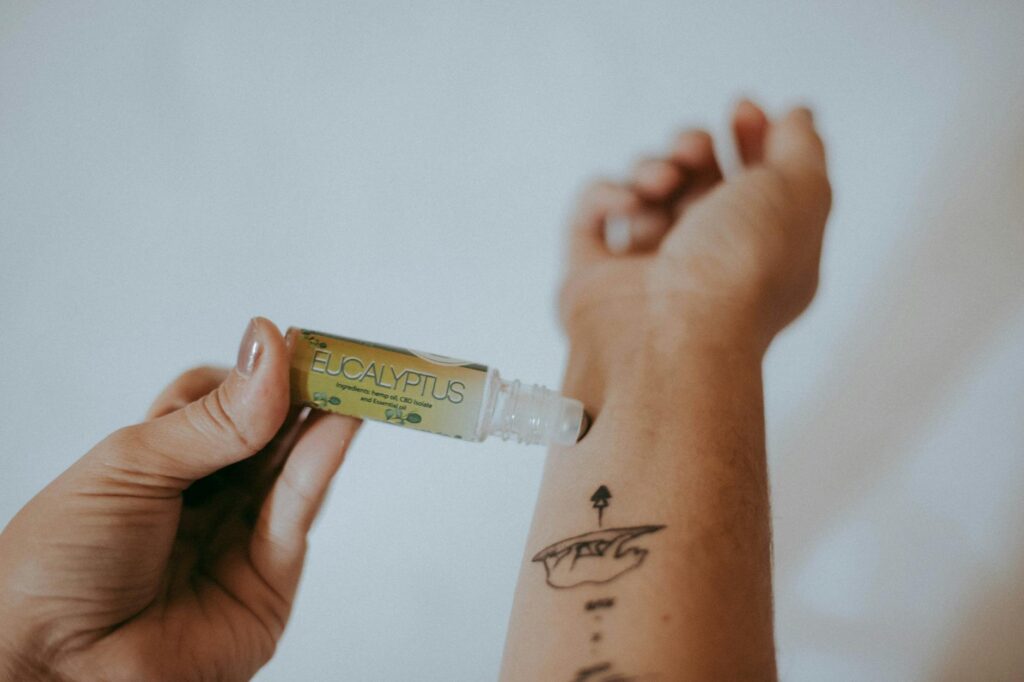
When diluted with a carrier oil such as jojoba or sweet almond oil, Niaouli oil can be applied directly to the skin. This application may help soothe minor skin irritations and support overall skin health. Common dilutions range from 1% to 5%, depending on sensitivity and the area of application.
3. Massage
Incorporating Niaouli oil into massage blends can enhance relaxation and alleviate muscle tension. Combining it with other essential oils such as lavender or eucalyptus can create a soothing experience that promotes overall well-being.
4. Bath
Adding Niaouli oil to a warm bath can create a calming and revitalizing experience. When mixed with an emulsifier like milk or a carrier oil, it can help disperse the oil in water, allowing for a more even distribution and easier absorption.
5. Household Purposes
Due to its antimicrobial properties, Niaouli oil is often included in homemade cleaning products. Adding a few drops to a vinegar solution or a natural all-purpose cleaner can enhance its effectiveness while providing a fresh scent.
Safety Considerations
While Niaouli oil is generally considered safe for use, there are some important safety considerations to keep in mind:
Storage and Shelf Life
To ensure the longevity and effectiveness of Niaouli oil, proper storage is essential. Here are some tips:
Frequently Asked Questions
1. What is the difference between Niaouli oil and Tea Tree oil?
While both Niaouli and Tea Tree oils come from the Melaleuca family, they have different chemical compositions and properties. Niaouli oil is known for its higher levels of 1,8-cineole, giving it distinct properties that may be more effective for respiratory issues, while Tea Tree oil is widely recognized for its powerful antimicrobial effects.
2. Can Niaouli oil be ingested?
Ingesting essential oils is generally not recommended without the guidance of a qualified professional. Niaouli oil, like many essential oils, is primarily used for aromatherapy and topical applications.
3. Is Niaouli oil suitable for all skin types?
While Niaouli oil can benefit many skin types, those with sensitive skin should approach it with caution. Diluting the oil and conducting a patch test can help determine its suitability.
4. Can Niaouli oil help with anxiety or stress?
The uplifting aroma of Niaouli oil may promote mental clarity and focus, which can be beneficial during times of stress. However, responses to essential oils can vary from person to person.
5. Where can I purchase Niaouli oil?
Niaouli oil can be found at health food stores, specialty aromatherapy shops, and online retailers. It is essential to choose a reputable brand that offers high-quality, pure essential oils.
Conclusion
Niaouli oil stands out as a versatile and beneficial essential oil within the world of aromatherapy. With its refreshing aroma and numerous properties, it offers a wide range of applications for both physical and emotional well-being. As with any essential oil, responsible use and proper safety precautions are vital to maximizing its benefits. Whether you are an experienced aromatherapy practitioner or a newcomer, Niaouli oil can be a valuable addition to your essential oil collection.