
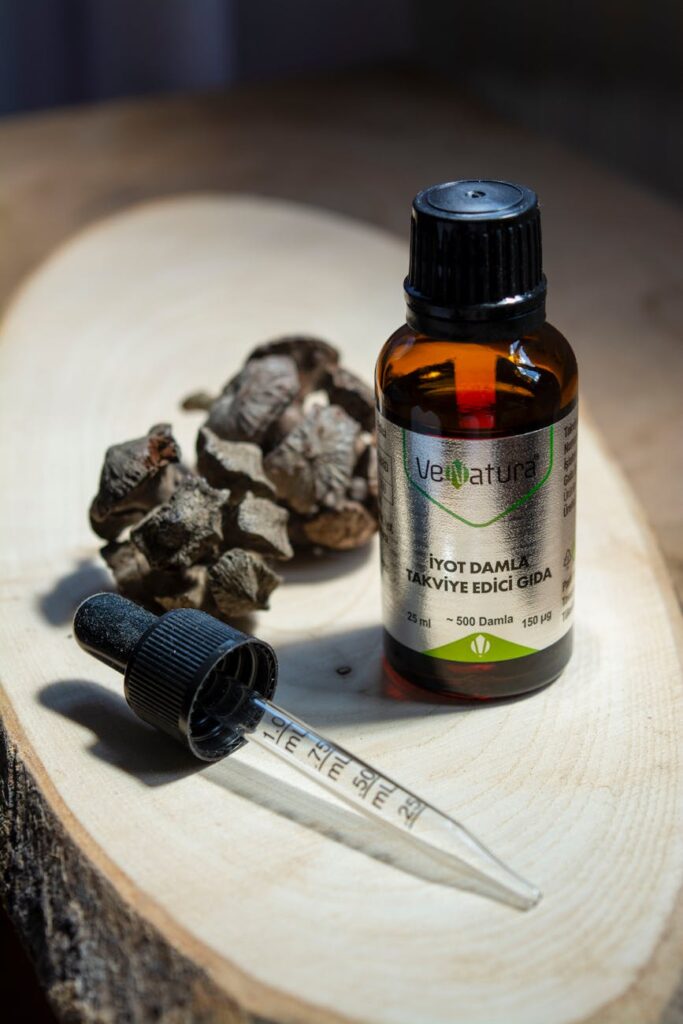
Aromatherapy Uses of Noni Extract
Introduction
Aromatherapy, the practice of using essential oils and aromatic compounds for therapeutic benefits, has gained considerable popularity in recent years. Among the myriad of natural substances leveraged for their potential wellness benefits, noni extract stands out as a noteworthy option. This article delves into the properties, benefits, and applications of noni extract within the realm of aromatherapy.
What Is Noni Extract?
Noni extract is derived from the fruit of the Morinda citrifolia tree, a tropical plant native to Southeast Asia and Australasia. Often referred to as “noni,” the fruit has been utilized for centuries in traditional medicine, particularly in Polynesian cultures. It has gained recognition in modern wellness practices for its rich phytochemical profile, which includes vitamins, minerals, and various bioactive compounds.
The extraction process typically involves either pressing the fruit to obtain its juice or using the dried fruit to create a concentrated extract. Noni extract possesses a distinct, earthy aroma that can vary in intensity, making it suitable for a range of aromatherapy applications.
Key Benefits and Properties
Noni extract is celebrated for its diverse range of bioactive compounds, including:
1. Antioxidants: Noni is rich in antioxidants such as vitamin C and various phytochemicals that help combat oxidative stress in the body.
2. Anti-inflammatory Properties: Some studies suggest that noni extract may exhibit anti-inflammatory effects, which could contribute to overall wellness when used in aromatherapy.
3. Immune Support: The presence of certain compounds in noni may help bolster the immune system, although more research is needed to fully understand this benefit.
4. Mood Enhancement: The aromatic profile of noni may promote relaxation and improve mood, making it a popular choice in stress-relief applications.
5. Skin Benefits: Noni extract is often included in skincare formulations due to its moisturizing properties and potential to soothe skin irritations.
Common Uses
Noni extract has a variety of applications, both in traditional practices and contemporary wellness routines. Common uses include:
- Dietary Supplement: Many people consume noni juice or capsules for purported health benefits.
- Topical Applications: Noni extract can be found in lotions and creams aimed at moisturizing and nourishing the skin.
- Natural Remedies: In some cultures, noni is used in traditional remedies for ailments ranging from digestive issues to skin conditions.
- Allergies: Individuals should conduct a patch test before using noni extract topically to ensure they do not have an allergic reaction.
- Pregnancy and Nursing: Pregnant or nursing women should consult a healthcare professional before using noni extract, as research on its safety in these populations is limited.
- Interactions: Noni extract may interact with certain medications. Individuals taking prescription drugs should consult a healthcare provider prior to use.
- Quality of Product: The quality of noni extract can vary significantly between brands. It is advisable to choose products from reputable sources that provide third-party testing for purity and potency.
- Cool, Dark Place: Store noni extract in a cool, dark place away from direct sunlight and heat sources. This helps preserve its bioactive compounds and aromatic properties.
- Tightly Sealed Containers: Keep noni extract in tightly sealed containers to prevent oxidation and contamination.
- Shelf Life: The shelf life of noni extract can vary depending on the form and manufacturer. Generally, it is advisable to use it within one to two years of purchase for optimal benefits.
Aromatherapy Applications
In the field of aromatherapy, noni extract can be utilized in several ways:
1. Diffusion
One of the simplest methods of incorporating noni extract into aromatherapy is through diffusion. Using an essential oil diffuser, noni extract can be blended with other essential oils such as lavender or eucalyptus, creating a calming atmosphere. The warm, earthy scent can help promote relaxation, making it ideal for use during meditation or yoga sessions.
2. Massage Oils
Noni extract can be combined with carrier oils like sweet almond or jojoba oil to create a soothing massage oil. The combination of noni’s moisturizing properties and the therapeutic benefits of the massage can enhance relaxation and alleviate muscle tension.
3. Bath Soaks
Adding noni extract to a warm bath can create a luxurious spa experience. When combined with Epsom salts and other essential oils, it can provide a holistic approach to relaxation, helping to ease stress and fatigue.
4. Skin Care
In aromatherapy, noni extract is often included in skin care formulations. Its hydrating properties can help improve skin texture when applied topically. Blending noni extract with essential oils like tea tree or frankincense may enhance its benefits for skin health.
5. Inhalation
Direct inhalation of noni extract can provide a quick way to experience its aromatic benefits. Adding a few drops to a handkerchief or cotton ball allows individuals to inhale the scent for a brief mood lift or stress relief.
Safety Considerations
While noni extract is generally considered safe for use in aromatherapy, it is important to observe a few safety precautions:
Storage and Shelf Life
To ensure the longevity and efficacy of noni extract, proper storage is essential:
Frequently Asked Questions
1. Can noni extract be ingested?
While noni extract is commonly consumed in juice or capsule form, it is essential to follow the recommended dosages and consult a healthcare provider if unsure.
2. Is noni extract safe for children?
The safety of noni extract in children has not been extensively studied. It is advisable to consult a healthcare professional before administering noni extract to minors.
3. How does noni extract compare to other essential oils?
Noni extract has a unique phytochemical profile that sets it apart from traditional essential oils. While it may not be as widely known as oils like lavender or eucalyptus, it offers distinct benefits and can be effectively combined with these oils for enhanced effects.
4. Can I blend noni extract with other essential oils?
Yes, noni extract can be blended with various essential oils to create custom aromatic experiences. Pairing it with oils like bergamot or sandalwood can create delightful synergies.
5. Where can I purchase high-quality noni extract?
High-quality noni extract can be found in health food stores, specialty wellness shops, and online retailers. Always check for third-party testing and reviews to ensure product quality.
Conclusion
Noni extract is a versatile and intriguing addition to the world of aromatherapy. With its unique scent and array of potential benefits, it offers a holistic approach to wellness. By understanding its properties, safe usage, and applications, individuals can harness the advantages of noni extract for a more balanced lifestyle. As with any natural product, it is essential to use it mindfully and consult professionals when necessary.