
Aromatherapy Uses of Orange Oil Safety
Introduction
Aromatherapy, a holistic practice that utilizes essential oils to promote physical, mental, and emotional well-being, has gained popularity over the years. One of the most celebrated and versatile essential oils in this field is orange oil, derived from the peels of sweet oranges (Citrus sinensis). Known for its uplifting aroma and numerous applications, orange oil has found its place in various wellness routines. However, understanding the safety aspects of using orange oil is crucial for maximizing its benefits while minimizing potential risks.
What Is Orange Oil Safety?
Orange oil safety refers to the guidelines and precautions one should observe when using orange oil in aromatherapy. This encompasses understanding its composition, potential irritants, and appropriate methods of use. While orange oil is generally recognized as safe for many applications, it is essential to be informed about its properties and how to use it responsibly.
Key Benefits and Properties
Orange oil is rich in beneficial compounds, including monoterpenes, particularly limonene, which contributes to its characteristic scent and therapeutic properties. Some key benefits of orange oil include:
- Mood Enhancement: The uplifting aroma of orange oil is often associated with reducing feelings of anxiety and depression. It is commonly used to create a cheerful and stimulating environment.
- Antimicrobial Properties: Orange oil has demonstrated antimicrobial effects, making it useful for cleansing and purifying spaces.
- Digestive Aid: While not a substitute for medical treatment, orange oil is traditionally believed to support digestive health when used properly.
- Skin Benefits: Orange oil is sometimes utilized in skincare for its potential to improve skin tone and texture.
- Diffusion: Adding a few drops of orange oil to a diffuser can create an uplifting atmosphere in any space.
- Topical Applications: When diluted with a carrier oil, orange oil can be used in massages or added to skincare products.
- Household Cleaning: Its antimicrobial properties make orange oil a popular choice in natural cleaning products.
- Culinary Uses: Food-grade orange oil can be used to flavor dishes and beverages, although caution should be exercised regarding its concentration.
- Dilution: Always dilute orange oil with a carrier oil before applying it to the skin. A common dilution ratio is 2-3 drops of essential oil per teaspoon of carrier oil.
- Patch Testing: Conduct a patch test before using orange oil on the skin to check for any allergic reactions. Apply a small amount of diluted oil to an inconspicuous area and monitor for 24 hours.
- Photosensitivity: Orange oil can cause skin sensitivity to sunlight (photosensitivity). Avoid sun exposure for at least 12 hours after topical application. This is particularly important for individuals with fair skin or those who are prone to sunburn.
- Pregnancy and Nursing: Pregnant or nursing individuals should consult with a healthcare provider before using essential oils, including orange oil.
- Children and Pets: Caution is advised when using orange oil around children and pets. Always consult a qualified professional if in doubt.
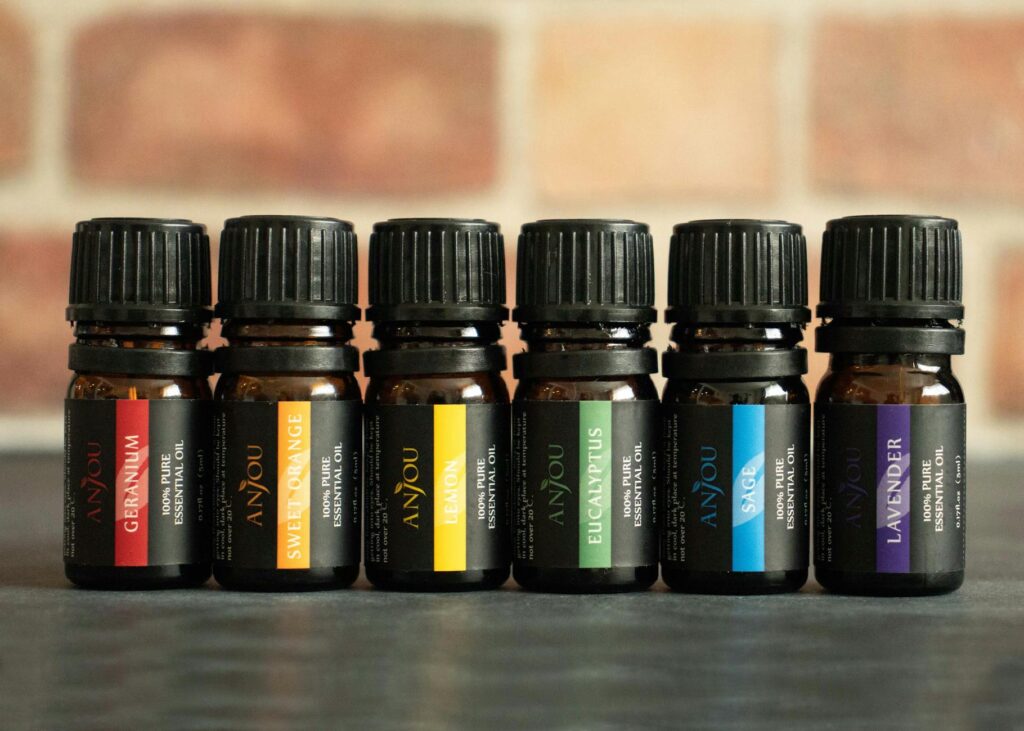
- Container: Store orange oil in a dark glass bottle to protect it from light exposure, which can degrade its quality.
- Temperature: Keep the oil in a cool, dry place away from direct sunlight and heat sources.
- Shelf Life: When stored correctly, orange oil typically has a shelf life of 1-2 years. However, it’s advisable to check for any changes in aroma or appearance before use.
Common Uses
Orange oil’s versatility allows it to be incorporated into various practices, including:
Aromatherapy Applications
In aromatherapy, orange oil is employed in several ways to harness its benefits:
1. Stress Relief: Inhalation of orange oil can promote relaxation and reduce stress levels, making it ideal for use during meditation or yoga.
2. Mood Booster: Orange oil can be blended with other essential oils, such as lavender or bergamot, to enhance its mood-lifting properties.
3. Sleep Aid: A few drops of orange oil in a diffuser before bedtime may create a calming environment conducive to sleep.
Safety Considerations
While orange oil is generally considered safe for many people, certain precautions should be observed:
Storage and Shelf Life
Proper storage of orange oil is essential to maintain its efficacy and safety:
Frequently Asked Questions
1. Can orange oil be ingested safely?
While food-grade orange oil can be ingested, it is crucial to use it sparingly and consult with a professional before doing so. Overconsumption can lead to adverse effects.
2. Is orange oil safe for children?
Orange oil can be used around children, but it should always be well-diluted and used with caution. Consulting with a healthcare provider is recommended.
3. What is the difference between sweet and bitter orange oil?
Sweet orange oil is derived from the peels of the sweet orange fruit and is commonly used in aromatherapy. Bitter orange oil comes from the bitter orange tree and is often used in culinary applications and natural remedies.
4. Can orange oil help with anxiety?
Many individuals report that the uplifting scent of orange oil helps to alleviate feelings of anxiety. However, it is important to remember that individual reactions can vary, and it should not replace professional treatment for anxiety disorders.
5. What should I do if I experience skin irritation from orange oil?
If you experience any skin irritation after using orange oil, discontinue use immediately and wash the area with soap and water. If irritation persists, consult a healthcare provider.
Conclusion
Orange oil is a popular and versatile essential oil with a range of applications in aromatherapy. Understanding its safety considerations is vital for ensuring a positive experience. By following recommended guidelines for dilution, storage, and usage, individuals can enjoy the many benefits of orange oil while minimizing any associated risks. Whether used for mood enhancement, cleansing, or relaxation, this essential oil can be a delightful addition to any wellness routine.