
Aromatherapy Uses of Patchouli Oil
Introduction
Aromatherapy is a holistic approach that utilizes the natural fragrance of essential oils to enhance physical, emotional, and spiritual well-being. Among the diverse array of essential oils available, patchouli oil stands out due to its distinctive earthy aroma and a range of benefits. This article delves into the various facets of patchouli oil, its properties, applications, and safety considerations in the context of aromatherapy.
What Is Patchouli Oil?
Patchouli oil is derived from the leaves of the Pogostemon cablin plant, a perennial herb belonging to the mint family. Native to Southeast Asia, particularly Indonesia and the Philippines, patchouli has been used for centuries in traditional medicine and perfumery. The oil is extracted through steam distillation of the dried leaves, resulting in a thick, dark liquid with a rich, musky scent.
The oil has gained popularity in various cultures, often associated with peace, tranquility, and grounding. Its unique aroma is a key reason it is commonly used in perfumes, incense, and scented products.
Key Benefits and Properties
Patchouli oil possesses a range of beneficial properties, making it a valuable addition to the world of aromatherapy. Here are some of its key attributes:
1. Grounding and Centering
Patchouli oil is often used for its grounding effects, helping to promote a sense of stability and balance. Its rich, earthy scent can evoke feelings of calmness and serenity, making it a popular choice for meditation and mindfulness practices.
2. Mood Enhancer
The sweet, musky aroma of patchouli oil is believed to have uplifting properties that can help alleviate feelings of stress, anxiety, and depression. It can create a soothing atmosphere, encouraging relaxation and emotional well-being.
3. Anti-inflammatory and Antiseptic Properties
While not to be construed as medical advice, patchouli oil is often noted for its potential anti-inflammatory and antiseptic properties. This makes it a popular choice in skin care formulations, although further research is needed to support these claims.
4. Aphrodisiac Qualities
Historically, patchouli has been regarded as an aphrodisiac. Its warm, musky scent is thought to enhance sensuality and intimacy, making it a popular ingredient in romantic blends.
5. Insect Repellent
The strong scent of patchouli oil is often used in natural insect repellents. Its aroma may deter pests, making it a practical choice for outdoor gatherings.
Common Uses
Patchouli oil is versatile and can be incorporated into various practices and products. Here are some common applications:
1. Diffusion
Using a diffuser, patchouli oil can be dispersed into the air, creating an inviting and calming environment. This is beneficial for enhancing mood and promoting relaxation in spaces like homes, yoga studios, or spas.
2. Massage
Diluted with a carrier oil, patchouli oil can be used in massage therapy. Its grounding properties can enhance the overall experience, promoting relaxation and stress relief.
3. Bathing
Adding a few drops of patchouli oil to a warm bath can create a luxurious, aromatic experience. It may help to soothe the mind and body, making it an ideal choice for a self-care ritual.
4. Skincare
Patchouli oil is often found in skincare products due to its potential benefits for the skin. It is commonly used in creams, lotions, and hair care formulations, although it should always be diluted appropriately.
5. Perfume and Fragrance
The rich, musky aroma of patchouli oil is a popular base note in perfumery. It can be blended with other essential oils to create unique, personalized fragrances.
Aromatherapy Applications
In the realm of aromatherapy, patchouli oil can be utilized in various ways to enhance its benefits:
1. Meditation and Mindfulness
For those seeking to deepen their meditation practice, patchouli oil can be used during sessions to create a calming atmosphere. A few drops on a cotton ball or in a diffuser can help set the mood.
2. Sleep Support
Incorporating patchouli oil into bedtime routines can aid in creating a tranquil environment conducive to restful sleep. Diffusing the oil or adding it to a sleep pillow can promote relaxation.
3. Emotional Balance
Patchouli oil can be blended with other essential oils, such as lavender or bergamot, for a balanced aroma that supports emotional health. This synergy can enhance the overall aromatherapy experience.
4. Spiritual Rituals
In many cultures, patchouli oil is used in spiritual practices to promote mindfulness, intention-setting, and connection to the earth. Its grounding properties can support spiritual exploration and reflection.
Safety Considerations
When using patchouli oil, it is essential to adhere to safety guidelines:
1. Dilution
Patchouli oil should always be diluted with a carrier oil before topical application to minimize the risk of skin irritation. A common dilution ratio is 2-3 drops of essential oil per teaspoon of carrier oil.
2. Sensitivity
Individuals with sensitive skin or specific allergies should conduct a patch test before using patchouli oil topically. If irritation occurs, discontinue use immediately.
3. Pregnancy and Nursing
While patchouli oil is generally considered safe when used appropriately, pregnant or nursing individuals should consult with a qualified professional before using essential oils.
4. Storage
Store patchouli oil in a cool, dark place, away from direct sunlight and heat. Proper storage can help maintain its quality and potency.
Storage and Shelf Life
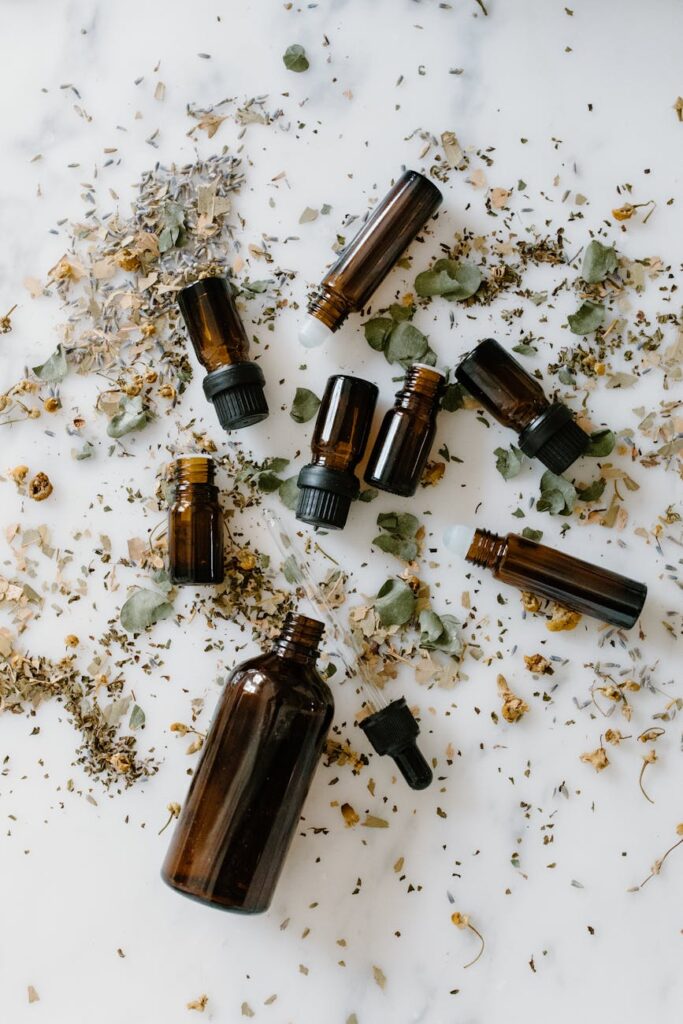
Patchouli oil has a relatively long shelf life, typically lasting around 3-5 years when stored correctly. The oil should be kept in a dark glass bottle to protect it from light degradation. Ensure the bottle is tightly sealed to prevent oxidation.
Frequently Asked Questions
1. What is the best way to use patchouli oil?
Patchouli oil can be used in various ways, including in a diffuser, during massages, or added to baths. Its versatility allows for personal preference in application.
2. Can patchouli oil be used on the skin?
Yes, patchouli oil can be used on the skin when diluted with a carrier oil. Always perform a patch test to check for sensitivity.
3. Is patchouli oil safe for children?
Consultation with a qualified professional is recommended before using essential oils on children, as their skin may be more sensitive.
4. What other oils blend well with patchouli?
Patchouli oil blends well with a variety of other essential oils, including lavender, sandalwood, orange, and ylang-ylang, creating balanced and harmonious fragrances.
5. Where can I buy patchouli oil?
Patchouli oil is widely available at health food stores, specialty shops, and online retailers. Ensure you choose a reputable source to guarantee the quality of the oil.
Conclusion
Patchouli oil is a multifaceted essential oil with a rich history and a variety of applications in aromatherapy. Its grounding properties, coupled with its unique aroma, make it a valuable tool for promoting emotional well-being and enhancing daily rituals. By understanding its benefits, uses, and safety considerations, individuals can effectively integrate patchouli oil into their aromatherapy practices. Whether used for relaxation, spiritual exploration, or enhancing beauty routines, patchouli oil continues to be a cherished component of holistic wellness.