
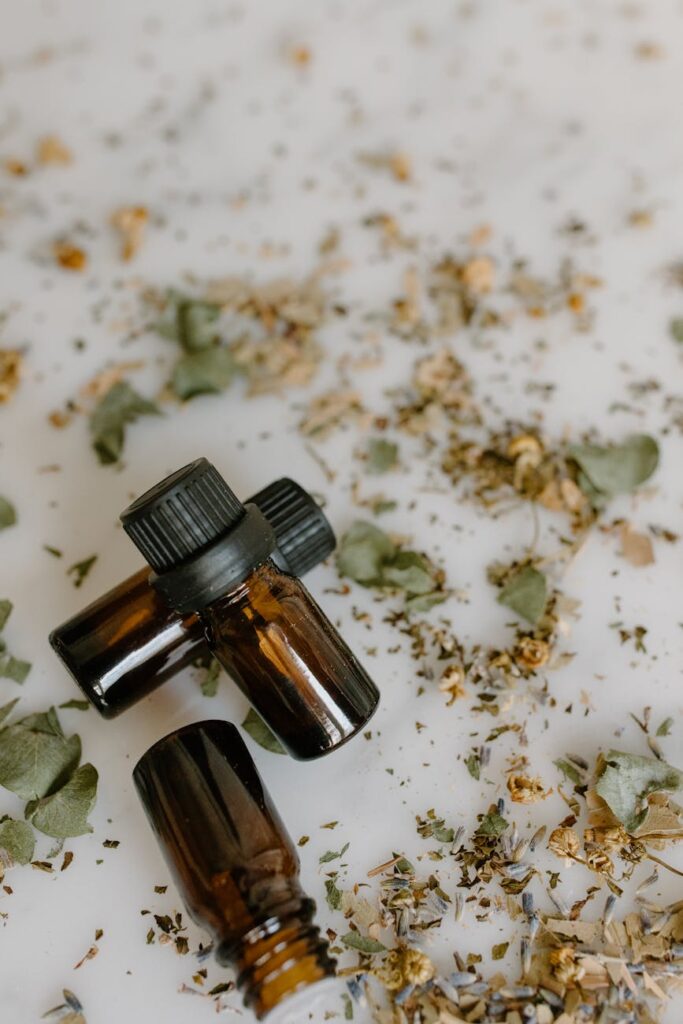
Aromatherapy Uses of Peppermint Essential Oil
Introduction
Aromatherapy, a holistic healing practice that utilizes essential oils extracted from plants, has gained significant popularity for its potential benefits in enhancing physical and emotional well-being. Among the various essential oils available, peppermint essential oil stands out for its invigorating scent and versatile applications. This article aims to explore the characteristics, benefits, common uses, and safety considerations associated with peppermint essential oil in the context of aromatherapy.
What Is Peppermint Essential Oil?
Peppermint essential oil (Mentha × piperita) is derived from the leaves of the peppermint plant, a hybrid species of spearmint and watermint. The oil is extracted through steam distillation, capturing the plant’s aromatic compounds. Known for its refreshing, minty scent, peppermint essential oil is characterized by its high menthol content, which contributes to its cooling sensation and distinctive aroma.
The peppermint plant thrives in temperate climates and is widely cultivated in many regions around the world. Its essential oil has been used for centuries in various cultures for culinary, medicinal, and aromatic purposes.
Key Benefits and Properties
Peppermint essential oil is celebrated for its numerous properties, which include:
1. Refreshing and Uplifting: The invigorating aroma of peppermint is known to stimulate the senses, making it a popular choice for promoting alertness and concentration.
2. Cooling Sensation: The menthol content provides a natural cooling effect, which can be soothing when applied topically or inhaled.
3. Digestive Support: While not a substitute for professional medical advice, peppermint oil has traditionally been associated with digestive comfort.
4. Muscle Relief: The oil is often used in topical applications for its potential to relieve minor aches and discomfort in muscles and joints.
5. Respiratory Aid: Inhalation of peppermint oil may help open up the airways, making it a common choice for respiratory support.
6. Mood Enhancer: The scent of peppermint is said to help relieve feelings of stress and anxiety, promoting an overall sense of well-being.
Common Uses
Peppermint essential oil is versatile and can be used in various ways, including:
1. Diffusion: Adding a few drops to a diffuser can create an uplifting atmosphere, ideal for workspaces or study areas.
2. Topical Application: When diluted with a carrier oil, peppermint essential oil can be applied to the skin for localized relief or refreshing sensations.
3. Bath Additive: A few drops in a warm bath can create a soothing experience, enhancing relaxation while invigorating the senses.
4. Inhalation: Placing a drop or two on a tissue or cotton ball and inhaling can provide immediate refreshment and support.
5. DIY Products: Peppermint oil can be incorporated into homemade cleaners, candles, soaps, and beauty products for its aromatic and cleansing properties.
Aromatherapy Applications
Peppermint essential oil can be incorporated into various aromatherapy practices, including:
1. Stress Relief
To alleviate stress and promote relaxation, peppermint oil can be blended with calming oils such as lavender or chamomile in a diffuser. The stimulating yet soothing properties of peppermint help balance mood and enhance emotional clarity.
2. Cognitive Enhancement
In workplaces or study environments, diffusing peppermint oil may assist in improving focus and concentration. Its refreshing scent can help reduce mental fatigue and increase alertness.
3. Respiratory Support
For those experiencing seasonal discomfort, inhaling peppermint oil can provide a sensation of openness in the airways. Combining it with eucalyptus or tea tree oil in a diffuser can enhance this effect.
4. Digestive Well-being
While not a substitute for professional guidance, peppermint oil is often included in blends designed to support digestive comfort. Inhalation of its scent before or after meals may provide a sense of ease.
5. Muscle Relief
Diluting peppermint essential oil with a carrier oil and massaging it into sore muscles may provide a cooling sensation and temporary relief. Combining it with oils like eucalyptus or rosemary can enhance its effectiveness.
Safety Considerations
While peppermint essential oil is generally considered safe for most individuals, there are important safety considerations to keep in mind:
1. Dilution: Always dilute peppermint oil with a carrier oil (such as jojoba, coconut, or olive oil) before applying it to the skin to prevent irritation.
2. Patch Test: Conduct a patch test on a small area of skin before widespread use to ensure no allergic reactions occur.
3. Pregnancy and Nursing: Pregnant or nursing individuals should consult with a healthcare professional before using peppermint essential oil.
4. Children: Use caution when applying peppermint oil around young children. It is advisable to consult a healthcare provider for guidance on safe usage.
5. Medical Conditions: Individuals with certain medical conditions (e.g., epilepsy, asthma, or skin sensitivities) should seek advice from a healthcare professional before using peppermint oil.
Storage and Shelf Life
Proper storage is essential to maintain the quality of peppermint essential oil. To ensure longevity:
1. Cool, Dark Place: Store the oil in a cool, dark environment, away from direct sunlight and heat, which can degrade its properties.
2. Airtight Containers: Use dark glass bottles with airtight lids to minimize exposure to air and light.
3. Shelf Life: When stored correctly, peppermint essential oil typically has a shelf life of 3 to 5 years. Check for any changes in scent or consistency before use.
Frequently Asked Questions
1. Can I ingest peppermint essential oil?
Ingestion of essential oils is not recommended without the guidance of a qualified healthcare professional. Peppermint essential oil is primarily used for topical and aromatic applications.
2. Is peppermint essential oil safe for pets?
Essential oils can be potent and may not be safe for all pets. It is advisable to consult with a veterinarian before using peppermint oil in environments shared with animals.
3. How can I incorporate peppermint essential oil into my skincare routine?
Peppermint oil can be added to carrier oils or creams for skin applications. However, it should always be diluted to avoid irritation, and a patch test is recommended.
4. Can peppermint essential oil help with headaches?
Many individuals report that inhaling or applying diluted peppermint oil to the temples can provide a soothing effect for tension headaches. However, results can vary, and it should not replace medical advice.
5. How do I use peppermint essential oil in a diffuser?
Add 3-5 drops of peppermint essential oil to your diffuser along with water, following the manufacturer’s instructions. Adjust the number of drops based on your personal preference and the size of the room.
Conclusion
Peppermint essential oil is an invaluable addition to the world of aromatherapy, known for its invigorating scent and multifaceted applications. From enhancing focus to providing relief from minor discomforts, its benefits are numerous and diverse. However, it is essential to use peppermint oil responsibly and with consideration for individual sensitivities. Whether you are new to aromatherapy or an experienced practitioner, incorporating peppermint essential oil into your routine can offer a refreshing and uplifting experience.