
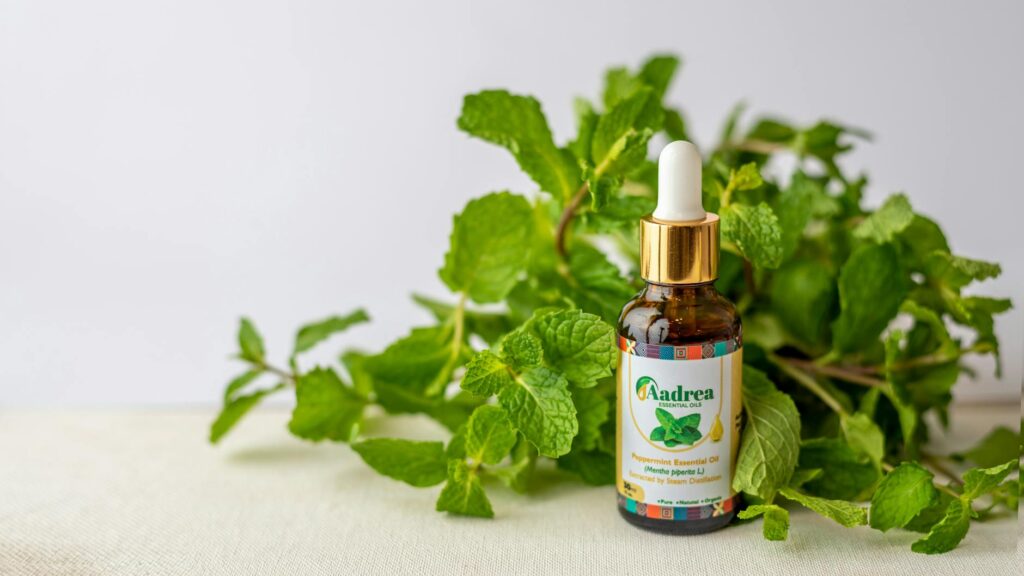
Aromatherapy Uses of Peppermint Oil Safety
Introduction
Peppermint oil, derived from the peppermint plant (Mentha × piperita), has been utilized for centuries in various cultures for its distinctive aroma and therapeutic properties. As a popular essential oil in the realm of aromatherapy, peppermint oil offers a wide range of applications, from enhancing mood to alleviating discomfort. However, understanding its safety and proper usage is paramount to maximizing its benefits while minimizing risks. This article delves into the safety aspects of peppermint oil, exploring its benefits, common uses, and essential precautions.
What Is Peppermint Oil Safety?
Peppermint oil safety pertains to the responsible use of the oil to ensure that it is effective without causing adverse reactions or harm. This includes understanding its chemical composition, potential side effects, and appropriate methods of application. Safety guidelines are essential, particularly for individuals with specific health conditions, pregnant or breastfeeding women, and children.
The chemical constituents of peppermint oil, primarily menthol and menthone, contribute to its therapeutic effects but can also pose risks if misused. It is essential to approach peppermint oil with knowledge and respect to ensure a safe and beneficial experience.
Key Benefits and Properties
Peppermint oil is known for its myriad of benefits, which can be attributed to its unique chemical composition. Here are some of its notable properties:
1. Analgesic Properties
Peppermint oil is often lauded for its ability to alleviate pain, particularly headaches and muscle soreness. The cooling effect of menthol provides temporary relief by numbing the area and increasing circulation.
2. Digestive Aid
The oil is commonly used to support digestive health. It may help relieve symptoms of indigestion, gas, and bloating, making it a favorite among those seeking natural remedies for gastrointestinal discomfort.
3. Mental Clarity and Alertness
Aromatherapy with peppermint oil can invigorate the mind, enhancing mental clarity and concentration. Its refreshing scent may help combat fatigue and improve overall cognitive function.
4. Respiratory Support
The oil’s cooling and clearing properties make it useful for respiratory health. Inhalation of peppermint oil may aid in opening airways and easing breathing, especially during colds or allergies.
5. Mood Enhancement
Peppermint oil is often used in aromatherapy for its uplifting qualities. Its fresh scent can help alleviate feelings of stress and anxiety, promoting a sense of well-being.
Common Uses
Peppermint oil can be employed in various ways, both in aromatherapy and beyond. Here are some common applications:
1. Diffusion
Using a diffuser, peppermint oil can be dispersed into the air, allowing its aroma to fill a room. This method is popular for uplifting mood and enhancing focus.
2. Topical Application
When diluted with a carrier oil, peppermint oil can be applied to the skin. This is especially effective for localized pain relief and digestive support.
3. Inhalation
Inhaling peppermint oil directly from the bottle or using a cotton ball can provide immediate relief for headaches and respiratory issues.
4. Bath Additive
Adding a few drops of peppermint oil to a warm bath can create a soothing experience, promoting relaxation and easing muscle tension.
5. Hair Care
Peppermint oil is sometimes included in hair products for its invigorating qualities. It may promote scalp health and enhance hair growth.
Aromatherapy Applications
In the field of aromatherapy, peppermint oil is a versatile component that can be blended with various other essential oils. Some popular combinations include:
1. Peppermint and Lavender
This combination is effective for relaxation while still providing the uplifting qualities of peppermint. It can be used in a diffuser or for massage.
2. Peppermint and Eucalyptus
Combining peppermint with eucalyptus oil can enhance respiratory benefits. This blend is often used in steam inhalation for colds and allergies.
3. Peppermint and Citrus Oils
Mixing peppermint with citrus oils like orange or lemon can create an energizing blend that is refreshing and uplifting.
Safety Considerations
While peppermint oil is generally considered safe for most people, certain precautions should be observed:
1. Dilution
Essential oils should always be diluted before topical application. A common dilution ratio is 2-3 drops of peppermint oil per teaspoon of carrier oil (such as coconut or jojoba oil).
2. Patch Testing
Before using peppermint oil on the skin, conduct a patch test. Apply a diluted drop to a small area and wait 24 hours to check for any adverse reactions.
3. Sensitive Groups
Individuals who are pregnant, breastfeeding, or have specific health conditions (such as epilepsy) should consult a healthcare professional before using peppermint oil.
4. Children
Peppermint oil is not recommended for children under the age of 2. For older children, always ensure proper dilution and consult with a pediatrician.
5. Avoiding Sensitive Areas
Peppermint oil should not be applied near the eyes, mucous membranes, or broken skin, as it can cause irritation.
6. Ingestion
Ingesting peppermint oil is not recommended unless under the guidance of a qualified healthcare practitioner. High concentrations can lead to toxicity.
Storage and Shelf Life
Proper storage of peppermint oil is crucial to maintaining its efficacy. Here are some guidelines:
1. Cool, Dark Place
Store peppermint oil in a cool, dark place away from direct sunlight. Exposure to light and heat can degrade the oil’s quality.
2. Sealed Containers
Keep peppermint oil in tightly sealed containers to prevent oxidation. Glass bottles with dropper tops are an excellent choice.
3. Shelf Life
When stored correctly, peppermint oil typically has a shelf life of 1 to 3 years. Always check for changes in aroma or consistency before use.
Frequently Asked Questions
1. Can I use peppermint oil for headaches?
Yes, many people use peppermint oil for headache relief. It can be applied topically to the temples or inhaled for its soothing properties.
2. Is peppermint oil safe for pets?
Caution should be exercised when using peppermint oil around pets. Consult with a veterinarian before using essential oils in a pet-friendly environment.
3. Can I use peppermint oil in cooking?
While culinary-grade peppermint oil is available, it is advisable to use it sparingly and consult with a professional before incorporating it into food.
4. What should I do if I experience a reaction?
If you experience any adverse reaction to peppermint oil, discontinue use immediately and consult a healthcare professional if symptoms persist.
5. How can I enhance my sleep with peppermint oil?
While peppermint oil is invigorating, it may not be the best choice for sleep. Consider blending it with calming oils like lavender for a more soothing effect.
Conclusion
Peppermint oil is a remarkable essential oil with a rich history and a wide array of applications in aromatherapy. While its benefits are numerous, understanding safety considerations is essential for effective use. By following proper guidelines for dilution, application, and storage, users can enjoy the invigorating properties of peppermint oil while ensuring a safe and beneficial experience. As with all essential oils, informed use is the key to harnessing their full potential in daily life.