
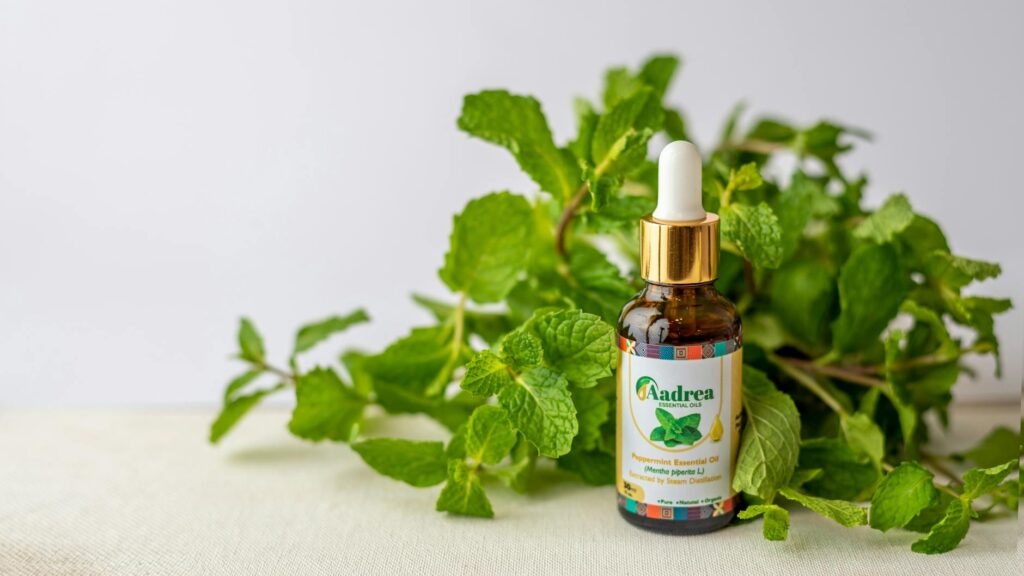
Aromatherapy Uses of Peppermint Oil
Introduction
Aromatherapy, the practice of using essential oils for therapeutic benefits, has gained popularity worldwide. Among the myriad of essential oils available, peppermint oil stands out for its versatile applications and invigorating scent. This article explores the origins, benefits, and various uses of peppermint oil in aromatherapy, while also providing safety considerations and storage tips.
What Is Peppermint Oil?
Peppermint oil, scientifically known as Mentha piperita, is derived from the leaves of the peppermint plant. This hybrid plant is a cross between watermint and spearmint, native to Europe and North America. The oil is extracted through steam distillation, yielding a potent and aromatic oil characterized by its fresh, minty scent. Peppermint oil contains several key constituents, including menthol, menthone, and menthyl acetate, which contribute to its distinct aroma and therapeutic properties.
Key Benefits and Properties
Peppermint oil is renowned for its numerous benefits and properties, including:
1. Cooling Sensation: The menthol in peppermint oil provides a cooling effect that can be refreshing and invigorating.
2. Uplifting Aroma: Its fresh scent is often associated with improved mood and increased mental clarity.
3. Antimicrobial Properties: Preliminary studies suggest that peppermint oil may possess antimicrobial qualities, making it useful for various applications.
4. Digestive Support: While not a substitute for medical advice, peppermint is traditionally believed to support digestive health.
5. Pain Relief: The cooling and soothing properties of peppermint oil are often used to alleviate minor discomforts.
These benefits make peppermint oil a popular choice in both aromatherapy and personal care products.
Common Uses
Peppermint oil is widely used in various applications, including:
- Aromatherapy Diffusion: The oil can be diffused in a room to create an uplifting atmosphere.
- Massage: Blended with a carrier oil, peppermint oil is often used in massages for its soothing and cooling effects.
- Inhalation: Individuals may inhale peppermint oil directly from the bottle or through a diffuser to promote mental clarity and focus.
- Skin Care: Due to its cooling properties, peppermint oil is sometimes incorporated into skincare products for a refreshing sensation.
- Enhance focus and concentration, making it an excellent choice for study or work environments.
- Create an uplifting atmosphere during gatherings or social events.
- Provide a quick mental boost during moments of fatigue or lack of focus.
- Support respiratory health by promoting clear airways.
- Alleviating minor aches and discomforts, particularly in muscles or joints.
- Providing a refreshing sensation on the skin during hot weather.
- Create a calming and soothing atmosphere.
- Provide relief from tension and stress, while invigorating the senses.
- Container: Store peppermint oil in a dark glass bottle to protect it from light exposure, which can degrade its quality.
- Temperature: Keep the oil in a cool, dry place, away from direct sunlight and heat sources.
- Shelf Life: When stored correctly, peppermint oil can last for approximately 2 to 3 years. However, it is advisable to check for any changes in aroma or appearance before use, as this may indicate that the oil has expired.
Aromatherapy Applications
Diffusion
One of the most common methods of using peppermint oil in aromatherapy is through diffusion. Diffusers disperse the oil into the air, allowing individuals to inhale its aroma. This method can help:
Inhalation
Inhalation is another effective way to experience the benefits of peppermint oil. This can be done by adding a few drops of oil to a bowl of hot water and inhaling the steam, or simply breathing in the aroma directly from the bottle. Inhalation is often used to:
Topical Application
When diluted with a carrier oil, peppermint oil can be applied topically. This method is commonly used for:
Bathing
Incorporating peppermint oil into bath water can create a refreshing and rejuvenating experience. It can help to:
Safety Considerations
While peppermint oil is generally considered safe when used appropriately, there are some important safety considerations to keep in mind:
1. Dilution: Always dilute peppermint oil with a carrier oil before applying it to the skin to avoid irritation.
2. Patch Test: Conduct a patch test to check for allergic reactions or sensitivity before using peppermint oil topically.
3. Pregnancy and Nursing: Pregnant or nursing individuals should consult with a healthcare professional before using peppermint oil.
4. Children: Peppermint oil is not recommended for children under the age of two. Older children should use it under the guidance of an adult.
5. Medical Conditions: Individuals with certain conditions, such as allergies to mint or those with gastrointestinal issues, should exercise caution and consult with a healthcare provider.
Storage and Shelf Life
To maintain the quality and potency of peppermint oil, proper storage is essential:
Frequently Asked Questions
Can peppermint oil be ingested?
While peppermint oil is commonly used in food flavoring, it is essential to consult a qualified professional before ingesting any essential oil. Not all essential oils are safe for internal use.
Is peppermint oil safe for pets?
Certain essential oils, including peppermint oil, can be toxic to pets. It is important to keep essential oils out of reach of animals and consult with a veterinarian regarding safe usage.
Can I mix peppermint oil with other essential oils?
Yes, peppermint oil can be blended with various other essential oils to create unique aroma profiles and enhance therapeutic benefits. Common companions include lavender, eucalyptus, and lemon essential oils.
How much peppermint oil should I use in a diffuser?
A general guideline is to use 3 to 5 drops of peppermint oil in a diffuser, depending on the size of the room and personal preference.
What if I experience irritation after using peppermint oil?
If you experience skin irritation or an allergic reaction after using peppermint oil, discontinue use immediately and consult a healthcare professional.
Conclusion
Peppermint oil is a versatile and invigorating essential oil that offers numerous benefits in aromatherapy. From enhancing mood and focus to providing soothing sensations during massages, its applications are wide-ranging. However, it is crucial to use peppermint oil safely and responsibly, taking care to dilute it appropriately and store it correctly. As with any essential oil, understanding its properties and uses can enhance your aromatherapy experience, allowing you to harness the full potential of this remarkable oil.