
Aromatherapy Uses of Pomegranate Seed Oil
Introduction
Aromatherapy is an ancient practice that harnesses the fragrant properties of essential oils to promote physical, emotional, and spiritual well-being. Among the myriad of essential oils available, pomegranate seed oil has gained attention for its unique properties and diverse applications. Derived from the seeds of the pomegranate fruit, this oil is celebrated not only for its aromatic qualities but also for its rich nutritional profile. This article delves into the intricacies of pomegranate seed oil, exploring its benefits, uses in aromatherapy, and necessary precautions.
What Is Pomegranate Seed Oil?
Pomegranate seed oil is extracted from the seeds of the Punica granatum fruit, commonly known as the pomegranate. The extraction process typically involves cold pressing, which helps preserve the oil’s beneficial compounds. This oil is rich in essential fatty acids, particularly punicic acid, and is also known for its high antioxidant content, primarily polyphenols and flavonoids.
The oil’s vivid reddish-orange hue is indicative of its richness in carotenoids, which contribute to its nutritional value. Pomegranate seed oil has a slightly nutty aroma, making it a pleasant addition to various formulations in aromatherapy and skincare.
Key Benefits and Properties
Pomegranate seed oil is recognized for several beneficial properties that enhance its value in aromatherapy:
1. Antioxidant Properties: The high concentration of antioxidants helps combat oxidative stress, protecting cells from damage caused by free radicals.
2. Anti-Inflammatory Effects: Components like punicic acid offer potential anti-inflammatory benefits, making it suitable for soothing irritated skin.
3. Moisturizing Qualities: Its fatty acid profile provides nourishing moisture, making it a popular choice for skin and hair care formulations.
4. Hormonal Balance: Some studies suggest that pomegranate seed oil may support hormonal balance, although more research is required in this area.
5. Skin Regeneration: The oil is often associated with promoting skin regeneration and may assist in reducing the appearance of scars and fine lines.
Common Uses
Pomegranate seed oil has a variety of applications beyond aromatherapy. Its benefits extend into skincare, hair care, and culinary uses:
- Skincare: Due to its moisturizing and regenerative properties, pomegranate seed oil is frequently used in lotions, creams, and serums. It can help improve skin texture and tone.
- Hair Care: The oil is also used in hair products to nourish and strengthen hair, providing shine and reducing frizz.
- Culinary Use: Pomegranate seed oil can be used in salad dressings and drizzled over dishes to enhance flavor and nutritional content.
- Patch Test: Before using pomegranate seed oil on the skin, conduct a patch test to check for any allergic reactions. Apply a small amount to an inconspicuous area and wait 24 hours for any adverse reactions.
- Dilution: Always dilute pomegranate seed oil with a carrier oil before applying it to the skin to minimize the risk of irritation.
- Pregnancy and Nursing: Pregnant or nursing individuals should consult a healthcare professional before using pomegranate seed oil, as with any essential oil.
- Avoid Contact with Eyes: Keep the oil away from the eyes and mucous membranes, as it can cause irritation.
- Keep it Cool: Store the oil in a cool, dark place away from direct sunlight and heat sources to prevent oxidation.
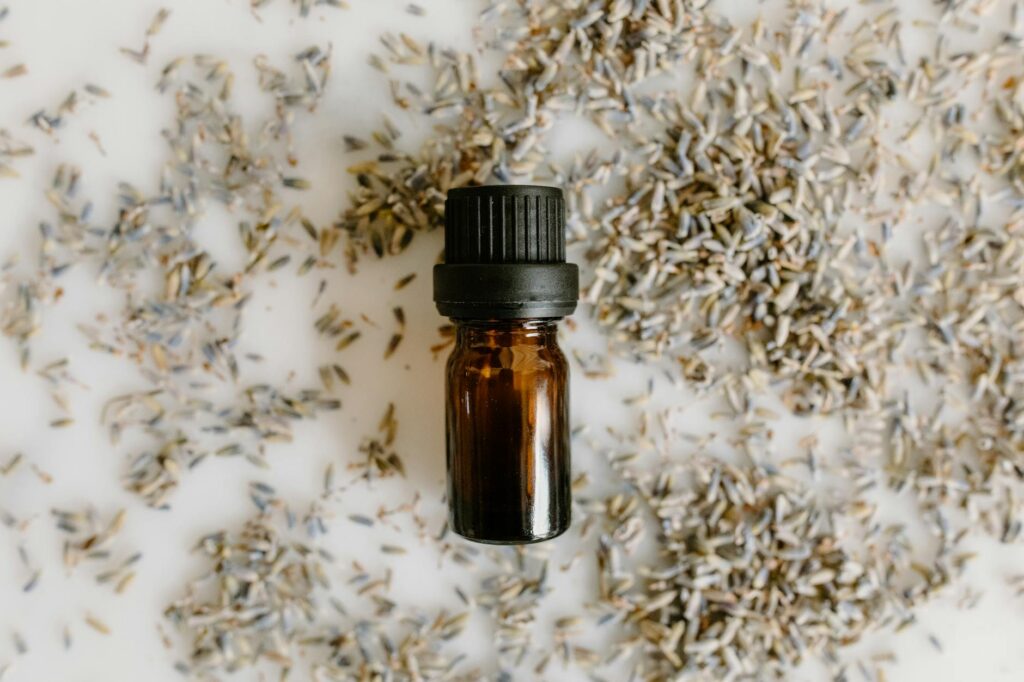
- Use Dark Glass Bottles: If possible, keep the oil in dark glass containers, which help protect it from light exposure.
- Check for Expiration: Pomegranate seed oil typically has a shelf life of around 1-2 years when stored correctly. Always check for any changes in smell, color, or consistency before use.
Aromatherapy Applications
In aromatherapy, pomegranate seed oil can be used in several ways:
1. Diffusion
One of the simplest methods of using pomegranate seed oil is through a diffuser. When diffused, the oil can create a calming environment, potentially enhancing mood and promoting relaxation. It can be combined with other essential oils, such as lavender or bergamot, for a more complex aroma.
2. Topical Application
When blended with a carrier oil, pomegranate seed oil can be applied directly to the skin. This method allows for the absorption of its beneficial properties, making it suitable for massage therapy or as part of a skincare routine. Common carrier oils include jojoba oil, sweet almond oil, or coconut oil.
3. Bath Soaks
Adding pomegranate seed oil to a warm bath can create a soothing experience. The oil can be combined with Epsom salts or other essential oils to enhance relaxation and rejuvenate the skin.
4. Inhalation
Direct inhalation of pomegranate seed oil, either from the bottle or on a cotton ball, can be an effective way to experience its aromatic benefits. This method may promote emotional balance and a sense of well-being.
5. Blending with Other Oils
Pomegranate seed oil blends well with various essential oils, including citrus oils (like orange and lemon), floral oils (like rose and geranium), and woodsy oils (like sandalwood and cedarwood). Creating personalized blends can enhance the aromatic experience and amplify the benefits of each oil.
Safety Considerations
While pomegranate seed oil is generally regarded as safe for topical use and aromatherapy, certain precautions should be observed:
Storage and Shelf Life
To maintain the quality of pomegranate seed oil, proper storage is essential:
Frequently Asked Questions
1. Can pomegranate seed oil be ingested?
Pomegranate seed oil is generally considered safe for topical use and aromatherapy. However, ingestion should be approached with caution, and it is advisable to consult a healthcare professional before consuming any essential oil.
2. Is pomegranate seed oil suitable for all skin types?
Pomegranate seed oil is often well-tolerated by many skin types, including dry and sensitive skin. However, individual reactions may vary, so a patch test is recommended.
3. Can pomegranate seed oil be mixed with other essential oils?
Yes, pomegranate seed oil blends well with various essential oils. Experimenting with different combinations can lead to personalized aromatic experiences.
4. How can I incorporate pomegranate seed oil into my skincare routine?
Pomegranate seed oil can be added to moisturizers, serums, or used as a standalone treatment. It’s best applied after cleansing and before heavier creams to lock in moisture.
5. What is the best way to use pomegranate seed oil in aromatherapy?
The best method depends on personal preference. Diffusing, topical application, and inhalation are all effective ways to enjoy the benefits of pomegranate seed oil.
Conclusion
Pomegranate seed oil is a versatile and beneficial addition to the world of aromatherapy. With its rich history, diverse applications, and unique properties, it holds promise for those interested in enhancing their well-being through natural means. As with any essential oil, it is crucial to use pomegranate seed oil safely and thoughtfully, ensuring an enriching and enjoyable experience.