
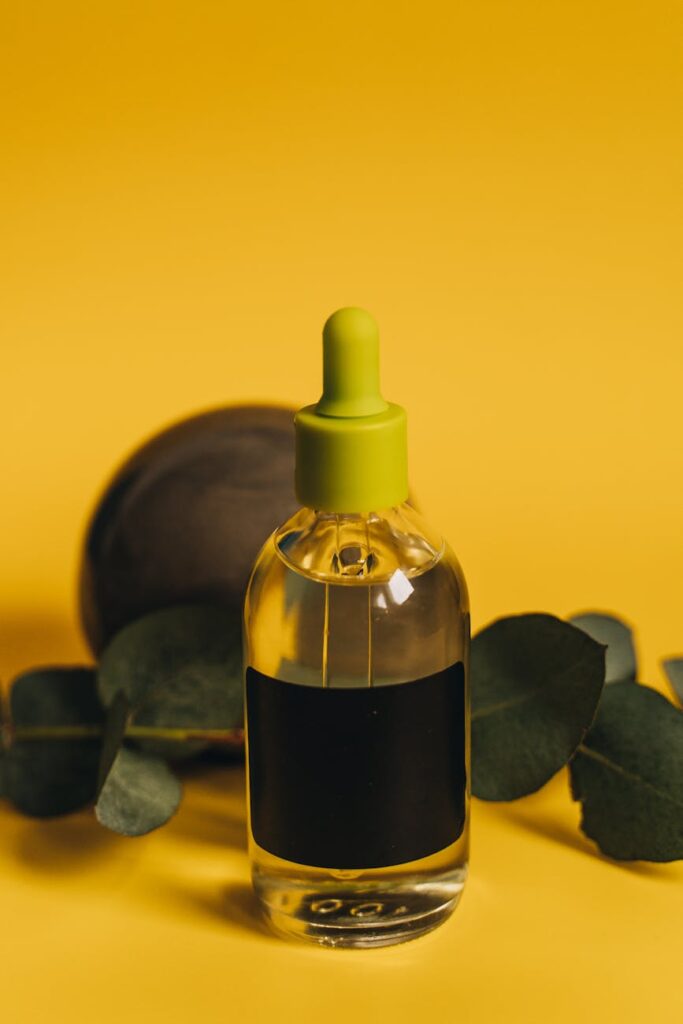
Aromatherapy Uses of Prickly Pear Seed Oil
Introduction
Aromatherapy, an ancient practice that harnesses the fragrant properties of essential oils, is gaining renewed interest in contemporary wellness and self-care routines. Among the plethora of essential oils available, prickly pear seed oil (also known as Barbary fig oil) has emerged as a unique and valuable addition. This article explores the aromatic and therapeutic potential of prickly pear seed oil, its properties, applications, and safety considerations, making it a fascinating subject for both aromatherapy enthusiasts and those new to the field.
What Is Prickly Pear Seed Oil?
Prickly pear seed oil is derived from the seeds of the prickly pear cactus (Opuntia ficus-indica), a plant native to Mexico and other arid regions. The oil extraction process involves cold-pressing the tiny seeds, which yield a rich, golden oil packed with nutrients. Prickly pear is not only known for its striking fruit but also for its numerous health and beauty benefits, making the seed oil a sought-after ingredient in various products.
The oil is characterized by its light texture and quick absorption, making it suitable for various applications in skin care and aromatherapy. Rich in essential fatty acids, vitamins, and antioxidants, prickly pear seed oil is versatile and beneficial for a multitude of uses.
Key Benefits and Properties
Prickly pear seed oil boasts a unique composition that contributes to its many benefits:
1. High in Nutrients: It contains an impressive array of vitamins, including vitamin E, which is known for its antioxidant properties, and vitamin K, which plays a role in skin health.
2. Fatty Acid Profile: The oil is rich in linoleic acid (omega-6 fatty acid) and oleic acid (omega-9 fatty acid), both of which are essential for maintaining skin hydration and elasticity.
3. Antioxidant Properties: Prickly pear seed oil is loaded with antioxidants, which help combat oxidative stress and protect the skin from environmental damage.
4. Anti-Inflammatory Effects: The oil has natural anti-inflammatory properties, making it suitable for soothing irritated skin.
5. Moisturizing Qualities: Its light texture allows for deep penetration into the skin, providing hydration without a greasy residue.
These properties make prickly pear seed oil a valuable ingredient in skin care formulations and aromatherapy blends.
Common Uses
Prickly pear seed oil is employed in various ways, including:
- Skin Care: Due to its moisturizing and anti-aging properties, it is commonly used in serums, creams, and lotions.
- Hair Care: The oil can nourish and condition hair, helping to reduce frizz and enhance shine.
- Massage Oil: When blended with other essential oils, it serves as an excellent base for massage therapy.
- Fragrance: The oil can be used on its own or as part of a blend to impart a subtle, pleasant aroma.
- Culinary Uses: In some cultures, prickly pear seed oil is also used in cooking for its nutty flavor and health benefits.
- Patch Test: Before using any new oil, especially on sensitive skin, it is advisable to perform a patch test. Apply a small amount of the diluted oil to an inconspicuous area and wait 24 hours to check for any adverse reactions.
- Dilution: Essential oils should not be used undiluted on the skin. Always mix prickly pear seed oil with other carrier oils or base oils to prevent irritation.
- Consultation: Individuals with specific health concerns or those who are pregnant or nursing should consult a qualified healthcare provider before using essential oils.
- Storage: To maintain the oil’s effectiveness, store it in a cool, dark place away from direct sunlight.
Aromatherapy Applications
In aromatherapy, prickly pear seed oil can be utilized in several ways:
1. Diffusion
When diffused, prickly pear seed oil can create a calming environment. While it may not have a strong aroma on its own, it serves as an excellent carrier oil for blending with more fragrant essential oils such as lavender, bergamot, or frankincense.
2. Topical Application
To use prickly pear seed oil topically, it is often blended with essential oils that align with specific therapeutic goals. For example, combining it with tea tree oil can create a skin-soothing blend for minor irritations. The oil’s lightweight nature allows it to be easily absorbed, making it suitable for facial applications.
3. Bath Soaks
Adding prickly pear seed oil to a warm bath can enhance relaxation and skin hydration. It can be combined with Epsom salts and other essential oils to create an indulgent bathing experience.
4. Massage
As a carrier oil, prickly pear seed oil can be paired with a variety of essential oils for a soothing massage. Its moisturizing properties make it an excellent choice for enhancing the benefits of the massage while providing hydration to the skin.
5. Skin Treatments
Prickly pear seed oil can be used as a standalone treatment for dry patches or areas of irritation. Its anti-inflammatory properties make it suitable for soothing sensitive skin.
6. Facial Oils
Incorporating prickly pear seed oil into facial oil blends can enhance skin health. It can be mixed with essential oils like rose or geranium for a luxurious experience.
Safety Considerations
While prickly pear seed oil is generally considered safe for topical use, it is important to adhere to certain safety guidelines:
Storage and Shelf Life
Proper storage of prickly pear seed oil is crucial for preserving its beneficial properties. The oil should be kept in a dark glass bottle to protect it from light, which can cause degradation. It is also advisable to store the oil in a cool, dry place to prevent oxidation.
The shelf life of prickly pear seed oil is typically around 12 to 24 months when stored correctly. However, it is essential to check for any changes in color, smell, or consistency before use, as these may indicate spoilage.
Frequently Asked Questions
1. Can prickly pear seed oil be used on all skin types?
Yes, prickly pear seed oil is known for its gentle properties, making it suitable for various skin types, including sensitive and oily skin.
2. Is prickly pear seed oil comedogenic?
Prickly pear seed oil has a low comedogenic rating, meaning it is less likely to clog pores. However, it is always advisable to perform a patch test before full application.
3. Can I use prickly pear seed oil for cooking?
While prickly pear seed oil is safe for culinary use, it’s primarily valued for its cosmetic and therapeutic properties. If used in cooking, ensure it is sourced from a reputable supplier and is specifically labeled for culinary purposes.
4. How do I incorporate prickly pear seed oil into my skincare routine?
Prickly pear seed oil can be applied as a standalone treatment or mixed with other essential oils in your skincare regimen. It can be used as a moisturizer, serum, or facial oil, depending on your skin’s needs.
5. Is prickly pear seed oil suitable for hair care?
Yes, prickly pear seed oil can be beneficial for hair care, providing nourishment, hydration, and shine to the hair while helping to reduce frizz.
Conclusion
Prickly pear seed oil is a remarkable oil with a myriad of benefits, particularly in the realm of aromatherapy and skin care. Its potent nutrient profile, combined with its versatility in applications, makes it an excellent addition to any wellness regimen. Whether used alone or blended with other essential oils, prickly pear seed oil can enhance both physical and emotional well-being. As with all essential oils, responsible use and proper storage are key to maximizing its potential.