
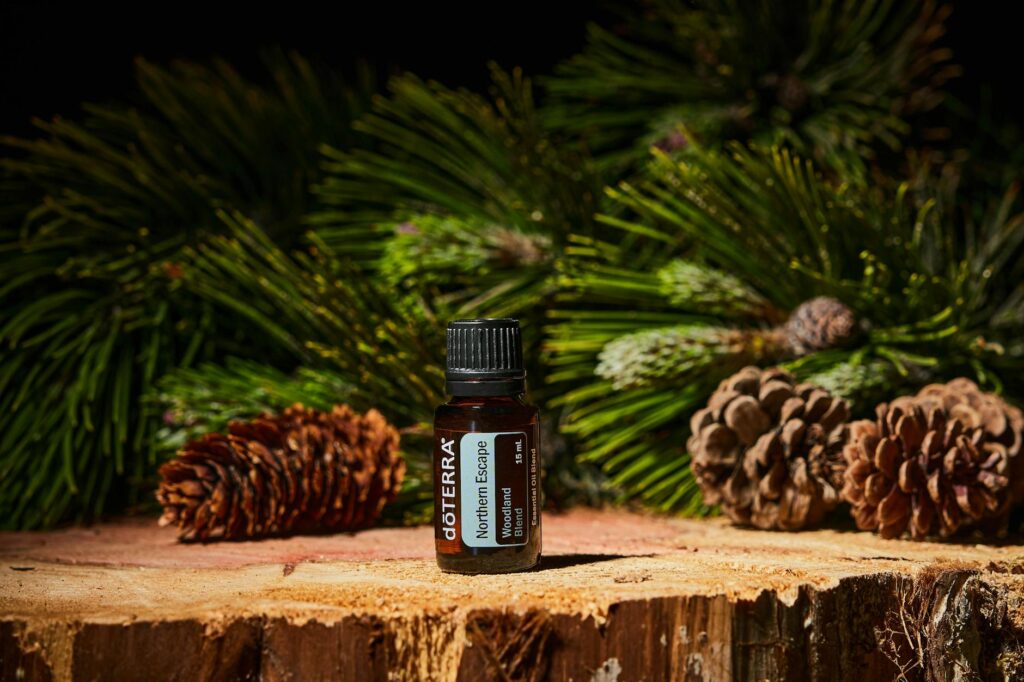
Aromatherapy Uses of Relaxation Blends
Introduction
Aromatherapy, the practice of using essential oils for therapeutic purposes, has gained popularity in recent years for its potential to promote relaxation and emotional well-being. Among the diverse array of essential oil blends, relaxation blends are particularly sought after for their soothing properties. This article explores the concept of relaxation blends, their benefits, common applications, and safety considerations, aiming to provide a comprehensive understanding of their uses in aromatherapy.
What Is Relaxation Blends?
Relaxation blends are specific formulations of essential oils that are designed to create a calming and tranquil environment. These blends typically incorporate a combination of oils known for their sedative and stress-relieving properties. Common essential oils found in relaxation blends include lavender, chamomile, bergamot, ylang-ylang, and sandalwood, among others.
These blends can vary in composition, allowing for a range of aromas—from floral and herbal to woody and citrusy. The selection of oils may depend on individual preferences or the specific emotional state one wishes to address.
Key Benefits and Properties
Relaxation blends offer a multitude of benefits, primarily centered around emotional and psychological well-being. Some of the key properties associated with these blends include:
1. Anxiolytic Effects: Many essential oils in relaxation blends are known to have anxiety-reducing properties. For example, lavender has been extensively studied for its ability to alleviate stress.
2. Mood Enhancement: The uplifting scents of certain oils can enhance mood and promote feelings of happiness. Citrus oils like bergamot are particularly noted for their ability to elevate spirits.
3. Improved Sleep Quality: Many relaxation blends are used to promote better sleep. Oils such as chamomile and sandalwood have calming effects that can facilitate a restful night.
4. Enhanced Focus and Clarity: While primarily used for relaxation, some blends may also promote mental clarity and focus, making them effective for meditation or mindfulness practices.
5. Physical Relaxation: The inhalation of these oils can lead to a reduction in muscle tension and an overall sense of physical relaxation.
Common Uses
Relaxation blends can be utilized in various contexts, making them versatile tools in the realm of aromatherapy. Some common uses include:
- Diffusion: Using an essential oil diffuser to disperse the blend in a room creates an aromatic atmosphere conducive to relaxation.
- Topical Application: Diluting the blend with a carrier oil and applying it to pulse points can provide localized relaxation benefits.
- Bathing: Adding relaxation blends to bath water can enhance the bathing experience, promoting a serene environment.
- Massage: Incorporating relaxation oils into massage therapy can amplify the soothing effects of the treatment.
- Sleep Aids: Placing a few drops of the blend on a pillow or using it in a sleep spray can help create a restful sleeping environment.
- Add the recommended number of drops of the relaxation blend to your diffuser, typically ranging from 3 to 10 drops depending on the size of the device.
- Allow the diffuser to run for a specified duration, often between 30 minutes to several hours.
- Dilute the essential oil blend with a carrier oil, such as jojoba or sweet almond oil. A common dilution ratio is 2% (approximately 12 drops of essential oil per ounce of carrier oil).
- Apply to pulse points, such as wrists, neck, or temples, for an immediate calming effect.
- Mix a few drops of the essential oil blend with a neutral carrier, such as coconut milk or Epsom salts, to aid in dispersing the oils in water.
- Add the mixture to a warm bath and soak for at least 15 minutes.
- Add a few drops of the relaxation blend to a carrier oil.
- Use the oil during a massage, focusing on tense areas to enhance physical and emotional relaxation.
- Place a few drops of the blend on your pillow or bedsheets before sleep.
- Create a sleep spray by mixing water and a few drops of the blend in a spray bottle and misting it around the sleeping area.
Aromatherapy Applications
The application of relaxation blends can vary based on individual preferences and circumstances. Here are some popular methods:
1. Diffusion
Diffusing essential oils is one of the most popular methods of using relaxation blends. By dispersing the aroma into the air, individuals can create a calm atmosphere in their homes or workplaces.
How to Diffuse:
2. Topical Application
Applying relaxation blends topically allows for direct contact with the skin, enhancing the effects of the oils.
How to Apply:
3. Bathing
Incorporating relaxation blends into bath time can transform a simple soak into a rejuvenating experience.
How to Use:
4. Massage
Using relaxation blends during massage creates a multi-sensory experience that promotes relaxation.
How to Utilize:
5. Sleep Aids
For those seeking improved sleep quality, relaxation blends can be used in several ways.
Application Methods:
Safety Considerations
While relaxation blends can be beneficial, it is essential to use them safely. Here are some key safety considerations:
1. Dilution: Always dilute essential oils with a carrier oil before applying them to the skin to prevent irritation.
2. Patch Testing: Conduct a patch test on a small area of skin to check for allergic reactions before widespread use.
3. Inhalation: While generally safe, some individuals may have sensitivities to specific oils. Start with small amounts and observe how your body reacts.
4. Pregnancy and Nursing: Pregnant or nursing individuals should consult with a qualified practitioner before using essential oils.
5. Children and Pets: Some essential oils are not suitable for children or pets. Research and consult guidelines to ensure safety.
Storage and Shelf Life
Proper storage of essential oils is crucial to maintaining their potency and effectiveness. Here are some tips for storing relaxation blends:
1. Cool, Dark Place: Store essential oils in a cool, dark area away from direct sunlight and heat to prevent degradation.
2. Tight Seals: Ensure that bottles are tightly sealed to minimize exposure to air, which can oxidize the oils.
3. Glass Containers: Use dark glass containers, such as amber or cobalt blue, which help protect the oils from light damage.
4. Shelf Life: While the shelf life of essential oils can vary, most can last from 1-3 years when stored correctly. Always check for changes in aroma or appearance before use.
Frequently Asked Questions
1. What is the difference between essential oils and relaxation blends?
Essential oils are concentrated extracts from plants, while relaxation blends are specific combinations of various essential oils formulated to promote relaxation.
2. Can I create my own relaxation blend?
Yes, you can create your own relaxation blend by combining essential oils known for their calming properties. Experiment with different ratios to find a scent that resonates with you.
3. Are relaxation blends safe for children?
While some essential oils are safe for children, it is essential to use them in appropriate dilutions and consult guidelines or a qualified practitioner for advice.
4. How long does the effect of a relaxation blend last?
The effects of relaxation blends can vary based on individual sensitivity and the method of application. Inhalation effects may last shorter than topical applications, which can provide prolonged benefits.
5. Can relaxation blends be used in conjunction with other therapies?
Yes, relaxation blends can complement other therapies, such as meditation, yoga, or massage, to enhance overall well-being.
Conclusion
Relaxation blends offer a holistic approach to promoting tranquility and emotional well-being. By understanding their properties and applications, individuals can effectively incorporate these aromatic blends into their daily routines. Whether through diffusion, topical application, or bathing, the potential benefits of relaxation blends can contribute to a more balanced and peaceful lifestyle. Always remember to practice safety and enjoy the soothing power of nature’s essential oils.