
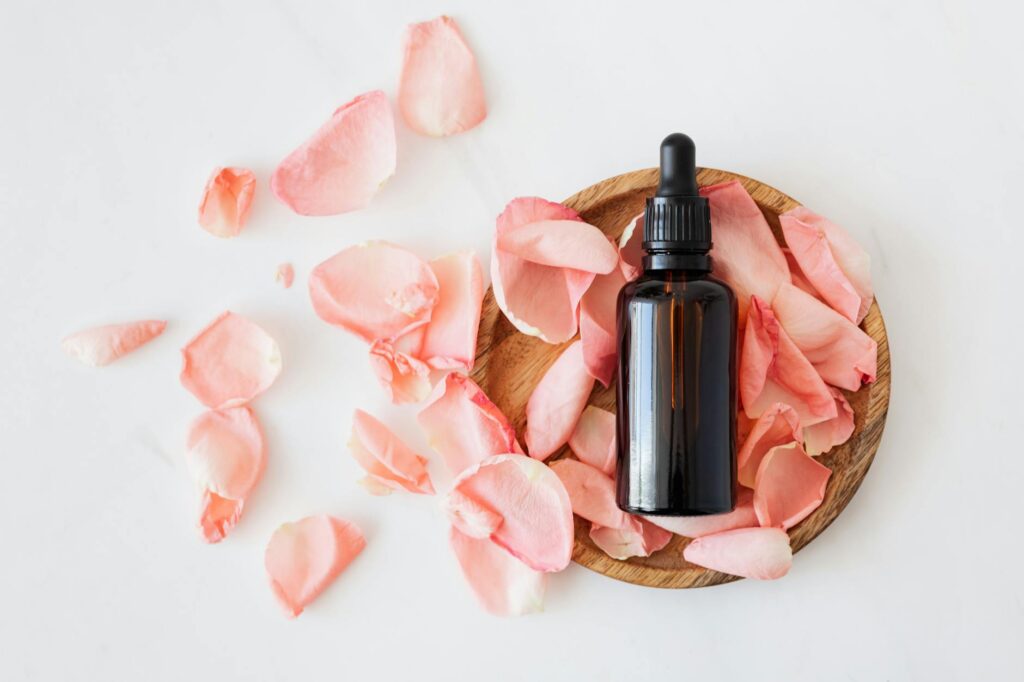
Aromatherapy Uses of Rose Essential Oil
Introduction
Aromatherapy is an ancient practice that harnesses the aromatic properties of essential oils derived from plants to promote physical and emotional well-being. Among the myriad of essential oils available, rose essential oil stands out for its exquisite fragrance and numerous therapeutic properties. This article delves into the characteristics, benefits, applications, and safety considerations associated with rose essential oil, providing a comprehensive overview for enthusiasts and practitioners alike.
What Is Rose Essential Oil?
Rose essential oil is extracted from the petals of the Rosa damascena plant, commonly known as the damask rose. This oil is renowned for its rich, floral aroma and is often referred to as the “queen of essential oils.” The extraction process typically involves steam distillation, which captures the delicate compounds responsible for the oil’s therapeutic properties. Rose essential oil can be categorized into various types, including rose absolute and rose otto, with the latter being the steam-distilled version often used in aromatherapy.
Key Benefits and Properties
Rose essential oil is celebrated for its myriad of beneficial properties, including:
- Emotional Well-Being: Known for its uplifting and calming effects, rose essential oil is often used to alleviate stress, anxiety, and depression. It can promote feelings of love and compassion, making it a popular choice in emotional healing practices.
- Antiseptic and Antimicrobial Properties: The oil possesses natural antiseptic qualities that can aid in skin health. It is often included in formulations designed to treat minor wounds and skin irritations.
- Anti-Inflammatory Effects: Rose essential oil is recognized for its ability to reduce inflammation, making it useful in various skin care formulations.
- Hormonal Balance: Some studies suggest that rose essential oil may help balance hormones, potentially alleviating symptoms associated with menstrual cycles and menopause.
- Aphrodisiac Qualities: Traditionally, rose essential oil has been associated with love and romance, thought to enhance sensuality and intimacy.
- Diffusion: One of the most common methods of using rose essential oil is through diffusion. Adding a few drops to a diffuser can create a calming atmosphere, promoting relaxation and emotional balance.
- Massage Oils: When diluted with a carrier oil, rose essential oil can be used in massage to enhance relaxation and relieve tension.
- Skin Care: Due to its antiseptic and anti-inflammatory properties, rose essential oil is often incorporated into lotions, creams, and serums. It is particularly effective for dry or sensitive skin.
- Baths: Adding rose essential oil to bath water can create a luxurious and soothing experience, helping to reduce stress and promote relaxation.
- Perfumes: The rich, floral scent of rose essential oil makes it a popular ingredient in natural perfumes, providing a fragrant alternative to synthetic fragrances.
- Skin Sensitivity: Always perform a patch test before using rose essential oil topically. Dilute it with a carrier oil and apply a small amount to a discreet area of skin to check for any adverse reactions.
- Pregnancy and Breastfeeding: Pregnant and breastfeeding women should consult with a qualified healthcare professional before using rose essential oil.
- Sensitivity to Fragrance: Individuals with sensitivities or allergies to fragrances should use caution when using rose essential oil in diffusers or topical applications.
- Not for Ingestion: Rose essential oil is not intended for ingestion unless under the guidance of a qualified aromatherapist or healthcare provider.
Common Uses
Rose essential oil is versatile and can be used in a variety of applications, including:
Aromatherapy Applications
Inhalation
Inhalation is a simple yet effective way to experience the benefits of rose essential oil. Simply add a few drops to a bowl of hot water, cover your head with a towel, and inhale deeply. This method can help clear the mind and promote emotional clarity.
Topical Application
For topical use, rose essential oil should always be diluted with a carrier oil, such as jojoba or almond oil, to prevent skin irritation. A common dilution ratio is 2%—this translates to about 12 drops of rose essential oil for every ounce of carrier oil. This mixture can be used for massages, skincare, or localized treatment.
Bathing Rituals
Incorporating rose essential oil into bathing rituals can enhance relaxation. It can be mixed with Epsom salts or carrier oils and added to bath water for a soothing experience. This practice not only nourishes the skin but also creates a calming aromatic environment.
Creating Blends
Rose essential oil can be blended with other essential oils to enhance its effects. Common complementary oils include lavender, geranium, and sandalwood. These combinations can create synergistic blends that amplify emotional and physical benefits.
Safety Considerations
While rose essential oil is generally considered safe for use, some precautions should be taken:
Storage and Shelf Life
To maintain the quality of rose essential oil, proper storage is essential. It should be kept in a cool, dark place, away from direct sunlight. An amber or cobalt glass bottle is ideal for preserving the oil’s integrity. When stored correctly, rose essential oil can have a shelf life of 3 to 5 years.
Frequently Asked Questions
Is rose essential oil suitable for all skin types?
While rose essential oil is generally safe for most skin types, individuals with sensitive skin should exercise caution and perform a patch test before full application.
Can rose essential oil be used in cooking?
Rose essential oil is primarily intended for aromatherapy and topical use. It is not recommended for culinary applications due to its concentrated nature and potential toxicity if ingested improperly.
How can I use rose essential oil to enhance my mood?
Diffusing rose essential oil in your living space, adding it to your bath, or using it in a massage can help uplift your mood and promote emotional balance.
What is the difference between rose absolute and rose otto?
Rose absolute is extracted using a solvent extraction method and is often thicker and more concentrated than rose otto, which is steam-distilled. Both have their unique scent profiles and therapeutic properties.
Can rose essential oil be blended with other oils?
Yes, rose essential oil blends well with various other essential oils, including lavender, bergamot, and sandalwood, to create synergistic effects and enhance specific benefits.
Conclusion
Rose essential oil, with its rich aroma and extensive range of benefits, holds a revered place in the realm of aromatherapy. Whether used for emotional healing, skin care, or simply to enjoy its delightful fragrance, it is a versatile oil that can enhance well-being in numerous ways. By adhering to safety considerations and understanding its properties, individuals can effectively incorporate rose essential oil into their holistic practices, enriching their lives with its beautiful scent and therapeutic capabilities.