
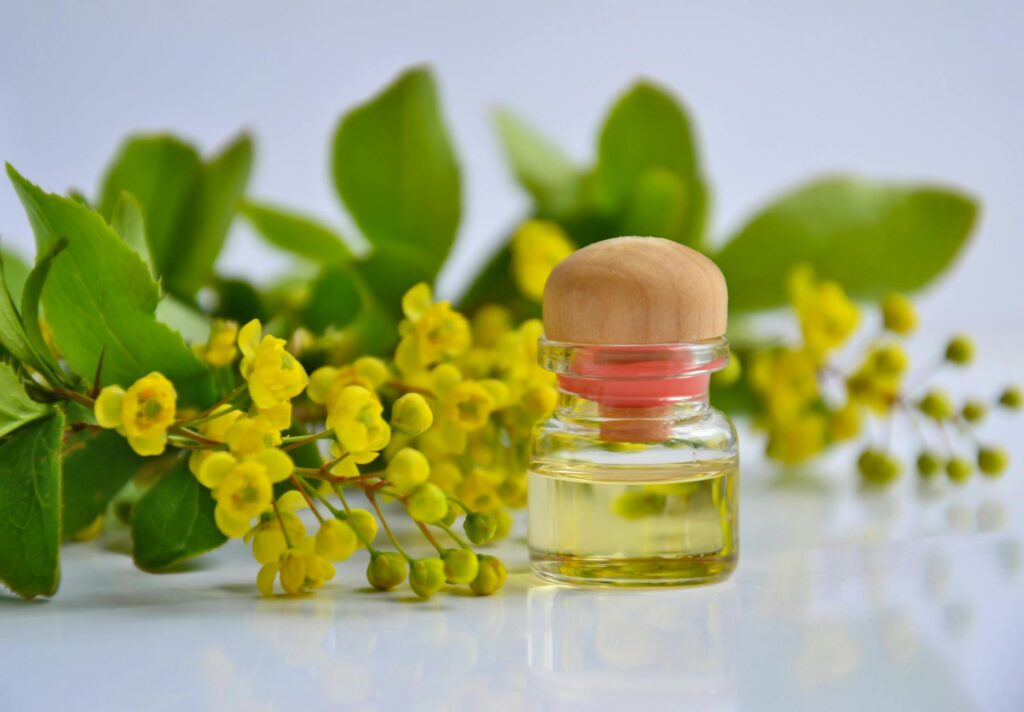
Aromatherapy Uses of Rose Hydrosols
Introduction
Aromatherapy has gained significant attention in recent years for its potential benefits in enhancing well-being and promoting relaxation. Among the various substances used in aromatherapy, rose hydrosols stand out due to their unique properties and soothing fragrance. This article will explore the nature of rose hydrosols, their benefits, common applications, and considerations for safe use.
What Is Rose Hydrosols?
Rose hydrosols, also known as rosewater, are byproducts of the steam distillation process used to extract essential oils from rose petals, predominantly from the Rosa damascena or Rosa centifolia species. During this process, the volatile compounds are separated, leaving behind a fragrant water infused with the essence of the rose.
Hydrosols contain a small concentration of essential oils along with water-soluble compounds, making them gentler than essential oils. Their milder nature makes them suitable for various applications, including skincare, household use, and culinary applications.
Key Benefits and Properties
Rose hydrosols are celebrated for their numerous benefits, which stem from their complex chemical composition. Here are some key properties:
1. Hydrating: The natural moisturizing properties of rose hydrosols can help hydrate the skin, making them a popular choice in skincare formulations.
2. Soothing: Known for their calming effects, rose hydrosols can help alleviate feelings of stress and anxiety. Their gentle aroma can promote relaxation and contribute to emotional well-being.
3. Anti-inflammatory: Many users report that rose hydrosols can help soothe minor irritations, making them suitable for sensitive skin types.
4. Antioxidant-rich: The presence of various phytochemicals in rose hydrosols contributes to their antioxidant properties, which can help neutralize free radicals.
5. Astringent: Rose hydrosols possess mild astringent properties that may help tone and tighten the skin.
Common Uses
Rose hydrosols have a variety of applications across different realms. Here are some common uses:
Skincare
- Toner: Rose hydrosols can be used as a natural toner to balance the skin’s pH and prepare it for further treatments.
- Facial Mist: A refreshing facial mist can hydrate and revitalize the skin throughout the day.
- Makeup Setting Spray: Applying rose hydrosols can help set makeup while providing a soft glow.
- Hair Rinse: Rose hydrosols can be used as a final rinse after shampooing to enhance shine and add a pleasant fragrance to hair.
- Flavoring Agent: In culinary applications, rose hydrosols can be used to flavor desserts, beverages, and various dishes, adding a delicate floral note.
- Room Spray: As a natural air freshener, rose hydrosols can create a soothing environment in homes, offices, and other spaces.
- Patch Test: It is advisable to perform a patch test when using any new skincare product, including rose hydrosols, to check for potential allergic reactions or sensitivities.
- Dilution: Although rose hydrosols are gentler than essential oils, they should still be used with caution when combined with other substances. It is advisable to dilute them when combining with carrier oils or other ingredients.
- Pregnancy and Nursing: Pregnant and nursing individuals should consult a healthcare professional before using rose hydrosols, as their effects in these conditions may vary.
- Storage: Proper storage is crucial to maintain the integrity of rose hydrosols. Keep them away from direct sunlight and in a cool environment.
- Cool, Dark Place: Rose hydrosols should be stored in a cool, dark place, away from direct sunlight, which can degrade their quality.
- Airtight Containers: Use airtight containers to prevent contamination and oxidation. Glass bottles with dark coloring are often recommended to protect the hydrosols from light exposure.
- Shelf Life: Generally, rose hydrosols have a shelf life of 1-2 years, depending on storage conditions. However, always check for any signs of spoilage, such as changes in scent or appearance.
Hair Care
Culinary
Household
Aromatherapy Applications
In the realm of aromatherapy, the applications of rose hydrosols are diverse and multifaceted. Here are several ways to incorporate rose hydrosols into your aromatherapy practice:
Diffusion
While rose hydrosols are not typically used in diffusers like essential oils, they can be sprayed in the air to create a calming atmosphere. The gentle scent can uplift the spirit and reduce feelings of tension.
Bathing
Adding rose hydrosols to a warm bath can enhance the bathing experience. The hydrosol can provide both a fragrant and soothing environment, promoting relaxation and mental clarity.
Massage
Incorporating rose hydrosols into massage oils can enhance the sensory experience. They can be diluted with carrier oils and used to promote relaxation during a massage session.
Meditation and Mindfulness
Using rose hydrosols during meditation or mindfulness practices can enhance focus and serenity. Spraying them in the surrounding environment or applying them to pulse points can create a calming ambiance.
Pillow and Linen Spray
A light mist of rose hydrosols on pillows and bed linens can promote restful sleep by introducing a gentle floral aroma, conducive to relaxation.
Safety Considerations
While rose hydrosols are generally considered safe for most individuals, there are several precautions to keep in mind:
Storage and Shelf Life
To ensure the longevity and effectiveness of rose hydrosols, it is essential to store them correctly:
Frequently Asked Questions
What is the difference between rose hydrosols and rose essential oils?
Rose hydrosols are the byproduct of the steam distillation process used to create rose essential oils. While both contain the essence of the rose, hydrosols are milder and have a lower concentration of aromatic compounds compared to essential oils.
Can rose hydrosols be ingested?
While some may use rose hydrosols in culinary applications, it is essential to ensure that they are food-grade and safe for consumption. Always verify the source and quality before ingesting.
Are rose hydrosols suitable for sensitive skin?
Rose hydrosols are generally considered safe for sensitive skin due to their gentle nature. However, individual reactions can vary, so it is advisable to perform a patch test first.
How can I incorporate rose hydrosols into my daily routine?
Rose hydrosols can be incorporated into your daily routine in various ways, including as a facial mist, toner, and room spray, or by adding them to your bath or skincare products.
Can rose hydrosols help with anxiety?
While many users report that the calming aroma of rose hydrosols can alleviate feelings of stress, individual experiences may vary. They can create a soothing atmosphere, which may be beneficial during relaxation practices.
Conclusion
Rose hydrosols offer a myriad of applications in aromatherapy and beyond. Their gentle nature, combined with their delightful fragrance, makes them a versatile addition to skincare, wellness, and household routines. By understanding their properties, uses, and safety considerations, individuals can effectively incorporate rose hydrosols into their lives, enriching their experiences with the essence of roses.