
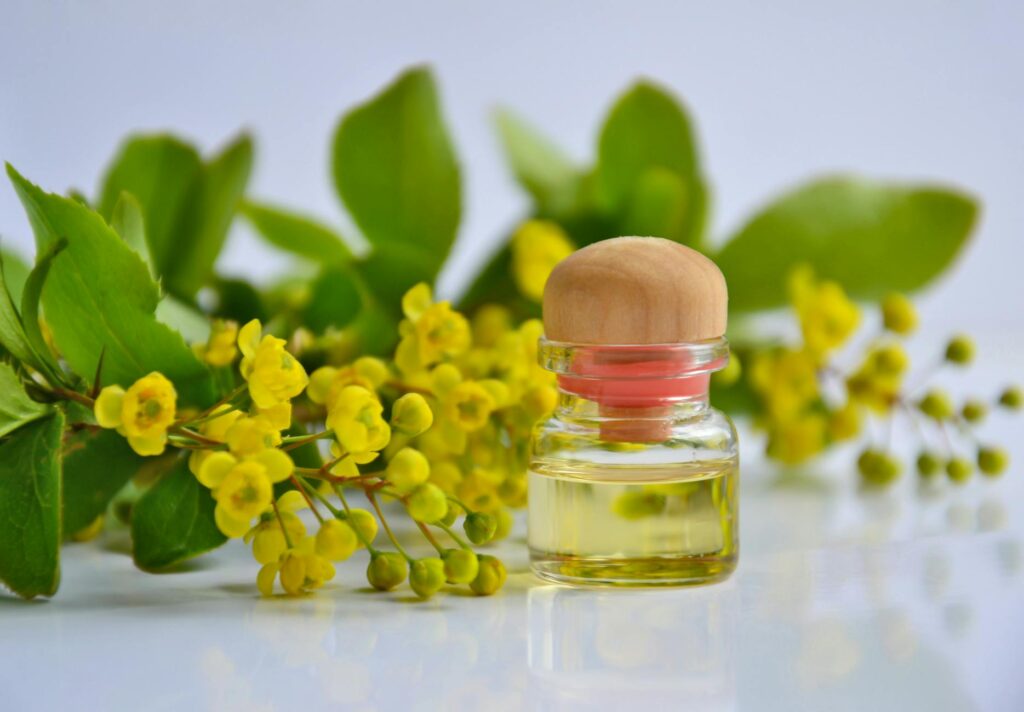
Aromatherapy Uses of Rose Oil
Introduction
Aromatherapy, the practice of using aromatic substances for therapeutic purposes, has gained popularity in recent years for its holistic approach to wellness. Among the myriad essential oils available, rose oil stands out not only for its exquisite fragrance but also for its diverse range of benefits and applications. This article delves into the essential aspects of rose oil, exploring its properties, uses, and techniques for incorporation into aromatherapy practices.
What Is Rose Oil?
Rose oil, also known as rose essential oil, is derived from the petals of the Rosa damascena and Rosa centifolia species. The extraction of rose oil is typically achieved through steam distillation or solvent extraction methods. The resulting oil is characterized by its rich, floral aroma, often regarded as one of the most luxurious and complex fragrances in the world.
The process of obtaining rose oil is labor-intensive, requiring thousands of rose petals to produce just a small quantity of the oil. This contributes to its high cost, which is often a reflection of the quality and purity of the product. There are two primary forms of rose oil: rose otto (steam-distilled) and rose absolute (solvent-extracted). Each type offers unique aromatic properties and applications in aromatherapy.
Key Benefits and Properties
Rose oil is celebrated for its wide array of beneficial properties, making it a popular choice in aromatherapy. Some of the key attributes include:
1. Emotional Balance: Rose oil is known for its ability to promote emotional well-being. It can help alleviate feelings of stress, anxiety, and depression, often used to instill a sense of calm and relaxation.
2. Antioxidant Properties: Rich in antioxidants, rose oil can help combat oxidative stress in the body. This property is often linked to its potential to enhance overall skin health.
3. Anti-inflammatory: Certain components in rose oil possess anti-inflammatory properties, which may contribute to soothing irritation and promoting healing.
4. Antiseptic Qualities: Rose oil has natural antiseptic properties that can be beneficial for minor cuts and wounds, as well as for maintaining skin health.
5. Hormonal Balance: Some studies suggest that rose oil may have a balancing effect on hormones, which can be particularly beneficial during menstruation and menopause.
6. Skin Nourishment: Due to its hydrating properties, rose oil is often used in skincare formulations to enhance skin moisture and elasticity.
Common Uses
Rose oil’s multifaceted nature allows it to be utilized in various ways, both in aromatherapy and in everyday applications. Common uses include:
- Diffusion: One of the most popular methods of using rose oil is through a diffuser. This allows the fragrance to permeate an entire room, creating a soothing atmosphere.
- Massage: Rose oil can be diluted with a carrier oil (such as jojoba or sweet almond oil) and used in massage therapy to promote relaxation and emotional well-being.
- Skincare: As a key ingredient in many skincare products, rose oil can be applied topically to nourish and rejuvenate the skin.
- Bathing: Adding a few drops of rose oil to bathwater can enhance the bathing experience, providing both aromatic pleasure and relaxation.
- Inhalation: Inhaling the aroma directly from the bottle or from a tissue can provide immediate emotional support during times of stress or anxiety.
- Lavender: Known for its calming properties, lavender complements rose oil well and can enhance relaxation.
- Bergamot: The uplifting scent of bergamot can blend harmoniously with rose oil for emotional upliftment.
- Sandalwood: This combination can be grounding and calming, perfect for meditation practices.
- Dilution: Essential oils are potent and should be diluted with a carrier oil before topical application to minimize the risk of skin irritation.
- Patch Test: Before using rose oil topically, it is advisable to conduct a patch test to check for any allergic reactions.
- Pregnancy and Nursing: Pregnant or nursing individuals should consult with a healthcare professional before using rose oil, as certain essential oils may not be recommended during these periods.
- Medical Conditions: Individuals with specific medical conditions or those taking medications should seek guidance from a qualified healthcare provider before incorporating rose oil into their routine.
- Cool, Dark Place: Store rose oil in a cool, dark location away from direct sunlight and heat sources to prevent degradation.
- Tightly Sealed Bottles: Keeping the oil in tightly sealed amber or cobalt blue glass bottles can help protect it from light and air exposure.
- Shelf Life: Generally, rose oil has a shelf life of 1 to 3 years, depending on the quality and storage conditions. Regularly check for any changes in scent or consistency, as these can indicate spoilage.
Aromatherapy Applications
In the realm of aromatherapy, rose oil can be used in various formulations and techniques to maximize its benefits. Here are some popular applications:
1. Blending with Other Oils
Rose oil can be blended with other essential oils to create synergistic effects. Popular combinations include:
2. Creating Aromatherapy Roll-Ons
By diluting rose oil with a carrier oil in a rollerball bottle, individuals can create a convenient and portable method for on-the-go aromatherapy. This is particularly beneficial for dealing with stress in public settings.
3. Incorporating into Meditation Practices
The soothing aroma of rose oil can enhance meditation and mindfulness practices. Using rose oil in a diffuser during meditation can create a serene atmosphere conducive to relaxation and focus.
4. Room Sprays and Linen Sprays
Rose oil can be incorporated into homemade room sprays to infuse a space with its delightful fragrance. Mixing rose oil with distilled water and a small amount of alcohol in a spray bottle can create a refreshing linen spray.
5. Candles and Wax Melts
Adding rose oil to homemade candles or wax melts can provide an aromatic experience that enhances the ambiance of any space.
Safety Considerations
While rose oil is generally considered safe for most individuals when used appropriately, several considerations should be kept in mind:
Storage and Shelf Life
Proper storage is key to maintaining the quality and efficacy of rose oil. Here are some tips for optimal storage:
Frequently Asked Questions
1. Can rose oil be used directly on the skin?
Rose oil should always be diluted in a carrier oil before topical application to reduce the risk of irritation.
2. What are the differences between rose otto and rose absolute?
Rose otto is steam-distilled, while rose absolute is solvent-extracted. Both have unique properties and uses, with rose otto often considered the more pure and expensive option.
3. Is rose oil safe for children?
While rose oil can be beneficial, it is essential to consult with a healthcare professional before using it on children, as their skin can be more sensitive.
4. Can rose oil help with sleep issues?
Many people find the calming aroma of rose oil beneficial for promoting relaxation and improving sleep quality.
5. How do I know if my rose oil is pure?
To ensure the purity of rose oil, look for high-quality products from reputable sources that provide information about the extraction method and botanical name.
Conclusion
Rose oil is a versatile and cherished essential oil in the field of aromatherapy. With its rich history and a plethora of benefits, it serves as a powerful tool for emotional well-being and holistic health. By understanding its properties, uses, and safety considerations, individuals can effectively incorporate rose oil into their aromatherapy practices, enhancing their overall wellness journey.