
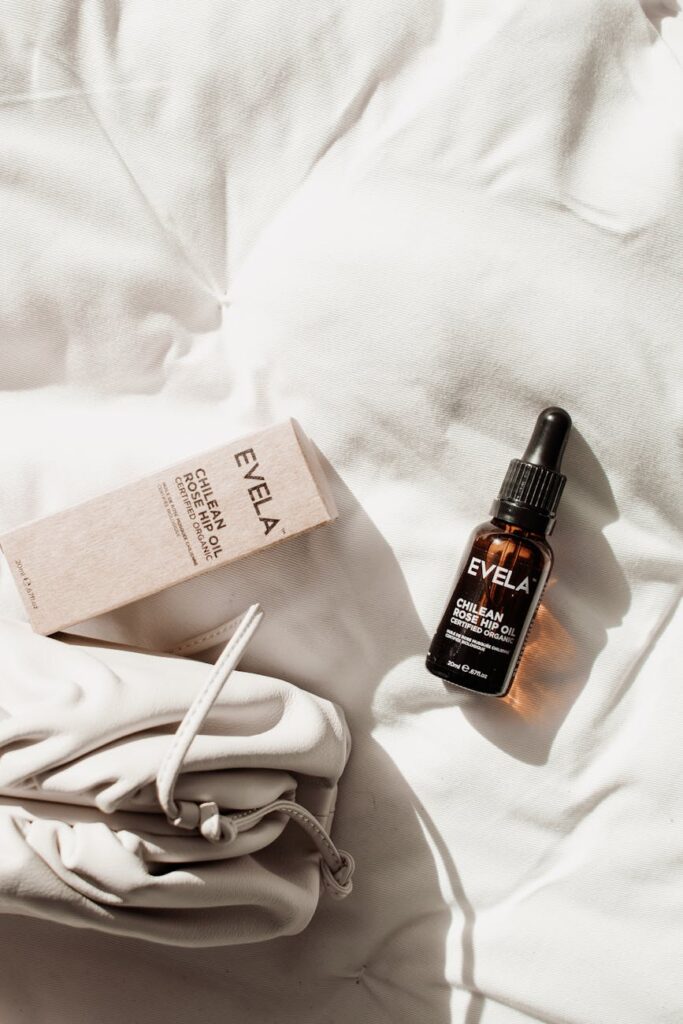
Aromatherapy Uses of Rosehip Oil
Introduction
Aromatherapy, the practice of using essential oils and botanical extracts for therapeutic benefits, has gained significant popularity in recent years. Among the myriad of essential oils available, rosehip oil stands out for its unique properties and versatility. This article delves into the characteristics, benefits, applications, and safety considerations of rosehip oil in the context of aromatherapy, providing a comprehensive understanding of this remarkable oil.
What Is Rosehip Oil?
Rosehip oil is derived from the seeds of the wild rose plant, scientifically known as Rosa canina or Rosa rubiginosa. The extraction of the oil typically involves cold-pressing the seeds, which preserves the oil’s beneficial properties. Unlike many essential oils, rosehip oil is classified as a carrier oil, meaning it is often used to dilute essential oils for topical application. It boasts a rich composition of essential fatty acids, vitamins, and antioxidants, making it a sought-after ingredient in skincare formulations and holistic practices.
Key Benefits and Properties
Rosehip oil is celebrated for its multifaceted benefits, primarily attributed to its chemical composition, which includes:
1. Essential Fatty Acids: Rich in omega-3 (alpha-linolenic acid) and omega-6 (linoleic acid) fatty acids, rosehip oil helps to nourish and hydrate the skin, promoting a healthy skin barrier.
2. Vitamins: The oil is particularly high in vitamins A and C. Vitamin A, in the form of retinoic acid, is known for its role in skin regeneration, while vitamin C acts as a potent antioxidant, helping to brighten the skin and reduce signs of aging.
3. Antioxidants: Rosehip oil contains various antioxidants that combat free radicals, contributing to skin health and potentially aiding in the prevention of premature aging.
4. Anti-inflammatory Properties: The oil possesses anti-inflammatory qualities, which can help soothe irritated skin, making it suitable for various skin conditions.
5. Moisturizing Effects: Its emollient properties make rosehip oil an excellent moisturizer, capable of providing deep hydration without clogging pores.
Common Uses
Rosehip oil is widely used in skincare and wellness applications, including:
- Skincare: It is often incorporated into serums, creams, and lotions due to its moisturizing and regenerative properties.
- Stretch Marks: Many individuals use rosehip oil to minimize the appearance of stretch marks, as its fatty acids support skin elasticity.
- Scars and Blemishes: The oil is frequently utilized in formulations aimed at reducing the visibility of scars and blemishes.
- Sun Damage: Its antioxidant content makes it a popular choice for addressing sun-damaged skin.
- Container: Store rosehip oil in a dark glass bottle to protect it from light, which can degrade its quality over time.
- Temperature: Keep the oil in a cool, dry place away from direct sunlight and heat sources.
- Shelf Life: Generally, rosehip oil has a shelf life of approximately six months to one year, depending on storage conditions. It’s advisable to check for any changes in smell, color, or consistency before use.
Aromatherapy Applications
In the realm of aromatherapy, rosehip oil can be utilized in various ways to enhance physical and emotional well-being:
1. Blending with Essential Oils: As a carrier oil, rosehip oil effectively dilutes essential oils for topical application. Common essential oils that pair well with rosehip oil include lavender, tea tree, and geranium, enhancing their therapeutic effects.
2. Massage Therapy: When used in massage blends, rosehip oil can provide hydration and nourishment to the skin while promoting relaxation and stress relief.
3. Skincare Regimens: Rosehip oil can be added to skincare routines to maintain hydration and support skin health. It can be applied directly to the skin or mixed with other oils or creams.
4. Aromatherapy Diffusers: While rosehip oil itself does not have a strong aromatic profile, it can be combined with more fragrant essential oils in a diffuser to create a soothing atmosphere.
5. Bath Additive: A few drops of rosehip oil can be added to bath water, providing both moisturizing benefits and a calming experience.
Safety Considerations
While rosehip oil is generally regarded as safe for topical use, certain precautions should be observed:
1. Patch Test: Before using rosehip oil, it is advisable to perform a patch test to check for any allergic reactions. Apply a small amount to a discreet area of skin and observe for 24 hours.
2. Dilution: As a carrier oil, rosehip oil should be diluted with essential oils before application to avoid skin sensitivity.
3. Pregnancy and Lactation: Although rosehip oil is considered safe, pregnant or nursing individuals should consult a healthcare professional before use.
4. Avoid Eye Contact: Care should be taken to avoid contact with the eyes, as it can cause irritation.
5. Storage: Proper storage is essential to maintain the oil’s integrity.
Storage and Shelf Life
To ensure the longevity of rosehip oil, proper storage practices are crucial:
Frequently Asked Questions
1. Can rosehip oil be used on all skin types?
Yes, rosehip oil is suitable for various skin types, including sensitive, dry, and oily skin. Its lightweight texture allows it to absorb quickly without clogging pores.
2. How often can I use rosehip oil?
Rosehip oil can be used daily as part of a skincare routine. It can be applied in the morning and evening or as needed.
3. Is rosehip oil safe for sensitive skin?
Rosehip oil is generally well-tolerated by sensitive skin. However, a patch test is recommended to ensure there are no adverse reactions.
4. Can rosehip oil help with acne?
While rosehip oil is not an acne treatment, its anti-inflammatory and nourishing properties can support overall skin health and may help reduce the appearance of acne scars.
5. Can I use rosehip oil during pregnancy?
Although rosehip oil is considered safe, pregnant individuals should consult a healthcare provider before incorporating any new oils into their regimen.
Conclusion
Rosehip oil is a versatile and beneficial oil that plays a significant role in aromatherapy and holistic wellness practices. Its rich composition and array of properties make it an ideal choice for skincare and emotional well-being. By understanding its uses, benefits, and safety considerations, individuals can effectively incorporate rosehip oil into their holistic practices and enjoy its numerous advantages.