
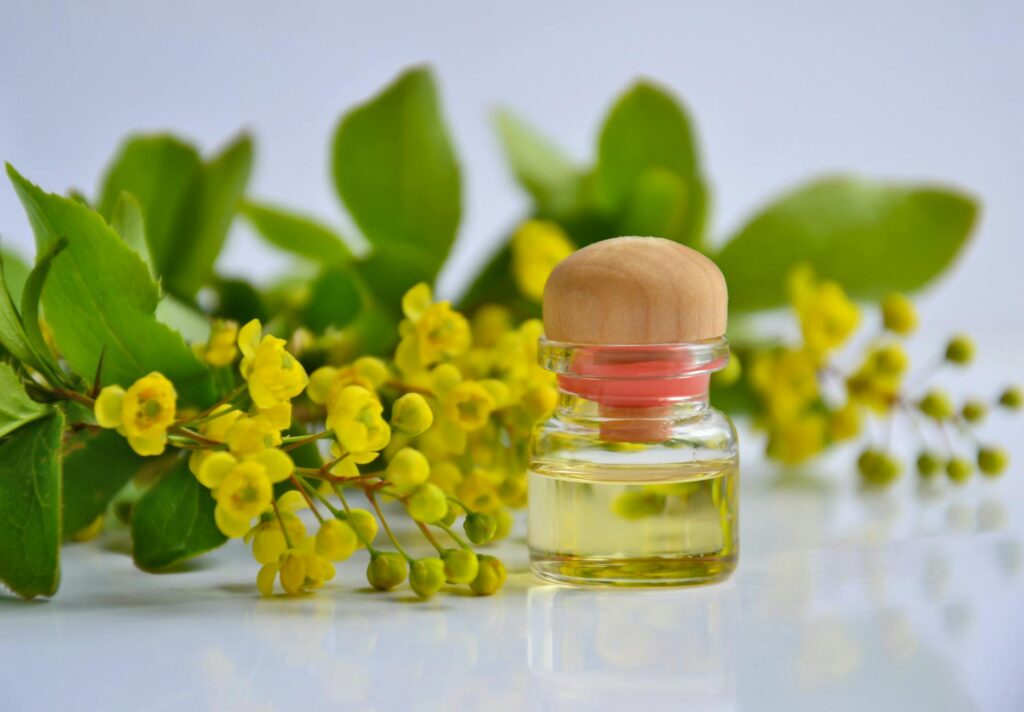
Aromatherapy Uses of Rosemary Extract
Introduction
Aromatherapy, the practice of utilizing essential oils from plants for therapeutic benefits, has gained immense popularity in recent years. Among the myriad of essential oils available, rosemary extract stands out for its diverse applications and rich historical significance. This article delves into the properties, benefits, and uses of rosemary extract within the realm of aromatherapy, providing a comprehensive overview for enthusiasts and practitioners alike.
What Is Rosemary Extract?
Rosemary (Rosmarinus officinalis) is a perennial herb native to the Mediterranean region, renowned for its aromatic leaves and culinary uses. The extract is derived from the leaves of the rosemary plant, typically through steam distillation, yielding an essential oil that captures the plant’s distinctive fragrance and therapeutic properties.
The oil has a fresh, herbaceous scent with woody undertones, making it a popular choice in both culinary and aromatherapy applications. Beyond its aromatic appeal, rosemary extract is rich in bioactive compounds, including antioxidants, anti-inflammatory agents, and antimicrobial properties, which contribute to its effectiveness in various uses.
Key Benefits and Properties
1. Antioxidant Properties: Rosemary extract is known for its high levels of antioxidants, which help combat oxidative stress in the body. This property is crucial for maintaining overall health and well-being.
2. Anti-Inflammatory Effects: The compounds in rosemary, such as rosmarinic acid and carnosol, have demonstrated anti-inflammatory properties, making it beneficial for soothing aches and promoting relaxation.
3. Cognitive Function: Some studies suggest that the aroma of rosemary may enhance cognitive performance and memory retention. The scent is believed to stimulate the brain and improve concentration.
4. Mood Enhancement: The uplifting aroma of rosemary can help alleviate stress and anxiety, promoting a sense of clarity and well-being. It is often used in mood-enhancing blends.
5. Antimicrobial Activity: Rosemary extract has shown potential in inhibiting the growth of certain bacteria and fungi, making it useful in various formulations, including skin care and cleaning products.
Common Uses
Rosemary extract is versatile and can be found in various products and applications, including:
- Culinary Uses: Rosemary is a popular herb in cooking, often used to flavor meats, soups, and stews. Its extract can impart the same flavor in concentrated form.
- Cosmetic Products: Due to its antioxidant and antimicrobial properties, rosemary extract is frequently incorporated into skincare and hair care products, promoting healthy skin and scalp.
- Household Items: Rosemary’s natural antimicrobial properties make it a popular choice in homemade cleaning solutions and air fresheners.
- Aromatherapy Blends: As an essential oil, rosemary is commonly blended with other oils for various aromatherapy applications, enhancing the overall therapeutic benefits.
- Dilution: Always dilute rosemary essential oil with a carrier oil before topical application to prevent skin irritation.
- Pregnancy and Breastfeeding: Pregnant or breastfeeding women should consult with a healthcare professional before using rosemary extract, as its effects during these periods are not thoroughly studied.
- Allergies: Individuals with known allergies to plants in the Lamiaceae family (such as mint or sage) should exercise caution, as they may also react to rosemary.
- Epilepsy: Rosemary essential oil may not be suitable for individuals with epilepsy or those prone to seizures. Consultation with a healthcare professional is advisable in such cases.
- Children: It is recommended to avoid using rosemary essential oil on children under the age of two.
- Storage Conditions: Keep rosemary essential oil in a cool, dark place away from direct sunlight. A dark glass bottle is preferable to protect the oil from light exposure.
- Shelf Life: When stored correctly, rosemary essential oil has a shelf life of approximately 1 to 3 years. Regularly check for any changes in aroma, color, or consistency, as these may indicate that the oil has degraded.
Aromatherapy Applications
In aromatherapy, rosemary extract is typically used through essential oil diffusion, topical application, or inhalation. Here are some common methods and formulations:
1. Diffusion
Diffusing rosemary oil in a room can create an uplifting atmosphere that promotes mental clarity and focus. Using a few drops in a diffuser or oil burner can help fill the space with its invigorating scent.
2. Inhalation
Inhaling rosemary essential oil directly from the bottle or by adding a few drops to a handkerchief can provide immediate benefits. This method can be particularly effective for those seeking to enhance concentration or alleviate fatigue.
3. Topical Application
When diluted with a carrier oil (such as jojoba or sweet almond oil), rosemary extract can be applied to the skin. This method may be beneficial for muscle aches, as well as promoting hair health when massaged into the scalp.
4. Bathing
Adding a few drops of rosemary essential oil to a warm bath can create a soothing experience, aiding relaxation and relieving tension. It can be combined with Epsom salts for added benefits.
5. Blending with Other Oils
Rosemary pairs well with various essential oils, including lavender, peppermint, and citrus oils. Creating custom blends can enhance the therapeutic effects, depending on the desired outcome.
Safety Considerations
While rosemary extract is generally considered safe for use in aromatherapy, it is essential to observe certain precautions:
Storage and Shelf Life
Proper storage is essential to maintain the quality and efficacy of rosemary extract. Here are some guidelines:
Frequently Asked Questions
1. Can rosemary extract be ingested?
While culinary rosemary is safe to consume, rosemary essential oil should not be ingested without the guidance of a qualified professional, as it can be potent and may cause adverse effects.
2. Is rosemary essential oil safe for pets?
Some essential oils, including rosemary, may not be safe for pets. Always consult a veterinarian before using essential oils around animals.
3. How can I incorporate rosemary oil into my daily routine?
You can incorporate rosemary oil into your routine through various methods, such as diffusing it during work hours, adding it to your bath, or including it in your skincare routine.
4. What are some recipes for rosemary essential oil blends?
Popular blends include rosemary and lavender for relaxation, rosemary and lemon for an uplifting aroma, and rosemary and peppermint for a refreshing boost. Experimenting with different ratios can help you find the perfect blend for your needs.
5. Are there any contraindications for using rosemary oil?
Yes, individuals with certain health conditions, such as epilepsy, or those who are pregnant or breastfeeding, should exercise caution and consult a healthcare professional before using rosemary essential oil.
Conclusion
Rosemary extract is a powerful and versatile component of aromatherapy, offering a range of benefits from cognitive enhancement to mood elevation. Its rich history and multitude of applications make it a valuable addition to any essential oil collection. By understanding its properties, uses, and safety considerations, individuals can effectively harness the aromatic and therapeutic potential of rosemary extract in their daily lives. Always prioritize safe practices and consult with professionals when necessary to ensure the best experience with aromatherapy.