
Aromatherapy Uses of Sage Essential Oil
Introduction
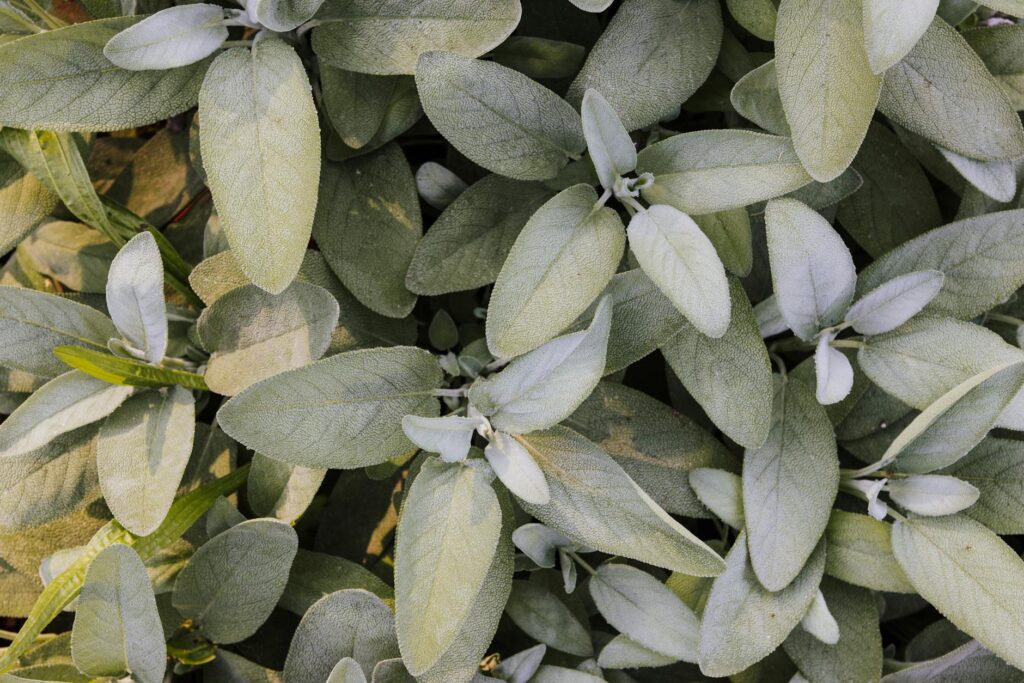
Sage essential oil, derived from the leaves of the Salvia officinalis plant, has a long history of use in various cultures for its aromatic and therapeutic properties. Known for its earthy and herbaceous scent, sage essential oil is a versatile component in the world of aromatherapy. This article explores the characteristics, benefits, applications, and safety considerations of sage essential oil, providing a comprehensive guide for those interested in incorporating this potent oil into their wellness routine.
What Is Sage Essential Oil?
Sage essential oil is extracted through steam distillation from the leaves of the sage plant, a member of the mint family. This perennial herb is native to the Mediterranean region but is cultivated worldwide for culinary and medicinal purposes. The oil boasts a complex chemical composition, primarily consisting of monoterpenes, sesquiterpenes, and various phenolic compounds. The distinctive aroma of sage essential oil is often described as warm, woody, and slightly camphoraceous, making it a favored choice in aromatherapy.
Key Benefits and Properties
Sage essential oil is celebrated for its numerous benefits, which can be attributed to its rich array of chemical constituents. Some of the key properties include:
- Antioxidant: Sage essential oil contains compounds that help neutralize free radicals, thereby potentially reducing oxidative stress.
- Anti-inflammatory: The oil is known to possess anti-inflammatory properties that may help soothe various forms of irritation.
- Antimicrobial: Sage essential oil has demonstrated antimicrobial activity, making it useful in combating certain pathogens.
- Mood Enhancer: The aromatic profile of sage is thought to promote mental clarity and emotional balance, often used to alleviate feelings of anxiety and stress.
- Digestive Aid: Traditionally, sage has been used to support digestive health, and its essential oil may carry similar benefits.
- Aromatherapy: Used in diffusers, inhalers, or during massage therapy to promote relaxation and mental clarity.
- Culinary Applications: While sage essential oil should be used cautiously in food, it is sometimes incorporated into culinary blends for its flavor.
- Cleaning Products: Due to its antimicrobial properties, sage essential oil is often added to natural cleaning solutions.
- Skincare: It can be found in formulations designed to address oily skin and acne due to its anti-inflammatory and antimicrobial effects.
- Dilution: Essential oils should always be diluted with a carrier oil before topical application to prevent skin irritation.
- Pregnancy and Nursing: Pregnant or nursing individuals should consult a healthcare professional before using sage essential oil, as some compounds may not be suitable during this time.
- Allergies: Conduct a patch test before using sage essential oil, especially for sensitive skin. Discontinue use if any irritation occurs.
- Interactions: Sage essential oil may interact with certain medications. It is advisable to consult a healthcare provider if you are taking medication or have a medical condition.
Common Uses
Sage essential oil is utilized in various contexts, including:
Aromatherapy Applications
Diffusion
One of the most common methods of using sage essential oil in aromatherapy is through diffusion. Adding a few drops to a diffuser can help purify the air and create a calming atmosphere. The oil’s earthy aroma is believed to promote mental clarity and help ease feelings of anxiety.
Inhalation
For immediate effects, inhalation is a simple technique. Placing a few drops of sage essential oil on a tissue or cotton ball and inhaling can provide a quick burst of its invigorating aroma.
Massage
When diluted with a carrier oil, sage essential oil can be used in massage therapy. Its anti-inflammatory properties may help alleviate muscle tension and promote relaxation. A recommended dilution is typically 2-3 drops of essential oil per tablespoon of carrier oil.
Bathing
Adding sage essential oil to a warm bath can enhance the bathing experience, promoting relaxation and stress relief. A few drops can be combined with a carrier oil or an emulsifier to ensure even distribution in water.
Skin Care
In skincare formulations, sage essential oil can be beneficial for oily or acne-prone skin. It is often included in facial oils, creams, and lotions. However, it is essential to dilute the oil properly and conduct a patch test to avoid irritation.
Safety Considerations
While sage essential oil is generally considered safe for use, it is important to observe certain precautions:
Storage and Shelf Life
To maintain the quality of sage essential oil, proper storage is crucial. The oil should be kept in a cool, dark place, away from direct sunlight and heat. A tightly sealed glass container is ideal to prevent oxidation. Typically, sage essential oil can last for about 1 to 3 years, depending on storage conditions and the specific formulation. Always check for changes in color, aroma, or consistency before use, as these may indicate spoilage.
Frequently Asked Questions
1. Can sage essential oil be ingested?
While some essential oils can be ingested, sage essential oil is primarily intended for aromatherapy and topical use. Ingestion should only be done under the guidance of a qualified professional.
2. What are the best blends for sage essential oil?
Sage essential oil blends well with other essential oils such as lavender, rosemary, and bergamot. Experimenting with different combinations can create a unique aromatic experience.
3. Is sage essential oil safe for children?
Sage essential oil is not recommended for use on children under the age of two. For older children, always dilute the oil properly and consult a healthcare provider for guidance.
4. How can I tell if my sage essential oil is pure?
To determine the purity of sage essential oil, look for reputable brands that provide third-party testing and transparent ingredient sourcing. The label should indicate that the oil is 100% pure and free from synthetic additives.
5. Can I use sage essential oil in a diffuser?
Yes, sage essential oil is excellent for use in a diffuser. A few drops can be added to water in a diffuser to enjoy its aromatic benefits.
Conclusion
Sage essential oil is a multifaceted oil with a rich history in both culinary and therapeutic applications. Its diverse range of benefits makes it a valuable addition to any aromatherapy practice. However, as with all essential oils, users should approach sage with respect and caution, observing safety guidelines and proper usage methods. By understanding the properties and applications of sage essential oil, individuals can harness its potential to enhance their wellness and create a calming, aromatic environment.