
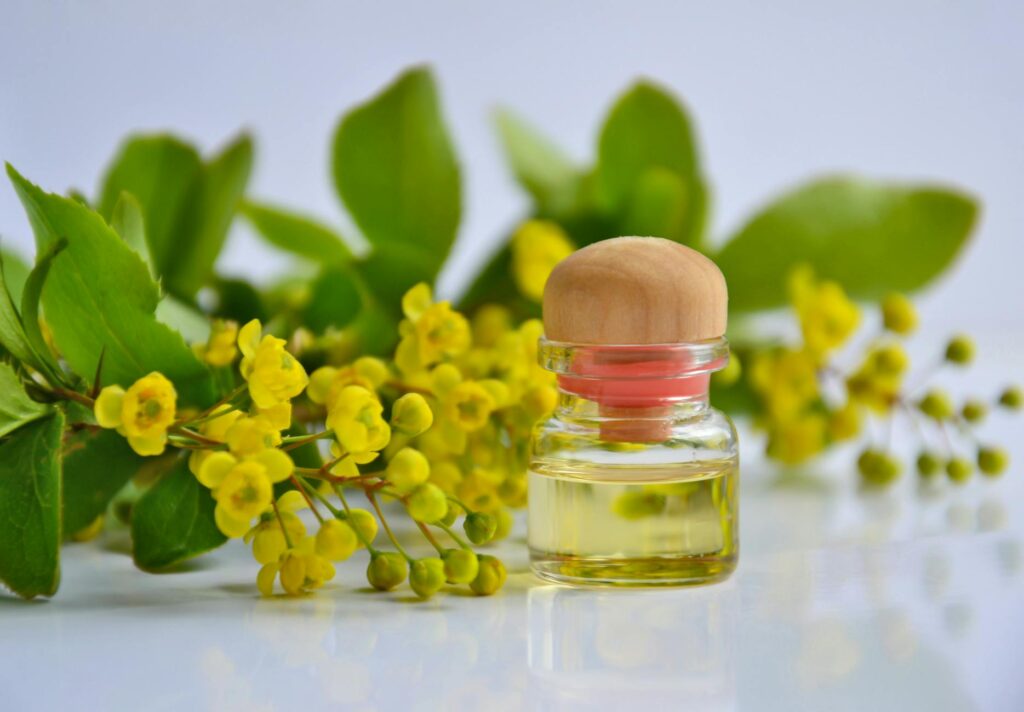
Aromatherapy Uses of Sandalwood Oil Safety
Introduction
Sandalwood oil, derived from the wood of the Santalum album tree, has been revered for centuries across various cultures for its aromatic and therapeutic properties. Known for its rich, woody scent, sandalwood oil has found a prominent place in the realms of perfumery, meditation, and holistic wellness. This article aims to explore the safety aspects associated with sandalwood oil, including its benefits, common applications, and important precautions for use.
What Is Sandalwood Oil Safety?
Safety in the context of sandalwood oil refers to the proper handling, application, and storage of the oil to minimize potential risks and maximize its benefits. As with any essential oil, sandalwood oil can have potent effects and should be used with care. Understanding its properties, potential side effects, and safe practices is crucial for anyone interested in incorporating it into their aromatherapy regimen.
Key Benefits and Properties
Sandalwood oil is celebrated for its multifaceted properties. Some key benefits include:
- Anti-Inflammatory: Sandalwood oil is known for its ability to reduce inflammation, making it useful in various holistic practices.
- Antiseptic: Its antiseptic qualities can help protect against infections when used appropriately.
- Sedative: The calming aroma of sandalwood oil is often used in meditation and relaxation therapies to promote a sense of tranquility.
- Skin Care: Sandalwood oil is often included in beauty products due to its moisturizing and soothing properties, making it beneficial for various skin types.
- Mood Enhancer: Its warm, woody scent can uplift mood and alleviate stress, promoting emotional balance.
- Aromatherapy: Used in diffusers or inhalation for stress relief and relaxation.
- Massage Therapy: Often blended with carrier oils for therapeutic massages.
- Skincare: Incorporated into creams, lotions, and serums for its soothing effects on the skin.
- Meditative Practices: Commonly used in religious and spiritual practices for its calming effects.
- Perfumes: A staple in the fragrance industry, sandalwood oil adds depth and warmth to many perfumes.
- Diffusion: When used in a diffuser, sandalwood oil disperses its aroma into the air, creating a calming atmosphere ideal for meditation or relaxation.
- Topical Application: When diluted with a carrier oil, sandalwood oil can be applied to pulse points, such as wrists or behind the ears, for a personalized scent.
- Bathing: Adding a few drops of sandalwood oil to a warm bath can provide both aromatic and skin-soothing benefits.
- Inhalation: Direct inhalation from the bottle or a tissue can provide immediate calming effects, especially during stressful moments.
- Dilution: Sandalwood oil should always be diluted with a carrier oil before topical application to minimize the risk of skin irritation. A common dilution ratio is 2-3 drops of sandalwood oil per tablespoon of carrier oil.
- Skin Sensitivity: A patch test is recommended prior to widespread use. Apply a diluted drop to a small area of skin and wait 24 hours to check for any adverse reactions.
- Pregnancy and Nursing: Pregnant and nursing individuals should consult with a healthcare professional before using sandalwood oil, as the effects during these periods are not well studied.
- Allergies: Those with known allergies to sandalwood or related species should avoid using sandalwood oil.
- Medical Conditions: Individuals with specific medical conditions or those taking medications should consult a healthcare provider to discuss potential interactions.
- Storage Conditions: Sandalwood oil should be stored in a cool, dark place away from direct sunlight. A dark glass bottle is ideal to protect the oil from light degradation.
- Shelf Life: Generally, sandalwood oil has a shelf life of 2-3 years when properly stored. Over time, the oil may lose potency or develop an off-smell, indicating it may not be suitable for use.
Understanding these properties can help users appreciate sandalwood oil’s potential benefits while also highlighting the importance of safe usage.
Common Uses
Sandalwood oil is utilized in a variety of applications, including:
The versatility of sandalwood oil makes it a valuable addition to many holistic and cosmetic products.
Aromatherapy Applications
In aromatherapy, sandalwood oil can be employed in various methods:
Each method can enhance the therapeutic benefits of sandalwood oil, making it a versatile tool in holistic practices.
Safety Considerations
While sandalwood oil is generally regarded as safe when used properly, certain precautions should be observed:
Awareness of these safety considerations can help users enjoy the benefits of sandalwood oil without adverse effects.
Storage and Shelf Life
Proper storage of sandalwood oil is essential to maintain its quality and efficacy:
Regularly checking the oil for changes in aroma or consistency can ensure that it remains effective and safe to use.
Frequently Asked Questions
1. Can sandalwood oil be used on sensitive skin?
Yes, sandalwood oil can be used on sensitive skin, but it must be diluted properly with a carrier oil and a patch test should be performed first.
2. Is sandalwood oil safe for children?
Sandalwood oil may be used with caution for children over two years old, but always consult a healthcare professional for appropriate dilution and usage guidelines.
3. Can sandalwood oil be ingested?
Ingesting essential oils is not generally recommended unless under the guidance of a qualified healthcare professional. Sandalwood oil is primarily intended for external use.
4. How can I enhance the calming effects of sandalwood oil?
Combining sandalwood oil with other calming oils, such as lavender or chamomile, can enhance its relaxing properties. Use these blends in diffusers, baths, or topical applications.
5. What should I do if I experience an adverse reaction to sandalwood oil?
If any adverse reactions occur, discontinue use immediately and wash the affected area with mild soap and water. If the reaction persists or worsens, seek medical attention.
Conclusion
Sandalwood oil holds a revered position in the world of aromatherapy, offering a range of benefits from stress relief to skin care. However, understanding its safety considerations is essential for optimal use. By following proper guidelines for dilution, application, and storage, individuals can safely enjoy the rich aromatic and therapeutic qualities of sandalwood oil. Whether used in meditation, skincare, or relaxation practices, sandalwood oil can be a valuable addition to your holistic wellness toolkit.