
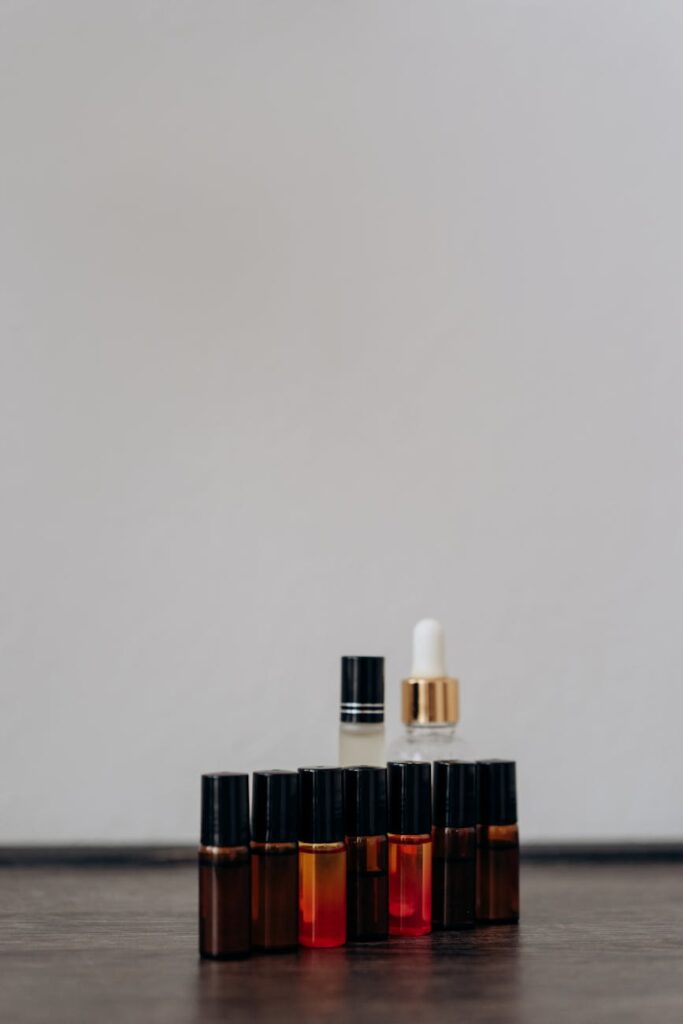
Aromatherapy Uses of Self-Care Blends
Introduction
Aromatherapy, the practice of using essential oils extracted from plants for therapeutic purposes, has gained considerable popularity in recent years. Among its various applications, self-care blends have emerged as a significant area of interest. These blends are carefully formulated combinations of essential oils designed to promote relaxation, uplift mood, and enhance overall well-being. This article delves into the concept of self-care blends, their benefits, common uses, and safety considerations, providing a comprehensive overview for those interested in integrating them into their wellness routines.
What Is Self-Care Blends?
Self-care blends are mixtures of essential oils tailored to support individual self-care practices. Each blend may contain oils selected for their specific properties, such as calming, invigorating, or grounding effects. The formulation of self-care blends aims to address various emotional and physical needs, helping individuals cultivate a sense of balance and harmony in their daily lives.
These blends can be created using single essential oils or combinations, allowing for customization according to personal preferences and needs. Common essential oils used in self-care blends include lavender, bergamot, eucalyptus, and frankincense, each celebrated for its unique aromatic profile and therapeutic properties.
Key Benefits and Properties
The benefits of self-care blends are multifaceted, encompassing emotional, mental, and even physical well-being. Below are some of the key properties and potential benefits associated with essential oils commonly used in self-care blends:
Emotional Support
Many essential oils have been shown to possess mood-enhancing properties. For instance, lavender is known for its calming effects, while citrus oils like bergamot and sweet orange can uplift and energize the spirit. These properties make self-care blends valuable tools for emotional support.
Stress Relief
Aromatherapy is often employed for stress reduction. Essential oils such as chamomile and ylang-ylang can promote relaxation, helping to alleviate feelings of anxiety and tension. The inhalation of these aromas may trigger physiological responses that promote a sense of calm.
Improved Sleep Quality
Certain self-care blends are specifically formulated to aid sleep. Oils such as lavender and cedarwood are frequently used for their sedative properties, helping to create a serene environment conducive to restful sleep.
Enhanced Focus and Clarity
Some self-care blends are designed to promote mental clarity and focus. Oils like peppermint and rosemary are often included for their stimulating properties, which can help clear mental fog and enhance cognitive function.
Physical Comfort
Certain essential oils possess analgesic or anti-inflammatory properties, making them suitable for blends aimed at physical comfort. Oils such as ginger and eucalyptus can be included in self-care blends to help alleviate discomfort and promote relaxation.
Common Uses
Self-care blends can be utilized in various ways, depending on individual preferences and needs. Here are some common applications:
Diffusion
Using a diffuser is one of the most popular methods for enjoying self-care blends. By dispersing essential oils into the air, individuals can create an aromatic atmosphere that supports relaxation or invigorates the senses.
Topical Application
When diluted with a carrier oil, self-care blends can be applied directly to the skin. This method allows for localized benefits, such as soothing sore muscles or calming irritated skin. Common areas for application include pulse points, the neck, and the feet.
Bath Additives
Adding self-care blends to bathwater can transform a simple bath into a luxurious spa-like experience. The warm water helps to release the aromatic compounds, creating an environment that promotes relaxation and rejuvenation.
Inhalation
Inhaling self-care blends directly from the bottle or through a personal inhaler can provide immediate benefits. This method is particularly useful for quick stress relief or mood enhancement.
Meditation and Yoga
Incorporating self-care blends into meditation or yoga practices can deepen the experience. The aromas can help set intentions and create a calming environment, enhancing focus and mindfulness.
Aromatherapy Applications
The versatility of self-care blends allows for their use in various contexts. Here are several practical applications:
Morning Routine
Incorporating invigorating blends containing citrus or mint oils can help energize and awaken the senses, setting a positive tone for the day ahead.
Workplace Environment
Diffusing a blend designed for focus and concentration can enhance productivity and create a pleasant working atmosphere.
Evening Wind-Down
Using calming blends with lavender or chamomile in the evening can signal the body to relax and prepare for restful sleep.
Seasonal Support
Self-care blends can also be tailored to address seasonal changes. For instance, blending oils with uplifting properties during winter months can help combat seasonal affective disorder (SAD).
Travel Companion
Carrying a personal inhaler filled with a self-care blend can provide comfort and relaxation during travel, helping to alleviate stress associated with new environments.
Safety Considerations
While self-care blends can offer numerous benefits, it is essential to consider safety precautions:
Dilution
Essential oils are highly concentrated substances and must be diluted with a carrier oil (such as coconut, jojoba, or almond oil) before topical application to avoid skin irritation.
Patch Testing
Before using a new blend, conduct a patch test on a small area of skin to check for adverse reactions. If irritation occurs, discontinue use immediately.
Pregnancy and Nursing
Pregnant or nursing individuals should consult a qualified healthcare provider before using essential oils, as some oils may not be safe during these times.
Children and Pets
Certain essential oils can be harmful to children and pets. It is advisable to avoid using strong oils around these vulnerable populations or consult a professional for guidance.
Quality of Oils
The quality of essential oils can vary significantly. Always select oils from reputable sources that provide information on purity and sourcing.
Storage and Shelf Life
Proper storage of self-care blends is crucial to maintain their potency and effectiveness. Here are some best practices:
Containers
Store essential oils in dark glass containers to protect them from light, which can degrade their quality. Amber or cobalt blue bottles are ideal for this purpose.
Temperature
Keep essential oils in a cool, dry place, away from direct sunlight and heat sources. Excessive heat can alter the chemical composition of the oils.
Shelf Life
The shelf life of essential oils can vary depending on the type. Generally, citrus oils have a shorter shelf life (about 1-2 years), while oils like patchouli and sandalwood can last for several years. Always check for changes in aroma or consistency before use.
Frequently Asked Questions
Can I create my own self-care blends at home?
Yes, creating your own self-care blends can be a rewarding experience. Research various essential oils and their properties, and experiment with different combinations to find what resonates with you.
How long does it take to feel the effects of aromatherapy?
The effects of aromatherapy can vary from person to person. Some may notice immediate benefits, while others may take longer to experience the full effects.
Are there any essential oils that should be avoided?
Certain essential oils, such as wintergreen and eucalyptus, should be used with caution, especially around children and pets. Always research or consult a professional before using unfamiliar oils.
Can self-care blends replace traditional medicine?
While self-care blends can complement wellness routines, they should not replace conventional medical treatment. Always consult a healthcare professional for medical concerns.
How do I choose the right blend for my needs?
Consider your specific emotional or physical needs, and research oils known for those properties. Experimentation can also help you discover what works best for you.
Conclusion
Self-care blends in aromatherapy present a holistic approach to enhancing well-being. By understanding their benefits, common uses, and safety considerations, individuals can effectively incorporate these aromatic combinations into their self-care routines. Whether seeking emotional support, stress relief, or physical comfort, self-care blends offer a diverse range of applications designed to promote balance and harmony in our lives. As with any holistic practice, mindfulness and personal exploration will guide you toward the most beneficial experiences.