
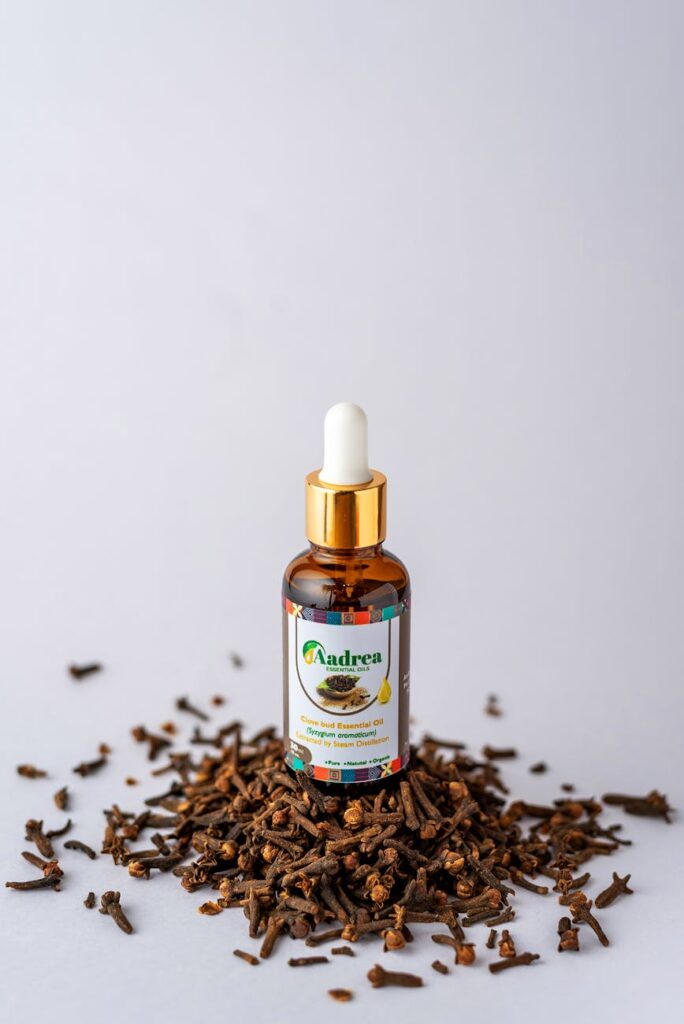
Aromatherapy Uses of Spice Hydrosols
Introduction
Aromatherapy has gained considerable popularity over the years, tapping into the potent benefits of aromatic plants. Among the various forms of aromatic extracts, hydrosols—particularly spice hydrosols—have emerged as valuable resources. Often overlooked, hydrosols are the aromatic waters produced during the steam distillation of plant materials. They contain the water-soluble components of the plants, preserving a gentler essence of the original botanical. This article explores the uses, benefits, and applications of spice hydrosols in aromatherapy.
What Is Spice Hydrosols?
Spice hydrosols are the aqueous byproducts obtained during the steam distillation of spice plants. Unlike essential oils, which are concentrated extracts containing volatile compounds, hydrosols are milder and more versatile due to their lower concentration of aromatic compounds. Common spices used to create hydrosols include cinnamon, clove, ginger, and cardamom.
The process of obtaining hydrosols involves passing steam through the plant material, which extracts both essential oils and water-soluble compounds. Once cooled, the steam condenses back into liquid form, separating the essential oil from the hydrosol. The resulting hydrosols carry the aromatic qualities of the spices, along with their inherent properties.
Key Benefits and Properties
Spice hydrosols possess a variety of beneficial properties that make them suitable for use in aromatherapy:
1. Aromatic Qualities: Spice hydrosols have unique and warm fragrances that can evoke feelings of comfort and relaxation. Their scents can uplift mood and create a welcoming atmosphere.
2. Antimicrobial Properties: Many spice hydrosols exhibit antimicrobial qualities, making them useful in cleansing and purifying spaces.
3. Anti-inflammatory Effects: Certain spice hydrosols may help soothe irritation and inflammation, providing a calming effect on the skin.
4. Digestive Support: Some hydrosols can aid digestion and may be beneficial when used in culinary applications.
5. Mood Enhancement: The use of spice hydrosols in aromatherapy can promote emotional well-being, helping to alleviate stress and anxiety.
Common Uses
Spice hydrosols can be employed in various ways across different domains:
1. Skincare:
With their soothing and antimicrobial properties, spice hydrosols can be used as facial mists, toners, or added to lotions for enhanced benefits.
2. Environmental Fragrance:
These hydrosols can be sprayed in living spaces to create a warm and inviting atmosphere, while also purifying the air.
3. Culinary Applications:
Some spice hydrosols can be used to flavor beverages, desserts, or savory dishes, adding a unique aromatic experience.
4. Bathing Experience:
Incorporating spice hydrosols into bathwater can create a relaxing and aromatic experience, enhancing the overall ambiance.
Aromatherapy Applications
In the realm of aromatherapy, spice hydrosols can be utilized in several creative and beneficial ways:
1. Room Sprays:
Spice hydrosols can be blended with distilled water in a spray bottle to create room sprays that offer both aroma and antimicrobial properties. For instance, a blend of clove and cinnamon hydrosols can provide a cozy, festive scent.
2. Massage Oils:
When combined with carrier oils, spice hydrosols can be incorporated into massage oils. The soothing properties of the hydrosols can enhance relaxation during massage therapy.
3. Diffusion:
While essential oils are commonly used in diffusers, spice hydrosols can also be added to water in ultrasonic diffusers for a gentler aromatic experience.
4. Inhalation:
Aromatherapy inhalation is another effective method. A few drops of spice hydrosol can be added to a bowl of hot water, allowing the steam to carry the aroma for inhalation.
5. Personal Care Products:
Spice hydrosols can be incorporated into homemade body sprays, shampoos, or lotions, providing both fragrance and beneficial properties.
Safety Considerations
While spice hydrosols are generally safe and well-tolerated, certain precautions should be observed:
1. Patch Test: Although hydrosols are milder than essential oils, it is advisable to conduct a patch test before applying them directly to the skin, especially for individuals with sensitive skin.
2. Dilution: When using spice hydrosols in personal care products, it is important to dilute them appropriately. While they can be used directly in some cases, dilution with water or a carrier oil may enhance safety.
3. Consultation: Individuals who are pregnant, nursing, or have specific health conditions should consult a healthcare professional before using spice hydrosols in any capacity.
4. Storage: Proper storage is crucial to maintain the quality of hydrosols, as exposure to heat and light can lead to degradation.
Storage and Shelf Life
To ensure the longevity of spice hydrosols, proper storage practices should be followed:
1. Cool, Dark Place: Hydrosols should be stored in a cool, dark place, away from direct sunlight and heat sources to prevent degradation.
2. Sealed Containers: It is advisable to keep hydrosols in tightly sealed containers to minimize exposure to air and contaminants.
3. Refrigeration: For extended shelf life, some hydrosols can be refrigerated, particularly those with a higher water content.
4. Shelf Life: Generally, spice hydrosols have a shelf life of 6 months to 2 years, depending on the type of hydrosol and storage conditions. Regularly check for changes in aroma or appearance, which may indicate spoilage.
Frequently Asked Questions
1. Are spice hydrosols safe for children?
Spice hydrosols are generally safe for children when used appropriately. However, it is best to consult a healthcare professional for specific recommendations.
2. Can spice hydrosols be ingested?
While some spice hydrosols may be suitable for culinary use, it is crucial to ensure they are food-grade and consult a professional before ingestion.
3. How do I choose a quality spice hydrosol?
Look for hydrosols that are 100% pure, organic, and steam-distilled. Check for certifications and seek products from reputable suppliers.
4. Can I use spice hydrosols during pregnancy?
Pregnant individuals should consult a healthcare professional before using spice hydrosols, as certain spices may have contraindications.
5. Do spice hydrosols have a strong scent?
Spice hydrosols have a milder aroma compared to their essential oil counterparts, making them suitable for those sensitive to strong scents.
Conclusion
Spice hydrosols are an underappreciated yet versatile tool in the aromatherapy toolkit. With their unique aromatic qualities and beneficial properties, they can enhance various aspects of wellness, from skincare to mood enhancement. By understanding their uses, benefits, and safety considerations, individuals can incorporate these fragrant waters into their daily routines, benefiting from the richness of nature’s spices.