
Aromatherapy Uses of Steam Distilled Peppermint Oil
Introduction
Peppermint oil, derived from the Mentha × piperita plant, has been celebrated for its invigorating scent and versatile properties for centuries. Among the various extraction methods, steam distillation is the most common, preserving the oil’s aromatic and therapeutic qualities. This article explores the unique characteristics of steam distilled peppermint oil, its benefits, common uses, and applications in aromatherapy.
What Is Steam Distilled Peppermint Oil?
Steam distilled peppermint oil is extracted from the leaves and flowering tops of the peppermint plant through a process that involves steam. The steam passes through the plant material, causing the essential oil to evaporate. This steam is then cooled, allowing the oil to separate from the water, resulting in a concentrated form of peppermint oil that retains its natural compounds.
The steam distillation method is preferred for its ability to produce high-quality oil without the use of solvents or chemicals, making it suitable for therapeutic applications. The resulting oil is characterized by its fresh, minty aroma, which is both uplifting and refreshing.
Key Benefits and Properties
Steam distilled peppermint oil is renowned for its numerous properties, making it a staple in both aromatherapy and holistic practices. Some of its key benefits include:
1. Cooling Sensation
Peppermint oil contains menthol, a compound responsible for its cooling effect. This property makes it popular in topical applications for soothing minor discomfort.
2. Mental Clarity and Focus
The invigorating scent of peppermint oil is known to enhance concentration and mental clarity. Its stimulating aroma can help alleviate mental fatigue and promote alertness.
3. Digestive Support
While not a medical claim, peppermint oil is often associated with digestive wellness. Its aroma may help ease feelings of discomfort related to digestive issues, making it a common choice for aromatherapy during meals.
4. Respiratory Relief
Inhaling peppermint oil may help open airways and ease breathing. Its fresh aroma is often used in blends aimed at respiratory support.
5. Mood Enhancement
The uplifting scent of peppermint oil is believed to have mood-boosting properties. It can help alleviate feelings of anxiety and promote a sense of well-being.
Common Uses
Steam distilled peppermint oil is versatile and can be used in various ways, including:
1. Diffusion
One of the most common methods of using peppermint oil is through diffusion. Adding a few drops to an essential oil diffuser allows the aroma to fill a room, creating an invigorating atmosphere.
2. Inhalation
Inhaling peppermint oil directly from the bottle or a cotton ball can provide immediate stimulation and mental clarity. This approach is often favored during study or work sessions.
3. Topical Applications
Peppermint oil can be diluted with a carrier oil and applied to the skin. This method is popular for creating cooling blends for sore muscles or headaches.
4. Bath Additive
Adding peppermint oil to bath water can create a refreshing and relaxing experience. The steam from the water helps to disperse the aroma throughout the bathing space.
5. Household Uses
Due to its antimicrobial properties, peppermint oil is often added to homemade cleaning products. Its scent not only freshens the air but also helps to eliminate odors.
Aromatherapy Applications
The applications of steam distilled peppermint oil in aromatherapy are diverse and can be tailored to individual needs. Here are some common methods:
1. Stress Relief
To promote relaxation and relieve stress, consider blending peppermint oil with calming oils such as lavender or bergamot. Diffuse this blend or apply it during a massage for an uplifting experience.
2. Study Aid
For enhanced focus during study sessions, combine peppermint oil with lemon or rosemary. Diffusing this blend can create an environment conducive to concentration and productivity.
3. Energy Boost
When feeling sluggish, a simple inhalation of peppermint oil can provide an instant revitalizing effect. Alternatively, create a room spray by mixing peppermint oil with water in a spray bottle for an energy boost throughout the day.
4. Seasonal Support
During times of seasonal discomfort, peppermint oil can be used in conjunction with eucalyptus or tea tree oil in a diffuser to promote clearer breathing.
5. Morning Routine
Incorporating peppermint oil into morning rituals can help awaken the senses. Adding a few drops to a shower or using it in a morning facial steam can invigorate the mind and body.
Safety Considerations
While steam distilled peppermint oil is generally considered safe for use, some precautions should be observed:
1. Skin Sensitivity
Always dilute peppermint oil with a carrier oil before applying it to the skin, as it can cause irritation or a burning sensation in some individuals.
2. Avoiding Sensitive Areas
Keep peppermint oil away from sensitive areas, such as the eyes and mucous membranes. If contact occurs, rinse thoroughly with a carrier oil or water.
3. Not for Ingestion
Peppermint oil is not intended for internal use unless under the guidance of a qualified practitioner. It should always be used in moderation.
4. Pregnant and Nursing Women
While steam distilled peppermint oil is often used in aromatherapy, pregnant or nursing women should consult with a healthcare professional before use.
5. Allergies
Individuals with known allergies to mint family plants should avoid using peppermint oil.
Storage and Shelf Life
To preserve the quality of steam distilled peppermint oil, proper storage is essential. Here are some tips:
1. Keep in a Dark Glass Bottle
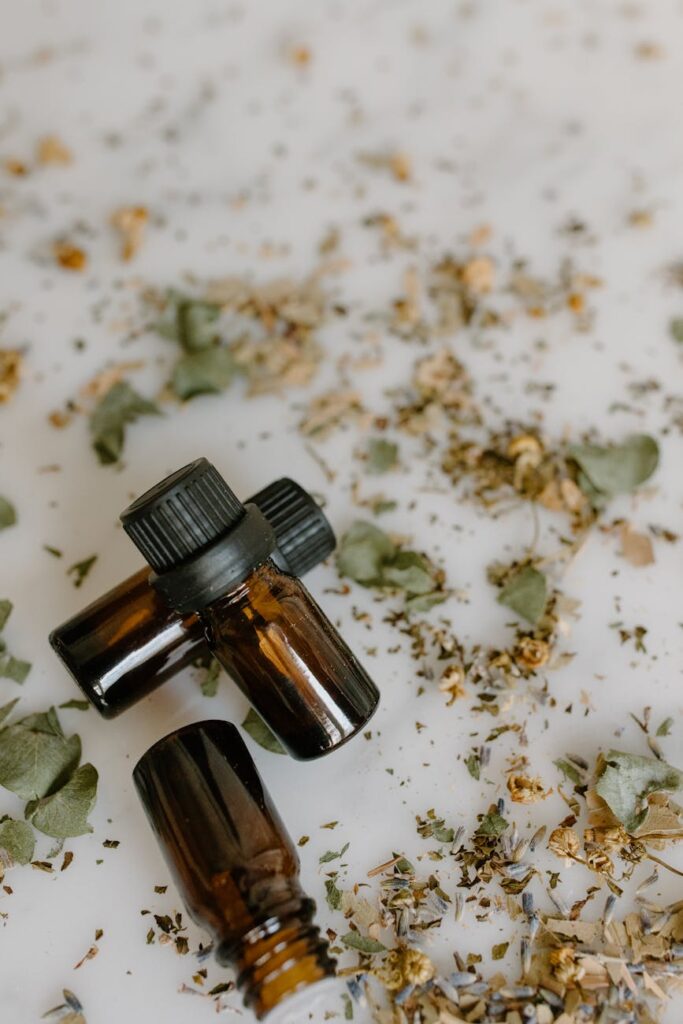
Store peppermint oil in a dark glass bottle to protect it from light, which can degrade the oil over time.
2. Cool, Dry Place
Keep the oil in a cool, dry place, away from direct sunlight and heat sources. This helps maintain its potency and aroma.
3. Check for Expiry
Essential oils typically have a shelf life of 1 to 3 years. However, this can vary based on storage conditions and the quality of the oil. Regularly check for any changes in aroma or appearance.
Frequently Asked Questions
1. Can I use steam distilled peppermint oil in cooking?
While some culinary-grade peppermint oils are available, it is essential to ensure that the oil is safe for consumption. Typically, aromatherapy-grade oils are not recommended for ingestion.
2. Is steam distilled peppermint oil safe for children?
Peppermint oil can be used around children but should be heavily diluted. It is advisable to consult with a healthcare professional before use in children under the age of two.
3. Can I mix peppermint oil with other essential oils?
Yes, peppermint oil blends well with various essential oils, including citrus oils, lavender, eucalyptus, and rosemary. Experimenting with different combinations can create unique aromatic profiles.
4. How can I tell if my peppermint oil is pure?
Look for oils labeled as 100% pure essential oil with no additives. Additionally, reputable brands often provide information regarding sourcing and extraction methods.
5. What should I do if I experience irritation from peppermint oil?
If irritation occurs, discontinue use immediately and wash the affected area with a carrier oil or mild soap and water. Consult a healthcare professional if symptoms persist.
Conclusion
Steam distilled peppermint oil is a remarkable essential oil with a rich history and diverse applications in aromatherapy. From enhancing mental clarity to promoting relaxation, its refreshing scent and beneficial properties make it a popular choice for many. By understanding its uses, benefits, and safety considerations, individuals can effectively incorporate peppermint oil into their daily routines for an uplifting aromatic experience.