
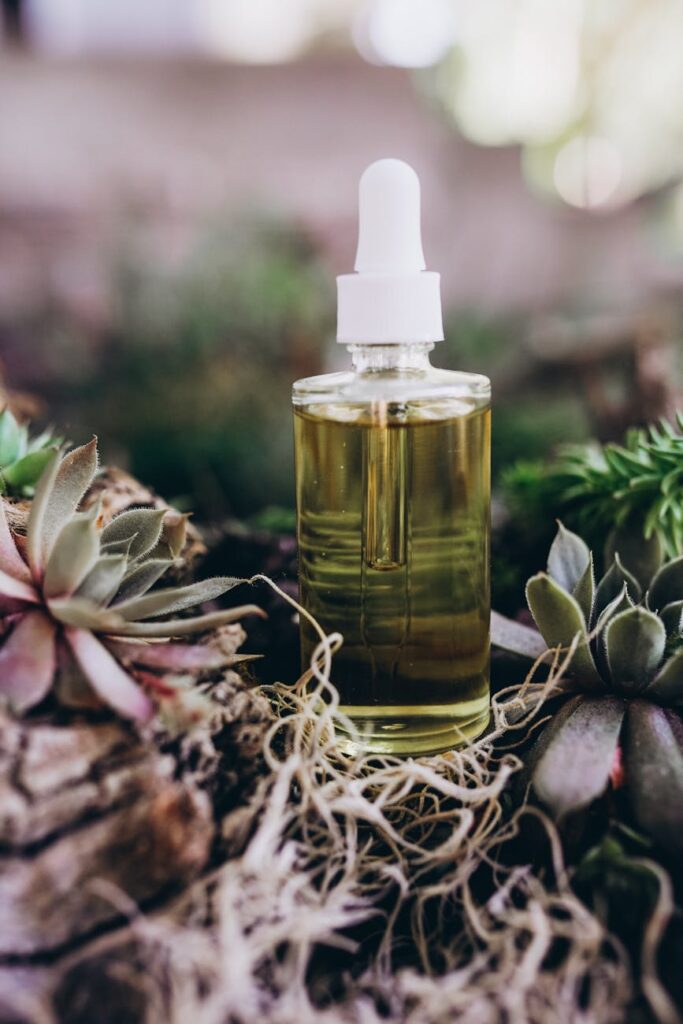
Aromatherapy Uses of Succulent Plants
Introduction
Aromatherapy is a holistic healing practice that employs the use of essential oils derived from various plants to enhance physical and emotional well-being. Among the diverse sources of essential oils are succulent plants, which are often celebrated for their unique structures, resilience, and aromatic qualities. This article delves into the fascinating world of succulent plants in the context of aromatherapy, exploring their properties, common uses, and safety considerations.
What Are Succulent Plants?
Succulent plants are a group of plants characterized by their thick, fleshy parts, usually modified to store water. These adaptations allow succulents to thrive in arid conditions, making them popular choices in dry and semi-arid climates. Common varieties include aloe vera, jade plant (Crassula ovata), and agave. Succulents belong to various botanical families, including Cactaceae, Crassulaceae, and Asparagaceae, each presenting a diverse array of forms and colors.
The appeal of succulents extends beyond their water-storing abilities; many also possess unique aromatic properties. This makes them not only visually appealing but also valuable in the realm of aromatherapy.
Key Benefits and Properties
Succulent plants offer a range of beneficial properties that enhance their use in aromatherapy:
1. Hydration and Moisture Retention: Due to their water-storing capabilities, succulent plants are often associated with hydration, which can be beneficial for maintaining skin health in topical applications.
2. Calming and Grounding Effects: Many succulent plants emit soothing aromas that can induce a sense of calm and relaxation, making them ideal for stress relief.
3. Antioxidant Properties: Some succulents, like aloe vera, are rich in antioxidants, which can help combat oxidative stress in the body.
4. Natural Antimicrobial Qualities: Essential oils from specific succulent plants may exhibit antimicrobial properties, contributing to their use in various wellness practices.
5. Adaptogenic Qualities: Certain succulents may possess adaptogenic properties, helping the body adapt to stress and maintain balance.
Common Uses
Succulent plants have found their way into various applications beyond just ornamental uses. Some common uses include:
- Home Decor: Their aesthetic appeal makes them popular choices for home decor.
- Skin Care: Many succulents, notably aloe vera, are used in cosmetic and skincare formulations for their hydrating and soothing properties.
- Household Products: Succulent extracts can be incorporated into cleaning products for their pleasant scents and potential antimicrobial qualities.
- Natural Remedies: In traditional practices, various succulent plants are utilized for their soothing and healing properties.
- Storage Conditions: Keep oils in a cool, dark place, away from direct sunlight and temperature fluctuations.
- Container Type: Use dark glass containers to minimize exposure to light.
- Shelf Life: Most essential oils have a shelf life of 1 to 3 years, depending on the plant source and storage conditions. Regularly check for changes in aroma or consistency, which may indicate that the oil has expired.
Aromatherapy Applications
In aromatherapy, succulent plants can be used in various forms to harness their aromatic and therapeutic properties:
Essential Oils
While not all succulents are used for their essential oils, some, like Agave and Aloe Vera, can be processed to extract oils that offer unique scents and benefits. These essential oils can be diffused, inhaled, or diluted in carriers for topical applications.
Hydrosols
Hydrosols, or floral waters, are created during the distillation process of essential oils and can be derived from succulent plants. They maintain the aromatic properties of the plant while being gentler on the skin.
Infused Oils
Infused oils can be made by steeping succulent leaves in a carrier oil, allowing the oil to absorb the plant’s beneficial properties. These oils can be used in massage or as a base for homemade skin care products.
Aromatherapy Blends
Succulent oils can be blended with other essential oils to create synergistic effects. For instance, combining the calming aroma of aloe with the uplifting scent of citrus oils can enhance mood and promote relaxation.
Safety Considerations
While succulents are generally safe for use, it is essential to consider the following safety guidelines:
1. Dilution: Always dilute essential oils before topical application to minimize the risk of skin irritation.
2. Patch Test: Conduct a patch test on a small area of skin to check for allergic reactions or sensitivities.
3. Consultation: If you are pregnant, nursing, or have specific health concerns, consult with a qualified professional before using essential oils.
4. Quality of Oils: Ensure that you purchase high-quality essential oils from reputable sources to avoid contamination or adulteration.
5. Storage: Store essential oils in dark glass bottles to protect them from light and heat, which can degrade their quality.
Storage and Shelf Life
Proper storage of succulent-derived essential oils and infused oils is crucial for maintaining their efficacy:
Frequently Asked Questions
1. Can all succulents be used for aromatherapy?
Not all succulents produce essential oils or have aromatic properties. Commonly used succulents in aromatherapy include aloe vera and agave.
2. How can I extract essential oils from succulents at home?
Extracting essential oils at home can be complex and requires specialized equipment. It’s often easier and safer to purchase high-quality essential oils from reputable suppliers.
3. Are there any side effects associated with using succulent essential oils?
While generally safe, some individuals may experience allergic reactions or skin sensitivities. Always conduct a patch test and consult with a qualified professional if you have concerns.
4. Can succulent-derived oils be ingested?
It is not advisable to ingest essential oils or infused oils without the guidance of a qualified health professional, as some oils may be toxic when consumed.
5. How can I incorporate succulent oils into my daily routine?
Succulent oils can be used in various ways, including diffusing, massage, or adding to skincare products. Experiment with different methods to find what works best for you.
Conclusion
Succulent plants offer a unique contribution to the world of aromatherapy, merging their aesthetic beauty with aromatic qualities and beneficial properties. By understanding the uses, benefits, and safety considerations associated with these fascinating plants, individuals can explore new avenues for enhancing their well-being through natural means. As with any holistic practice, it is essential to approach aromatherapy with knowledge and mindfulness, ensuring a safe and enriching experience.