
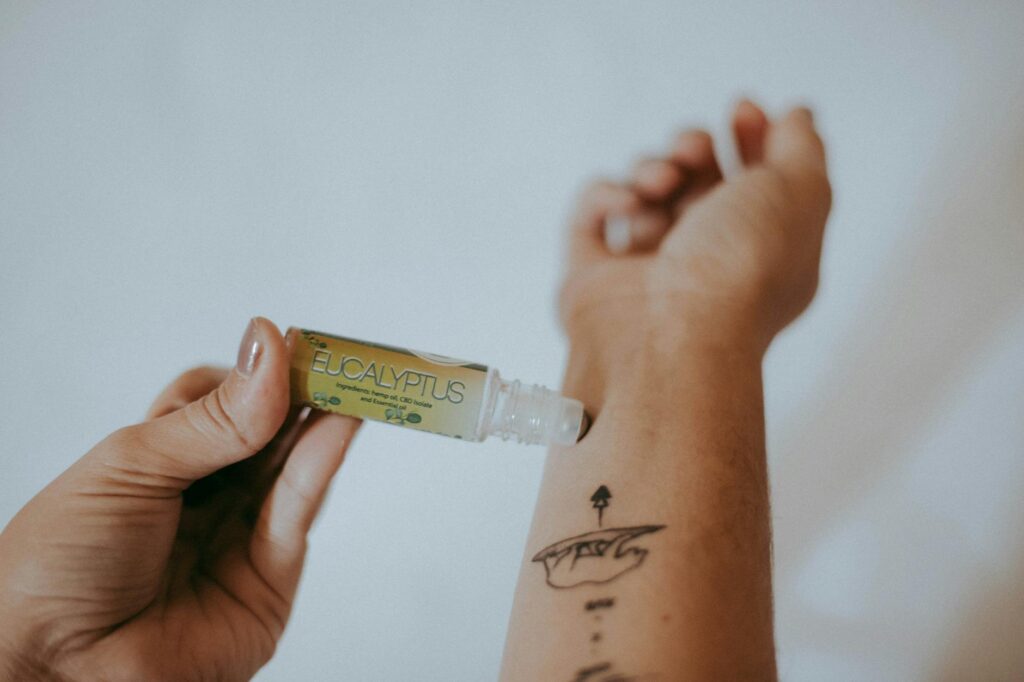
Aromatherapy Uses of Sunflower Oil
Introduction
Aromatherapy, an ancient practice that harnesses the therapeutic properties of essential oils, has gained significant popularity in recent years. Among the various carrier oils that serve as a base for these essential oils, sunflower oil stands out due to its unique composition and versatility. This article will explore the uses, benefits, and applications of sunflower oil in the realm of aromatherapy, as well as provide essential information regarding safety and storage.
What Is Sunflower Oil?
Sunflower oil is derived from the seeds of the Helianthus annuus plant, commonly known as the sunflower. The oil extraction process typically involves cold pressing or refining the seeds to yield a light, non-greasy oil. Sunflower oil is known for its pale yellow color and mild flavor, making it a popular choice not only in culinary applications but also in cosmetic and therapeutic formulations.
The oil is rich in essential fatty acids, vitamins, and antioxidants, contributing to its widespread use in skincare and aromatherapy.
Key Benefits and Properties
Sunflower oil offers numerous benefits that make it popular in both the culinary and therapeutic arenas. Some of its key properties include:
- Rich in Nutrients: Sunflower oil is high in vitamin E, an antioxidant that helps protect the skin from oxidative stress. It also contains vitamins A, C, and D, which contribute to skin health.
- Moisturizing: The oil is a natural emollient, meaning it can effectively lock in moisture and hydrate the skin, making it suitable for dry or sensitive skin types.
- Anti-inflammatory Properties: Sunflower oil has been noted for its potential anti-inflammatory effects, which can help soothe irritated skin.
- Non-comedogenic: This oil is unlikely to clog pores, making it a favorable option for individuals with oily or acne-prone skin.
- Lightweight Texture: Sunflower oil absorbs easily into the skin without leaving a greasy residue, making it a practical choice for massage and topical applications.
- Culinary Uses: It is often used in cooking and food preparation due to its high smoke point and mild flavor.
- Skincare: Sunflower oil is a common ingredient in lotions, creams, and serums, largely for its moisturizing and soothing properties.
- Hair Care: Often included in shampoos and conditioners, sunflower oil can help to nourish and strengthen hair.
- Massage Oil: Its lightweight and non-greasy texture make it an ideal carrier oil for massage therapies.
- Massage Therapy: Used as a base oil, sunflower oil allows for smooth application during massage. It can be blended with various essential oils such as lavender for relaxation or peppermint for revitalization.
- Skin Care Formulations: Sunflower oil can be mixed with essential oils like tea tree or frankincense to create personalized skincare treatments aimed at addressing specific concerns, such as acne or signs of aging.
- Aromatherapy Diffusion: While sunflower oil is not typically used for diffusion, it can be incorporated in oil blends that are intended for topical application, enhancing both therapeutic effects and skin benefits.
- Bath Oils: Adding sunflower oil to bathwater can create a soothing experience when combined with essential oils like chamomile or eucalyptus, promoting relaxation and well-being.
- Allergic Reactions: Although rare, some individuals may be allergic to sunflower oil. It’s advisable to perform a patch test before extensive use, especially for those with known allergies to sunflower seeds.
- Sensitivity to Essential Oils: When combining sunflower oil with essential oils, it is crucial to consider the potential for skin sensitivity. Conducting a patch test with the diluted mixture is recommended.
- Pregnancy and Nursing: While sunflower oil is generally safe for topical use, pregnant or nursing individuals should consult a healthcare professional before using any essential oils or therapeutic blends.
- Interactions with Medications: If you are on medication or have specific health conditions, it’s advisable to consult a healthcare provider before incorporating new oils into your routine.
- Storage Conditions: Store sunflower oil in a cool, dark place away from direct sunlight to prevent oxidation. Keeping it in a tightly sealed container will also help prolong its shelf life.
- Shelf Life: When stored properly, sunflower oil typically has a shelf life of about 12 months. However, it’s advisable to check for any off odors or changes in appearance before use, as these may indicate that the oil has gone rancid.
Common Uses
Sunflower oil is versatile and can be found in various applications, including:
Aromatherapy Applications
In aromatherapy, sunflower oil serves primarily as a carrier oil, helping to dilute essential oils for safe application. When combined with essential oils, sunflower oil enhances their absorption into the skin while providing additional benefits. Here are some specific applications:
Safety Considerations
While sunflower oil is generally considered safe for most individuals, a few safety considerations should be noted:
Storage and Shelf Life
Proper storage of sunflower oil is essential to maintain its quality and effectiveness:
Frequently Asked Questions
1. Can I use sunflower oil directly on my skin?
Yes, sunflower oil can be applied directly to the skin as a moisturizer or carrier oil. However, if you are combining it with essential oils, it is important to dilute them appropriately.
2. Is sunflower oil suitable for all skin types?
Due to its non-comedogenic nature and moisturizing properties, sunflower oil is generally suitable for most skin types, including oily and sensitive skin.
3. Can sunflower oil be used in aromatherapy diffusers?
While sunflower oil is primarily a carrier oil for topical applications, it is not typically used in diffusers. Essential oils should be used in a diffuser, while sunflower oil can be combined with essential oils for topical applications.
4. How can I incorporate sunflower oil into my daily routine?
You can use sunflower oil as a moisturizer, a base for massage oils, or as part of your skincare regimen. It can also be added to bath water for a soothing experience.
5. How do I know if sunflower oil has gone bad?
Signs that sunflower oil may have gone bad include a rancid smell, a change in color, or an off taste. If any of these signs are present, it’s best to discard the oil.
Conclusion
Sunflower oil serves as a valuable asset in the world of aromatherapy, offering a multitude of benefits ranging from its moisturizing properties to its ability to enhance the effectiveness of essential oils. Its versatility makes it a popular choice for various applications, from skincare to massage therapy. By understanding its properties, uses, and safety considerations, individuals can effectively incorporate sunflower oil into their holistic wellness routines, promoting overall well-being through the art of aromatherapy.