
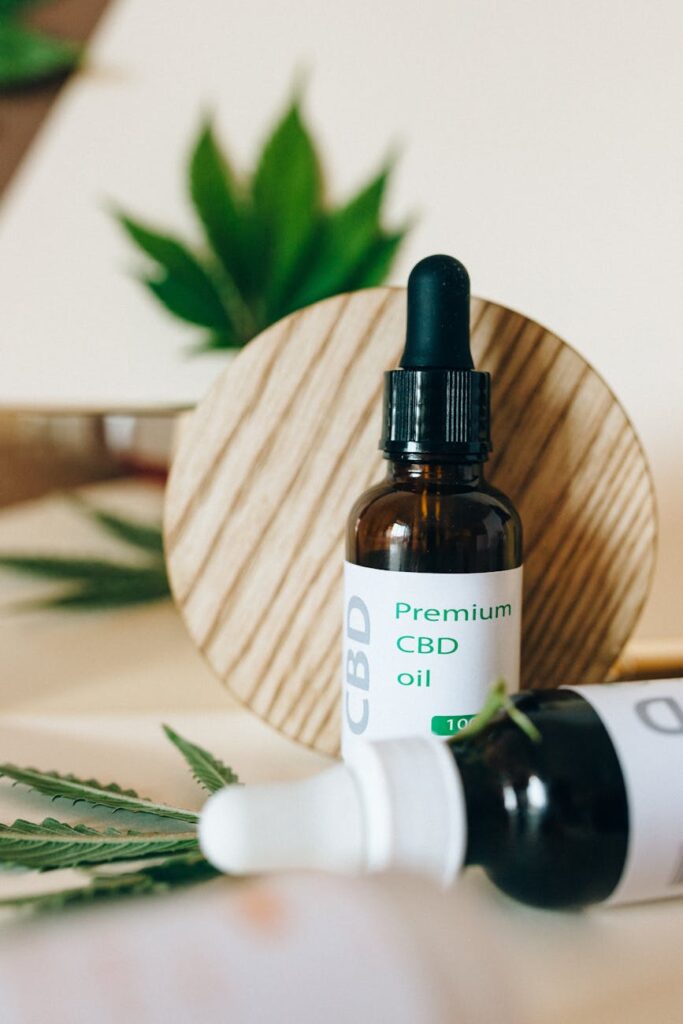
Aromatherapy Uses of Thyme Extract
Introduction
Aromatherapy is a holistic healing practice that harnesses the natural properties of essential oils for physical and emotional well-being. Among the myriad of essential oils available, thyme extract is particularly noteworthy for its diverse applications and potent properties. This article delves into the essence of thyme extract, exploring its benefits, common uses, and safety considerations in the context of aromatherapy.
What Is Thyme Extract?
Thyme extract is derived from the leaves and flowers of the Thymus vulgaris plant, commonly known as thyme. This perennial herb is part of the mint family, Lamiaceae, and is native to the Mediterranean region. Thyme has been utilized for centuries, both in culinary applications and traditional medicine, due to its aromatic qualities and potential therapeutic effects.
The extraction process typically involves steam distillation, which captures the volatile compounds responsible for thyme’s distinctive scent and properties. The resulting essential oil is characterized by its warm, herbaceous aroma, making it a popular choice in aromatherapy.
Key Benefits and Properties
Thyme extract is renowned for its rich composition of active constituents, including thymol, carvacrol, and linalool. These compounds contribute to its various benefits and properties:
- Antimicrobial Properties: Thyme extract is well-documented for its antimicrobial effects, which may help combat bacteria, fungi, and viruses. This makes it a valuable addition to cleaning products and personal care items.
- Antioxidant Effects: The presence of antioxidants in thyme extract can help neutralize free radicals, potentially supporting skin health and overall vitality.
- Respiratory Support: The soothing aroma of thyme is often associated with respiratory benefits, helping to clear congestion and promote easier breathing.
- Mood Enhancement: The uplifting scent of thyme may aid in reducing stress and anxiety, making it a popular choice for emotional balance.
- Culinary Uses: Thyme is a staple herb in many cuisines, known for its ability to enhance the flavor of meats, vegetables, and soups. While culinary uses are not the focus of this article, it’s worth noting that the flavor profiles of thyme and its extract can contribute to a holistic lifestyle.
- Household Cleaning: Due to its antimicrobial properties, thyme extract is often incorporated into natural cleaning products, providing a fresh scent while helping to disinfect surfaces.
- Personal Care Products: From soaps to shampoos, thyme extract is frequently added to personal care items for its aromatic qualities and potential skin benefits.
- Dilution: Always dilute thyme extract with a carrier oil before topical application to avoid skin irritation. A general guideline is to use a 2-3% dilution for adults, which equates to approximately 12-18 drops of essential oil per ounce of carrier oil.
- Allergic Reactions: Conduct a patch test prior to widespread application to check for any allergic reactions. Apply a small amount of diluted oil to a discreet area of skin and observe for any adverse responses over 24 hours.
- Pregnancy and Nursing: Pregnant or nursing individuals should consult with a healthcare professional before using thyme extract, as some essential oils may not be appropriate.
- Medical Conditions: Those with certain medical conditions, particularly those related to the thyroid or blood pressure, should exercise caution and consult a healthcare provider before using thyme extract.
- Children: Use caution when applying essential oils around children. It is advisable to consult a professional for appropriate usage guidelines tailored to younger age groups.
- Containers: Store thyme extract in dark glass bottles to protect it from light, which can degrade the oil over time.
- Temperature: Keep the oil in a cool, dry place, away from direct sunlight and heat sources. A temperature range of 60-75°F (15-24°C) is generally ideal.
- Shelf Life: When stored correctly, thyme extract can last for 1-2 years, though its potency may gradually diminish over time. Regularly check for changes in aroma, color, or viscosity, which may indicate that the oil has gone bad.
Common Uses
Thyme extract is utilized in a variety of applications, both in aromatherapy and beyond:
Aromatherapy Applications
In the realm of aromatherapy, thyme extract can be used in several ways:
1. Diffusion
One of the most common methods of using thyme extract in aromatherapy is through diffusion. Adding a few drops of thyme oil to an essential oil diffuser can fill a space with its warm, herbaceous aroma. This practice may help uplift the mood and create a calming atmosphere.
2. Topical Application
When diluted with a carrier oil, thyme extract can be used in massages or applied to specific areas of the body. This method can help harness its potential benefits for muscle tension and fatigue. Common carrier oils include coconut oil, jojoba oil, or sweet almond oil.
3. Bathing
Adding thyme extract to a warm bath can create a soothing experience. The steam released from the warm water can enhance the oil’s aromatic benefits, promoting relaxation while providing potential support for respiratory health.
4. Inhalation
Inhaling thyme extract directly from the bottle or by adding it to a bowl of hot water can provide immediate aromatic benefits. This technique may help clear nasal passages and promote easier breathing.
5. Scented Candles and Potpourri
Incorporating thyme extract into homemade candles or potpourri can enhance the ambiance of living spaces with its inviting aroma. This method not only adds scent but also may contribute to a calming environment.
Safety Considerations
While thyme extract offers numerous benefits, it is essential to adhere to safety guidelines when using essential oils:
Storage and Shelf Life
To ensure the longevity and potency of thyme extract, proper storage is crucial:
Frequently Asked Questions
1. Can thyme extract be ingested?
Thyme extract is primarily utilized for external applications and should not be ingested without the guidance of a qualified healthcare professional.
2. How does thyme extract compare to other essential oils?
Thyme extract is unique in its composition and properties, offering specific benefits such as antimicrobial effects and respiratory support. While other essential oils may share some benefits, thyme’s distinctive aroma and characteristics set it apart.
3. Is thyme extract safe for sensitive skin?
Sensitive skin may react differently to thyme extract. It is vital to conduct a patch test and dilute the oil adequately before use. If irritation occurs, discontinue use immediately.
4. Can thyme extract be used in homemade cleaning products?
Yes, thyme extract can be an effective ingredient in natural cleaning products due to its antimicrobial properties. However, it is essential to combine it with appropriate carrier ingredients for optimal effectiveness.
5. How can I enhance the effects of thyme extract in aromatherapy?
Combining thyme extract with complementary essential oils, such as lavender or eucalyptus, can enhance its aromatic and therapeutic effects. Creating a custom blend can tailor the experience to specific needs.
Conclusion
Thyme extract is a versatile essential oil with numerous applications in aromatherapy and holistic living. Its unique properties and benefits make it a valuable addition to any aromatherapy toolkit. Whether used for mood enhancement, respiratory support, or as a natural cleaning agent, thyme extract embodies the essence of nature’s therapeutic potential. As with all essential oils, mindful usage and safety precautions ensure a rewarding and enriching experience.