
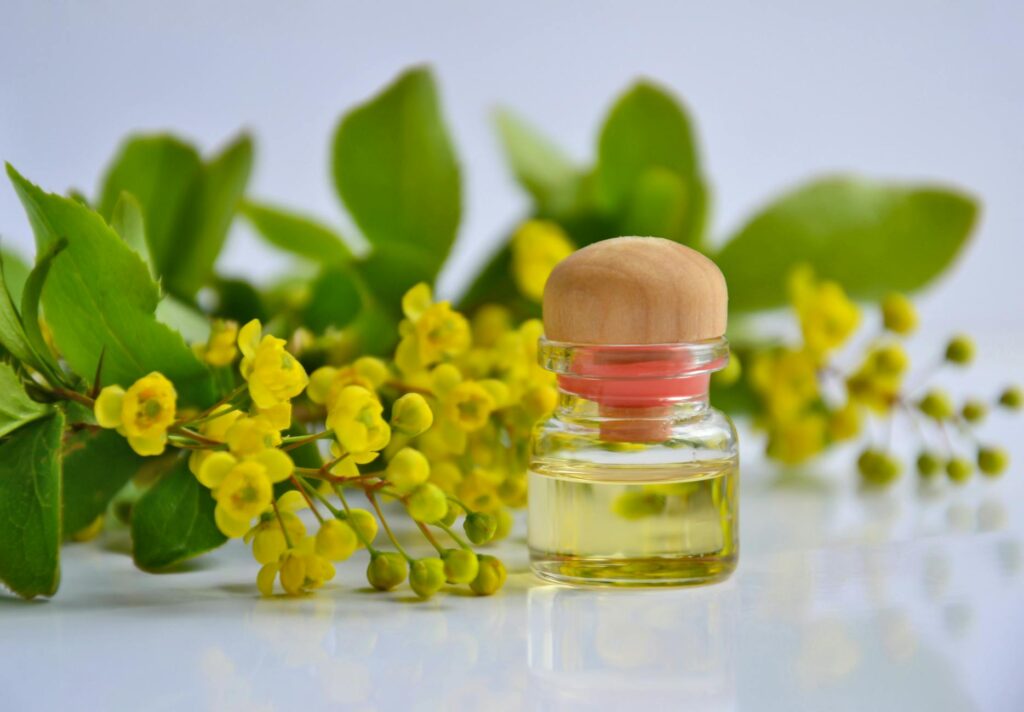
Aromatherapy Uses of Thyme Oil Safety
Introduction
Thyme oil, derived from the leaves of the Thymus vulgaris plant, is a popular essential oil celebrated for its aromatic properties and versatility in aromatherapy. This oil has been used for centuries in various cultures for its potential benefits, ranging from culinary applications to medicinal uses. However, like all essential oils, thyme oil must be used with caution. This article explores the safety considerations surrounding thyme oil, its benefits, common uses, and appropriate applications in aromatherapy.
What Is Thyme Oil Safety?
Thyme oil safety refers to the practices and precautions that should be taken when using thyme essential oil, encompassing aspects such as proper dilution, potential allergies, and contraindications. While thyme oil is generally regarded as safe for many individuals, various factors—including individual health conditions, skin sensitivity, and method of application—can influence its safe use. Understanding these factors is essential for anyone interested in incorporating thyme oil into their wellness regimen.
Key Benefits and Properties
Thyme oil is rich in various compounds that contribute to its therapeutic properties. Some of the key constituents include:
- Thymol: A natural monoterpenoid phenol that exhibits antiseptic and antifungal properties.
- Carvacrol: Known for its antimicrobial effects, carvacrol can support overall health.
- Linalool: This compound is often associated with calming effects and can improve mood.
- Antimicrobial Properties: Thyme oil has demonstrated efficacy against a variety of bacteria and fungi, making it a popular choice for natural cleaning products and topical applications.
- Respiratory Support: Inhalation of thyme oil may provide relief from respiratory issues due to its potential to clear congestion.
- Mood Enhancement: The aroma of thyme oil can be uplifting and may help reduce feelings of stress or anxiety.
- Digestive Aid: While not a substitute for medical treatment, thyme oil has been traditionally used to support digestive health.
- Aromatherapy Diffusion: Adding a few drops to a diffuser can promote a calming environment.
- Topical Applications: When diluted with a carrier oil, thyme oil can be applied to the skin for localized benefits.
- Household Cleaner: Its antimicrobial properties make thyme oil useful in homemade cleaning solutions.
- Culinary Uses: While not as common in essential oil form, thyme is often used in cooking and herbal remedies.
- Diffusion: Inhaling thyme oil through a diffuser can help create a tranquil atmosphere. It can be combined with other oils like lavender or eucalyptus for enhanced effects.
- Massage: When diluted with a carrier oil (such as sweet almond or jojoba oil), thyme oil can be used in massage therapy to relieve tension and promote relaxation.
- Bathing: Adding thyme oil to a warm bath can create a soothing experience; however, it should be blended with a dispersant like milk or a carrier oil to avoid skin irritation.
- Inhalation: Direct inhalation from a bottle or a steam inhalation can provide immediate respiratory benefits.
- Cool, Dark Place: Store thyme oil in a cool, dark location to prevent degradation from heat and light.
- Tight Seals: Ensure that the bottle is tightly sealed when not in use to minimize exposure to air and moisture.
- Expiration Date: Most essential oils, including thyme oil, have a shelf life of 1-3 years depending on the quality and storage conditions. Always check for any changes in aroma or appearance before use.
Potential Benefits
Common Uses
Thyme oil’s versatility allows it to be used in various forms:
Aromatherapy Applications
Thyme oil can be effectively used in several aromatherapy practices:
Safety Considerations
While thyme oil is generally safe for many individuals, certain precautions should be observed:
Dilution
Essential oils are highly concentrated and should always be diluted before topical application. A common dilution ratio for adults is 2-3 drops of thyme oil per teaspoon of carrier oil. For children or sensitive individuals, a higher dilution (1 drop per teaspoon) is advisable.
Skin Sensitivity
Patch testing is recommended for those using thyme oil for the first time. Apply a diluted amount to a small area of skin and wait 24 hours to check for any adverse reactions.
Allergies and Sensitivities
Individuals with known allergies to thyme or other plants in the Lamiaceae family (such as mint or basil) should avoid using thyme oil. Additionally, those with skin conditions or respiratory issues should consult a health professional before use.
Pregnancy and Nursing
Pregnant or nursing individuals should exercise caution and consult a healthcare provider before using thyme oil, as certain essential oils can affect hormonal balance and overall health.
Medical Conditions
Individuals with specific medical conditions (such as epilepsy or hypertension) should consult a healthcare provider before using thyme oil, as it may exacerbate certain conditions or interact with medications.
Storage and Shelf Life
Proper storage is essential for maintaining the integrity and potency of thyme oil. Here are some essential storage tips:
Frequently Asked Questions
Can thyme oil be ingested?
While thyme oil has culinary uses, it should not be ingested in essential oil form without the guidance of a qualified professional. Concentrated essential oils can be potent and may cause adverse reactions if consumed improperly.
Is thyme oil safe for children?
Thyme oil should be used with caution in children. Always dilute it appropriately and consider consulting a healthcare provider for guidance.
Can thyme oil be used during pregnancy?
Pregnant individuals should consult a healthcare provider before using thyme oil, as some essential oils can have hormonal effects.
What are the best carrier oils to use with thyme oil?
Common carrier oils include coconut oil, jojoba oil, and sweet almond oil. Choose a carrier oil based on personal preference and skin type.
How can I make a thyme oil diffuser blend?
A simple blend may include 3 drops of thyme oil, 3 drops of lavender oil, and 2 drops of lemon oil in a diffuser filled with water. Adjust the ratios to suit your preference.
Can thyme oil be used for pets?
Essential oils can be harmful to pets. Always consult a veterinarian before using thyme oil or any essential oil around animals.
Conclusion
Thyme oil is a versatile and aromatic essential oil with various applications in aromatherapy. Understanding its benefits, uses, and safety considerations is essential for anyone interested in incorporating this oil into their wellness routine. By adhering to safety guidelines and best practices, individuals can enjoy the potential benefits of thyme oil while minimizing risks. As with any essential oil, proper education and caution are key to safe and effective use.