
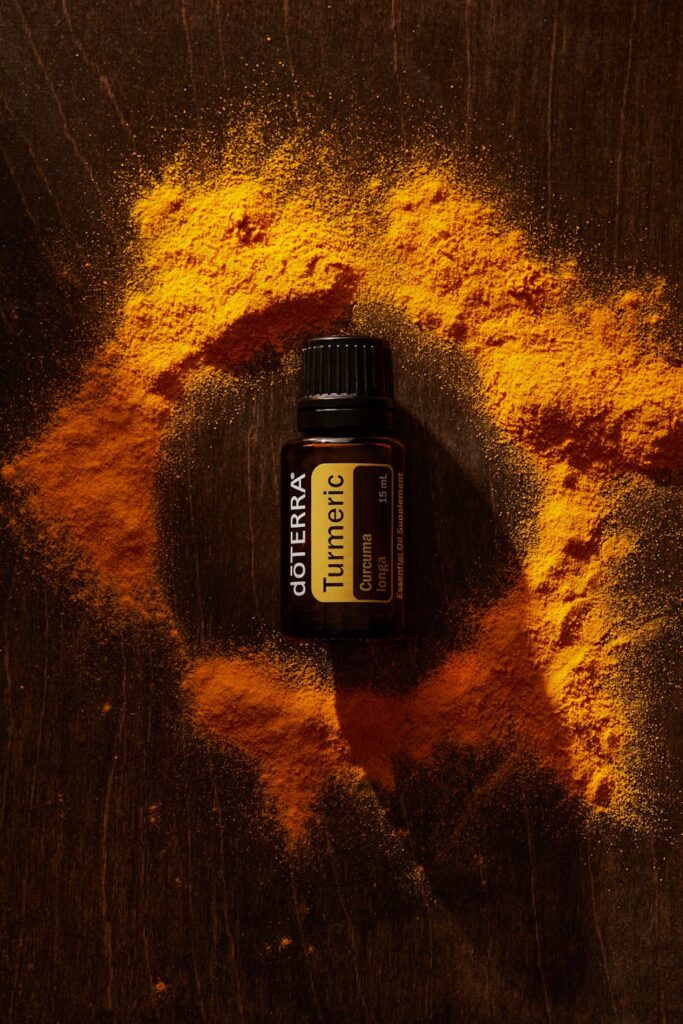
Aromatherapy Uses of Turmeric Extract
Introduction
Aromatherapy, a holistic healing practice that utilizes essential oils and aromatic compounds, has gained popularity for its ability to enhance physical, emotional, and mental well-being. Among the myriad of essential oils available, turmeric extract stands out for its unique properties and benefits. Derived from the rhizome of the Curcuma longa plant, turmeric has been celebrated for centuries, particularly in traditional medicine and culinary practices. This article delves into the aromatic uses of turmeric extract, exploring its properties, applications, and relevant safety considerations.
What Is Turmeric Extract?
Turmeric extract is obtained from the root of the Curcuma longa plant, a member of the ginger family. The extract is rich in curcumin, the primary active compound responsible for many of its health benefits, and other bioactive components such as turmerones and volatile oils. Turmeric is widely recognized for its vibrant yellow color and is commonly used in cooking, particularly in Asian cuisine. In aromatherapy, turmeric extract is appreciated not only for its fragrance but also for its therapeutic properties.
Key Benefits and Properties
Turmeric extract is renowned for a variety of beneficial properties, which contribute to its popularity in both culinary and therapeutic contexts:
- Anti-inflammatory Properties: Curcumin has demonstrated anti-inflammatory effects, making turmeric extract a popular choice for addressing inflammation-related concerns.
- Antioxidant Effects: The presence of antioxidants in turmeric extract helps combat oxidative stress, which can lead to cellular damage.
- Mood Enhancement: Some studies suggest that turmeric may positively influence mood and emotional well-being, making it a useful addition to aromatherapy practices aimed at relaxation and stress relief.
- Immune Support: Turmeric is believed to support the immune system, which can be beneficial during seasonal changes.
- Digestive Health: Traditionally, turmeric has been used to promote digestive health, which can also be enhanced through aromatic applications.
- Culinary Uses: Commonly used as a spice in cooking, turmeric adds flavor, color, and potential health benefits to dishes.
- Cosmetic Products: Due to its antioxidant and anti-inflammatory properties, turmeric extract is often incorporated into skincare products, promoting healthy skin.
- Traditional Medicine: In traditional systems such as Ayurveda, turmeric has been employed for various ailments, showcasing its long-standing importance in holistic health practices.
- Supplements: Turmeric extract is also available in supplement form, providing a concentrated source of its beneficial compounds.
- Diffusion: When diffused, turmeric extract can create a calming atmosphere, supporting relaxation and mental clarity. It can be blended with other essential oils such as lavender or bergamot for enhanced effects.
- Massage Oils: Turmeric extract can be diluted in carrier oils and used in massage blends. It may help promote relaxation while potentially providing anti-inflammatory benefits to the muscles and joints.
- Bath Products: Adding turmeric extract to bath salts or oils can create a soothing bathing experience. Its aromatic properties can enhance relaxation and promote a sense of well-being.
- Inhalation: Inhaling the scent of turmeric extract can be done through steam inhalation or by placing a few drops on a tissue. This method may support respiratory wellness and mental clarity.
- Skin Care: When diluted properly, turmeric extract can be added to skincare formulations to harness its antioxidant properties while providing a unique scent.
- Skin Sensitivity: It is advisable to perform a patch test before using turmeric extract topically, as some individuals may experience skin sensitivity or irritation.
- Dilution: Always dilute turmeric extract in a carrier oil when applying it to the skin or using it in massage blends to prevent potential irritation.
- Pregnancy and Nursing: Pregnant and nursing individuals should consult a healthcare professional before using turmeric extract, as its effects during these periods are not fully understood.
- Allergies: Individuals with known allergies to turmeric or related plants should avoid using turmeric extract.
- Consultation: Those with underlying health conditions or concerns should consult with a qualified professional before incorporating turmeric extract into their routine.
- Cool, Dark Place: Store turmeric extract in a cool, dark place, away from direct sunlight and heat sources. This helps preserve its aromatic and therapeutic properties.
- Tightly Sealed Containers: Use tightly sealed glass containers to prevent exposure to air, which can degrade the quality of the extract.
- Shelf Life: When stored properly, turmeric extract can last up to two years. However, it is advisable to check for changes in aroma or appearance as indicators of freshness.
These properties make turmeric extract a versatile ingredient in various aromatherapy blends and applications.
Common Uses
Turmeric extract is utilized in a range of applications beyond aromatherapy:
Aromatherapy Applications
In aromatherapy, turmeric extract is valued for its warm, earthy scent and its potential therapeutic benefits. Here are some common applications:
Safety Considerations
While turmeric extract is generally considered safe for various applications, certain precautions should be taken:
Storage and Shelf Life
To ensure the longevity and efficacy of turmeric extract, proper storage is essential:
Frequently Asked Questions
1. Can turmeric extract be ingested?
While turmeric is commonly used in cooking and supplements, turmeric extract for aromatherapy is typically reserved for external use. Ingesting essential oils can be hazardous, and it is essential to consult with a qualified health professional before considering any internal use.
2. Is turmeric extract safe for children?
Turmeric extract should be used with caution around children. Always consult a healthcare professional for guidance on the appropriate use of essential oils for children.
3. Can I mix turmeric extract with other essential oils?
Yes, turmeric extract can be blended with other essential oils to create unique and beneficial aromatic experiences. Popular combinations include lavender, eucalyptus, and sweet orange.
4. How do I use turmeric extract in a diffuser?
To use turmeric extract in a diffuser, simply add a few drops to the water reservoir, following the manufacturer’s instructions. Adjust the number of drops according to personal preference.
5. What should I do if I experience an allergic reaction?
If you experience any adverse reaction after using turmeric extract, discontinue use immediately and consult with a healthcare professional for advice.
Conclusion
Turmeric extract is a remarkable component of aromatherapy, offering a unique aroma and a range of potential benefits. Whether used for relaxation, skin care, or creating a calming environment, its warm and earthy scent can be a valuable addition to many aromatic practices. By understanding its properties, common uses, and safety considerations, individuals can effectively incorporate turmeric extract into their holistic wellness routines. As always, it is essential to approach aromatherapy thoughtfully and to seek guidance when necessary for the best results.