
Aromatherapy Uses of Vetiver Oil Safety
Introduction
Aromatherapy, a holistic healing practice, utilizes essential oils extracted from plants to promote physical, emotional, and mental well-being. Among the myriad of essential oils available, vetiver oil stands out for its unique aromatic profile and diverse applications. Derived from the roots of the vetiver plant (Chrysopogon zizanioides), this oil is celebrated not only for its earthy and grounding scent but also for its versatility in various therapeutic practices. This article delves into the safety of vetiver oil, its benefits, common uses, and essential safety considerations.
What Is Vetiver Oil Safety?
Vetiver oil is extracted through steam distillation of the roots of the vetiver plant, a perennial grass native to India. Safety in the context of aromatherapy refers to the proper usage and application of essential oils to avoid adverse effects. While vetiver oil is generally recognized as safe for use in aromatherapy, understanding its properties and potential interactions is vital for ensuring a safe and effective experience.
Key Benefits and Properties
Vetiver oil is known for its rich, smoky aroma and a wide range of benefits:
1. Calming and Grounding: The oil is often used for its calming effects, making it an excellent choice for reducing stress and anxiety.
2. Antiseptic and Anti-inflammatory: Vetiver oil possesses antiseptic properties, which can support skin health and soothe irritation.
3. Mood Enhancement: Its grounding scent can promote emotional balance and uplift moods, making it popular in meditation practices.
4. Sleep Aid: Many individuals find that vetiver oil aids in improving sleep quality, thanks to its sedative properties.
5. Skin Care: The oil is often incorporated into skin care products for its beneficial effects on various skin conditions.
Common Uses
Vetiver oil has a variety of applications, including:
- Aromatherapy Blends: Often combined with other essential oils like lavender or bergamot for enhanced emotional support.
- Massage Oils: Frequently used in massage therapy due to its calming effects.
- Diffusers: Added to aromatherapy diffusers to create a soothing environment.
- Bath Additives: Used in bath products to promote relaxation.
- Skin Care: Incorporated into lotions or creams, particularly for dry skin or irritations.
Aromatherapy Applications
Vetiver oil can be applied in several ways:
1. Diffusion
Using a diffuser, vetiver oil can be dispersed into the air, allowing its calming properties to envelop a space. This method is ideal for creating a serene environment conducive to relaxation or meditation.
2. Topical Application
When diluted with a carrier oil (such as jojoba or sweet almond oil), vetiver oil can be applied to the skin. This method is particularly effective for localized issues, such as skin irritations or muscle tension.
3. Inhalation
Direct inhalation from the bottle or by adding a few drops to a cotton ball can provide immediate benefits, especially in stressful situations.
4. Bathing
Adding vetiver oil to a warm bath can enhance relaxation and provide a soothing experience for the skin and mind.
Safety Considerations
While vetiver oil is generally safe for most individuals, there are several safety considerations to keep in mind:
1. Dilution
Essential oils are highly concentrated and should be diluted with a carrier oil before topical application. A common dilution ratio is 2-3 drops of essential oil per teaspoon of carrier oil.
2. Skin Sensitivity
Perform a patch test before using vetiver oil topically. Apply a diluted amount to a small area of skin and observe for any adverse reactions over 24 hours.
3. Pregnancy and Nursing
Pregnant or nursing individuals should consult a qualified aromatherapist or healthcare provider before using vetiver oil to ensure safety.
4. Interaction with Medications
Vetiver oil may interact with certain medications. Individuals on medication, particularly those affecting the central nervous system, should seek professional guidance before use.
5. Storage
To maintain the integrity of the oil, store vetiver oil away from direct sunlight and heat sources. Keeping it in a cool, dark place will help preserve its therapeutic properties.
Storage and Shelf Life
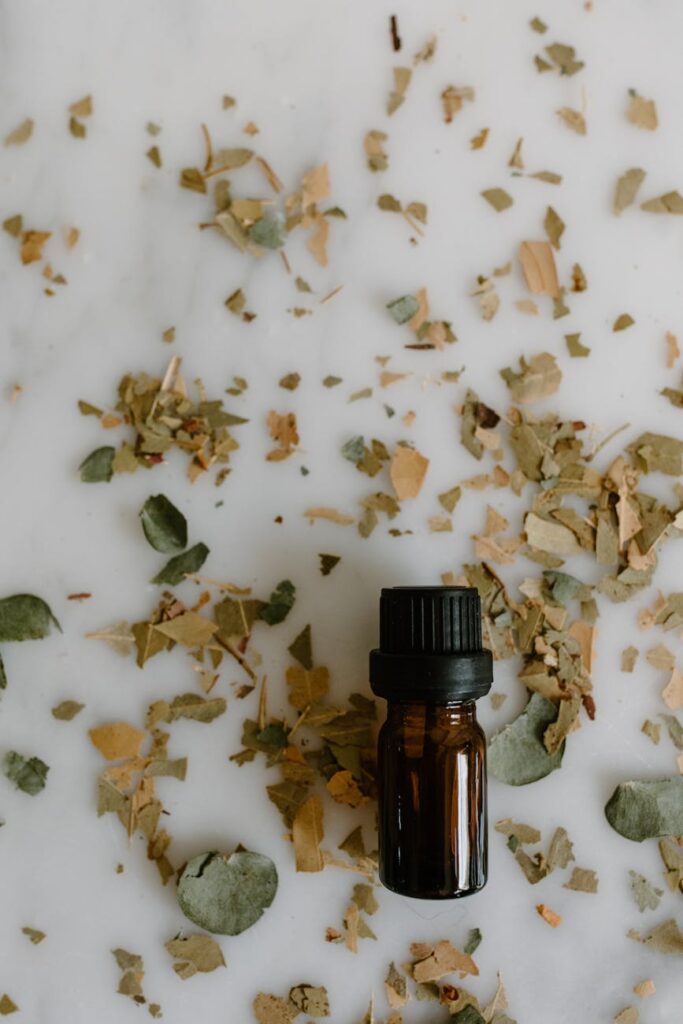
Vetiver oil has a relatively long shelf life compared to other essential oils. When stored properly in a dark glass bottle away from light and heat, it can last for 3 to 5 years. However, it’s advisable to check for any changes in color, scent, or consistency, as these may indicate that the oil has degraded.
Frequently Asked Questions
1. Can vetiver oil be ingested?
Vetiver oil is not recommended for ingestion unless under the guidance of a qualified healthcare professional.
2. Is vetiver oil safe for children?
While vetiver oil can be safe for children when properly diluted, it’s best to consult with a pediatrician or qualified aromatherapist for specific recommendations.
3. How can I combine vetiver oil with other essential oils?
Vetiver oil blends well with various oils, including lavender, bergamot, frankincense, and sandalwood. Experimenting with different combinations can lead to personalized blends tailored to individual preferences.
4. What should I do if I experience an adverse reaction?
If an adverse reaction occurs, discontinue use immediately. Rinse the affected area with a carrier oil (not water) and seek medical attention if necessary.
5. Is vetiver oil safe for pets?
While some essential oils can be harmful to pets, vetiver oil is generally considered safe in small amounts. However, it’s crucial to consult with a veterinarian before using any essential oils around pets.
Conclusion
Vetiver oil offers a unique blend of calming and grounding properties, making it a valuable addition to the aromatherapy toolkit. While its benefits are substantial, understanding safety precautions is essential for a positive experience. By adhering to proper usage guidelines and being informed about potential interactions, individuals can enjoy the rich, earthy scent of vetiver oil and its therapeutic effects safely and effectively. Whether used in aromatherapy, massage, or skin care, vetiver oil continues to be a cherished essential oil in holistic practices worldwide.