
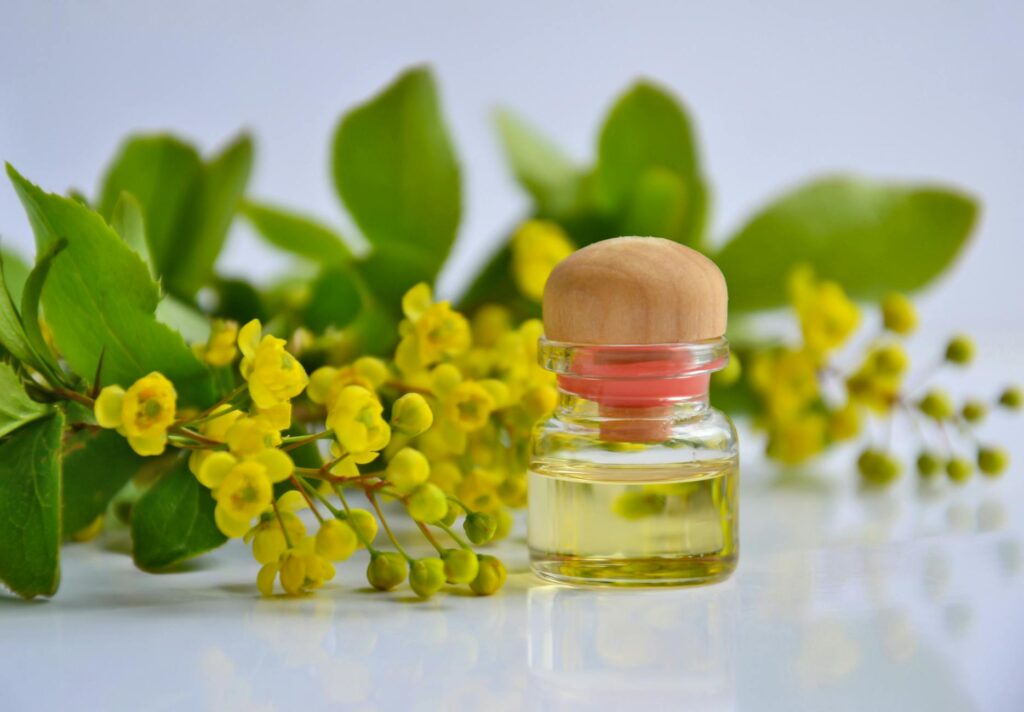
Aromatherapy Uses of Walnut Oil
Introduction
Aromatherapy, an ancient practice that employs the use of essential oils and other aromatic compounds, has gained significant attention in modern wellness culture. Among the variety of carrier oils utilized in this field, walnut oil stands out for its unique properties and versatile applications. This article explores the characteristics, benefits, and uses of walnut oil, particularly in the context of aromatherapy.
What Is Walnut Oil?
Walnut oil is derived from the nuts of the walnut tree (Juglans regia), which is native to regions of Asia and Europe but is now cultivated in various parts of the world, including North America. The oil is extracted through cold pressing the nuts, resulting in a rich, golden-brown liquid that has a distinct flavor and aroma. Walnut oil is rich in essential fatty acids, including omega-3 and omega-6 fatty acids, making it a popular choice in culinary applications as well as in skincare and aromatherapy.
Key Benefits and Properties
Nutritional Profile
Walnut oil is praised for its high content of polyunsaturated fats, particularly omega-3 and omega-6 fatty acids. These essential fatty acids are crucial for various bodily functions, including cellular health and inflammation regulation. The oil also contains antioxidants, such as tocopherols and polyphenols, which help combat oxidative stress.
Skin Care
In aromatherapy, walnut oil is often used for its emollient properties. It can help to moisturize and nourish the skin, making it suitable for dry or sensitive skin types. Its high fatty acid content promotes skin barrier function and can aid in soothing irritated skin.
Antioxidant Properties
The presence of antioxidants in walnut oil helps protect cells from oxidative damage. This characteristic makes it beneficial not only for skin care but also for overall wellness.
Anti-Inflammatory Effects
While research is ongoing, some studies suggest that walnut oil may possess anti-inflammatory properties. This can be particularly beneficial in various topical applications, making it a valuable addition to aromatherapy blends.
Common Uses
Walnut oil can be utilized in several ways, both in culinary practices and holistic wellness. Below are some of its common applications:
- Culinary Uses: It is often used in salad dressings, marinades, and as a finishing oil due to its rich flavor.
- Skin Care: Walnut oil can be found in various cosmetic products, including moisturizers, creams, and massage oils.
- Hair Care: Its moisturizing properties make it a popular choice for hair oils and treatments aimed at promoting shine and softness.
- Aromatherapy Blends: As a carrier oil, walnut oil is commonly combined with essential oils to create soothing blends for massage and topical applications.
- Allergies: Individuals with nut allergies should avoid using walnut oil, as it may trigger allergic reactions.
- Skin Sensitivity: A patch test is recommended to ensure no adverse reactions occur when applying walnut oil topically.
- Pregnancy and Nursing: Pregnant or nursing individuals should consult with healthcare providers before using walnut oil in aromatherapy.
- Dilution: As with all carrier oils, walnut oil should be diluted with essential oils at appropriate ratios to avoid skin irritation.
- Storage Conditions: Store walnut oil in a cool, dark place, away from direct sunlight and heat sources. A dark glass bottle can help protect it from light, which can degrade its quality.
- Shelf Life: When stored properly, walnut oil typically has a shelf life of about 12-24 months. It is advisable to check for any off smells or changes in appearance before use, as these may indicate rancidity.
Aromatherapy Applications
In the realm of aromatherapy, walnut oil serves as an excellent carrier oil, enhancing the efficacy of essential oils while providing its own unique benefits. Below are several applications of walnut oil in aromatherapy:
Massage
When blended with essential oils, walnut oil can be used for therapeutic massage. Its emollient properties allow for smooth application and absorption, while its nourishing components can help soothe the skin.
Diffusion
While walnut oil is primarily used as a carrier oil, it can also be employed to diffuse certain essential oils. When mixed with oils like lavender or bergamot, walnut oil can help create a calming atmosphere.
Skin Treatments
In aromatherapy, walnut oil can be mixed with essential oils known for their skin-enhancing properties, such as tea tree or chamomile. This combination can be applied topically to help nourish and protect the skin.
Aromatherapy Inhalation
Inhalation of essential oils diluted in walnut oil can provide emotional and psychological benefits. For example, combining walnut oil with uplifting oils like sweet orange or peppermint may promote feelings of happiness and energy.
Safety Considerations
While walnut oil is generally regarded as safe for use in aromatherapy and skincare, certain precautions should be observed:
Storage and Shelf Life
Proper storage of walnut oil is essential to maintain its quality and extend its shelf life. Here are some guidelines:
Frequently Asked Questions
Can walnut oil be used for cooking?
Yes, walnut oil is often used in culinary applications, particularly in dressings and as a finishing oil. However, it is not recommended for high-heat cooking, as this can compromise its nutritional value.
Is walnut oil suitable for all skin types?
Walnut oil is generally safe for most skin types, but individuals with nut allergies or very sensitive skin may want to exercise caution. A patch test is advisable before widespread application.
Can walnut oil be used on hair?
Absolutely! Walnut oil can be applied to hair as a conditioning treatment. Its rich fatty acid content helps nourish and hydrate hair, promoting shine and softness.
How does walnut oil compare to other carrier oils?
Each carrier oil has its unique properties. Walnut oil is particularly valued for its high polyunsaturated fat content and antioxidant properties, which may offer benefits not found in other oils like coconut or olive oil.
What essential oils pair well with walnut oil?
Walnut oil can be blended with a variety of essential oils. Popular choices include lavender for relaxation, tea tree for skin health, and citrus oils like sweet orange for uplifting effects.
Conclusion
Walnut oil serves as a multifaceted component in the world of aromatherapy and holistic health. Its nourishing properties, coupled with its compatibility with essential oils, make it a valuable addition to any wellness routine. Whether used alone or in combination with other oils, walnut oil offers a rich sensory experience that can enhance both physical and emotional well-being. As with any natural product, understanding its uses and safety considerations will ensure a rewarding experience in aromatherapy practices.