
Aromatherapy Uses of Wintergreen Oil Safety
Introduction
Wintergreen oil, derived primarily from the leaves of the Gaultheria procumbens plant, has been utilized for centuries in various traditional practices, particularly in herbal medicine and aromatherapy. Its distinct minty aroma and unique properties make it a popular choice among aromatherapists and enthusiasts alike. However, while wintergreen oil offers numerous benefits, it is essential to approach its usage with a thorough understanding of its safety profile. This article delves into the various aspects of wintergreen oil safety, including its benefits, common applications, and precautions to consider.
What Is Wintergreen Oil Safety?
Wintergreen oil is extracted through steam distillation or solvent extraction, primarily from the leaves of the wintergreen plant. The oil contains a high concentration of methyl salicylate, a compound that imparts its characteristic scent and therapeutic properties. While wintergreen oil can provide several benefits, including muscle relaxation and stress relief, its safety is paramount.
Understanding the safety of wintergreen oil involves recognizing its potential side effects, contraindications, and the appropriate methods of application. It is particularly important to note that wintergreen oil is potent, and improper use can lead to adverse effects.
Key Benefits and Properties
Wintergreen oil is renowned for its various therapeutic properties, making it a popular choice in aromatherapy:
1. Analgesic Properties: Methyl salicylate acts as a natural pain reliever, making wintergreen oil useful for alleviating muscle aches, joint pain, and tension headaches.
2. Anti-inflammatory Effects: The oil has anti-inflammatory properties that can help reduce swelling and inflammation, particularly in sore muscles and joints.
3. Antiseptic Qualities: Wintergreen oil possesses antiseptic properties, potentially aiding in the prevention of infections in minor cuts and wounds.
4. Relaxation and Stress Relief: The refreshing scent of wintergreen can promote relaxation and mental clarity, making it beneficial for stress relief.
5. Respiratory Support: When inhaled, wintergreen oil may help clear the respiratory tract, making it easier to breathe.
Common Uses
Wintergreen oil has a variety of applications, both in aromatherapy and other practices:
- Massage Therapy: Often blended with carrier oils for topical application to relieve muscle soreness and tension.
- Diffusion: Used in aromatherapy diffusers to create a refreshing and uplifting atmosphere.
- Bath Products: Incorporated into bath oils or salts for a soothing, aromatic bath experience.
- Inhalation: Used in steam inhalation to alleviate respiratory discomfort.
- Household Cleaning: Its antiseptic properties make it suitable for use in natural cleaning products.
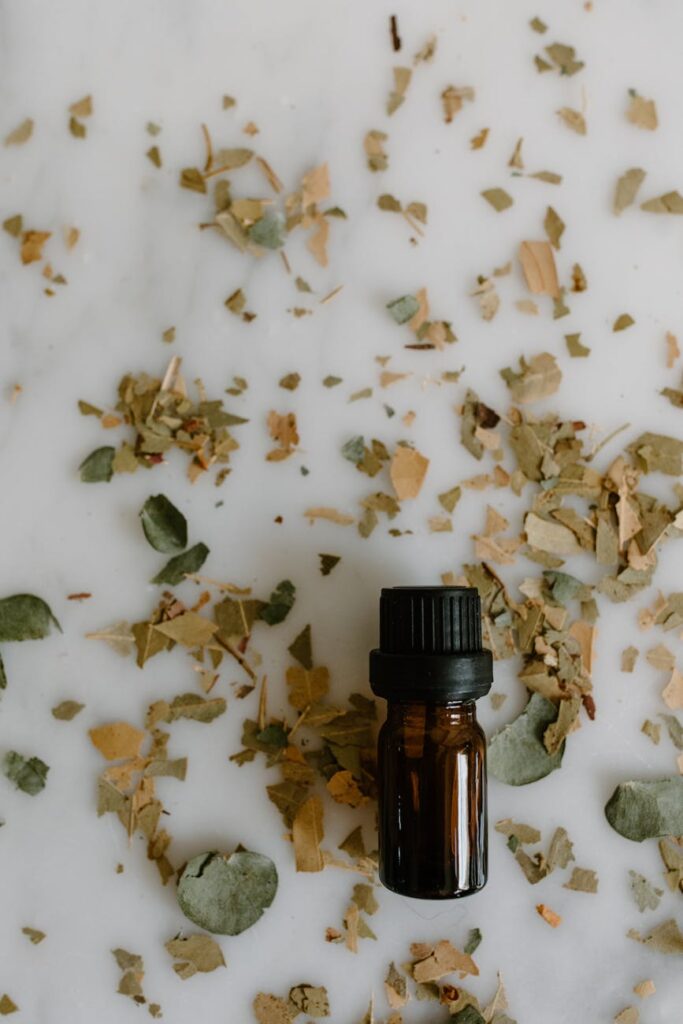
- Storage Conditions: Store wintergreen oil in a cool, dark place away from direct sunlight. It is best kept in a dark glass container to protect it from light exposure.
- Shelf Life: When stored correctly, wintergreen oil can last for about 1 to 2 years. However, always check for any changes in aroma, consistency, or color, which may indicate spoilage.
Aromatherapy Applications
In aromatherapy, wintergreen oil is often employed in various forms:
1. Inhalation
Inhaling wintergreen oil can provide quick relief from stress and fatigue. A few drops can be added to a bowl of hot water for steam inhalation, allowing the aroma to fill the space and promote relaxation.
2. Topical Application
When diluted with a carrier oil such as jojoba, coconut, or sweet almond oil, wintergreen oil can be massaged into sore muscles or joints. This method leverages its analgesic properties and enhances circulation.
3. Diffusion
Using a diffuser, wintergreen oil can be combined with other essential oils like lavender or eucalyptus to create a calming environment. This method allows the oil’s aroma to permeate the air, facilitating relaxation and mental clarity.
4. Bathing
Adding wintergreen oil to bathwater can provide a soothing experience, especially after physical exertion. Always ensure that it is properly diluted to prevent skin irritation.
Safety Considerations
While wintergreen oil has numerous benefits, safety is crucial:
1. Skin Sensitivity: Wintergreen oil can cause skin irritation or sensitization if used undiluted. Always dilute it with a suitable carrier oil before topical application.
2. Contraindications: Individuals pregnant or nursing, children, and those with certain medical conditions should avoid using wintergreen oil unless advised by a qualified healthcare professional.
3. Ingestion Risks: Ingesting wintergreen oil is not recommended due to its high concentration of methyl salicylate, which can be toxic in large amounts. Always consult with a healthcare professional before considering internal use.
4. Allergic Reactions: Some individuals may experience allergic reactions to wintergreen oil. Conduct a patch test before extensive use to check for any adverse reactions.
5. Drug Interactions: Methyl salicylate can interact with certain medications, particularly blood thinners. Consult with a healthcare provider if you are on medication.
Storage and Shelf Life
Proper storage of wintergreen oil is essential to maintain its quality and efficacy:
Frequently Asked Questions
1. Is wintergreen oil safe for children?
Wintergreen oil is generally not recommended for children due to its potency and potential for skin irritation. Always consult with a healthcare provider before using it on children.
2. Can wintergreen oil be used in cooking?
Wintergreen oil should not be ingested unless under the guidance of a qualified healthcare professional due to the risk of toxicity. It is primarily used for aromatherapy and topical applications.
3. What are the signs of wintergreen oil spoilage?
Signs of spoilage may include a change in color, consistency, or a rancid smell. If any of these signs are present, it is advisable to discard the oil.
4. Can wintergreen oil be mixed with other essential oils?
Yes, wintergreen oil can be blended with other essential oils. Popular combinations include eucalyptus, peppermint, and lavender, which can create synergistic effects.
5. How can I perform a patch test for sensitivity?
To perform a patch test, dilute a small amount of wintergreen oil in a carrier oil and apply it to a small area of skin, preferably on the inner arm. Wait 24 hours to see if any irritation or allergic reaction occurs.
Conclusion
Wintergreen oil is a versatile and potent essential oil that offers numerous benefits in aromatherapy. However, understanding its safety profile is crucial for effective and responsible use. By adhering to proper dilution practices, being aware of potential contraindications, and considering individual health conditions, one can safely enjoy the aromatic and therapeutic properties of wintergreen oil. Always consult with a qualified professional for tailored guidance and ensure that your aromatherapy practices are both safe and effective.