
Aromatherapy Uses of Wintergreen Oil
Introduction
Aromatherapy is a holistic practice that utilizes essential oils to promote physical, emotional, and mental well-being. One such oil that has gained popularity for its unique properties is wintergreen oil. Extracted from the leaves of the Gaultheria procumbens plant, wintergreen oil has a long history of use in traditional medicine and continues to be utilized in modern aromatherapy. This article explores the origins, properties, applications, and safety considerations associated with wintergreen oil, providing a comprehensive overview for those interested in its benefits.
What Is Wintergreen Oil?
Wintergreen oil is derived from the leaves of the wintergreen plant, known scientifically as Gaultheria procumbens. This perennial herb is native to North America and is often found in moist, wooded areas. The oil is obtained through steam distillation of the leaves, yielding a clear to pale yellow liquid with a distinct, sweet, and minty aroma.
The primary component of wintergreen oil is methyl salicylate, which constitutes about 85-99% of its composition. This compound not only contributes to its characteristic scent but also accounts for many of its therapeutic properties. Traditionally, wintergreen has been used in various cultural practices, from indigenous healing rituals to modern-day aromatherapy.
Key Benefits and Properties
Wintergreen oil is celebrated for its numerous properties, making it a sought-after ingredient in aromatherapy and personal care products. Some of its key benefits include:
- Analgesic Effects: The oil is known for its pain-relieving properties, making it a popular choice for muscle and joint discomfort.
- Anti-inflammatory: Wintergreen oil may help reduce inflammation, making it beneficial for conditions characterized by swelling and redness.
- Antiseptic: Its antiseptic qualities make it useful in topical applications for minor cuts and scrapes.
- Aromatherapeutic Benefits: The refreshing scent of wintergreen oil can uplift mood and promote mental clarity, making it a favorite in diffusers and inhalation practices.
- Massage Oil: When diluted with a carrier oil, wintergreen oil can be used for massage to relieve sore muscles and joints.
- Topical Applications: It is often included in creams and ointments aimed at alleviating minor aches and pains.
- Inhalation: The invigorating scent makes wintergreen oil a popular choice for inhalation, whether through a diffuser or steam inhalation.
- Home Cleaning Products: Its antiseptic properties make it a natural choice for cleaning solutions, helping to purify the air and surfaces.
- Dilution: Wintergreen oil is highly concentrated and should always be diluted with a carrier oil before topical application. A typical dilution ratio is 1-3 drops of essential oil per teaspoon of carrier oil.
- Skin Sensitivity: Some individuals may experience skin irritation or allergic reactions. It is advisable to perform a patch test before widespread use.
- Pregnancy and Nursing: Pregnant or nursing women should consult with a healthcare professional before using wintergreen oil.
- Children: Due to its potency, wintergreen oil is generally not recommended for use in children under the age of two.
- Ingestion: Wintergreen oil should never be ingested. Methyl salicylate, its primary component, can be toxic when consumed in large amounts.
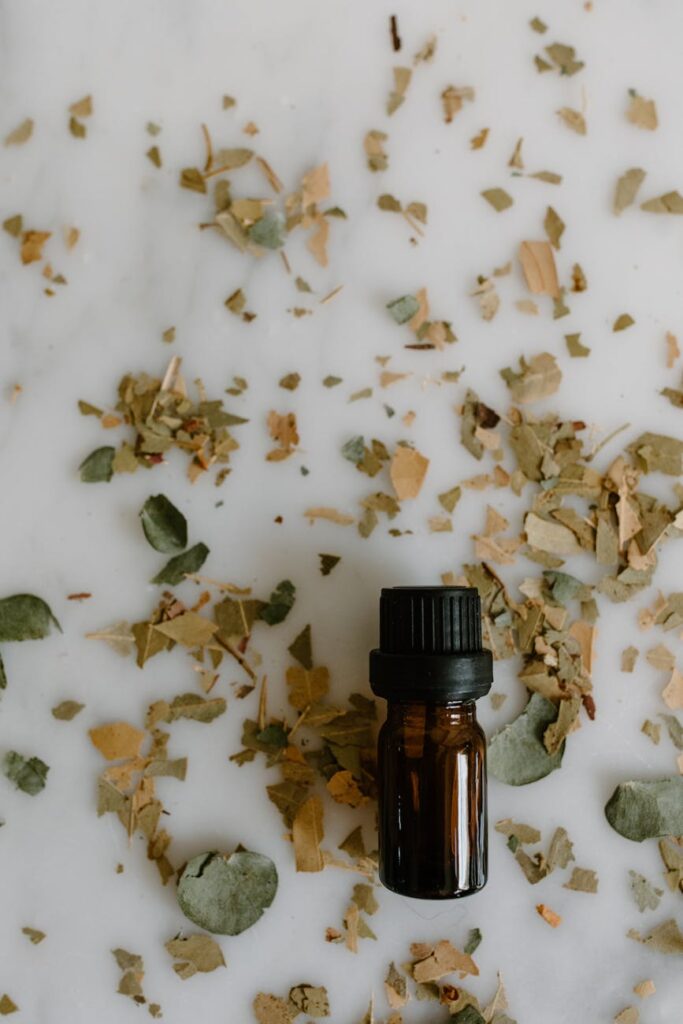
- Containers: Store wintergreen oil in a dark glass bottle to protect it from light degradation.
- Environment: Keep the oil in a cool, dry place, away from direct sunlight and heat sources.
- Shelf Life: When stored correctly, wintergreen oil can last for several years. However, it is advisable to check for any changes in scent or appearance before use, as these may indicate degradation.
Due to these properties, wintergreen oil is often incorporated into massage oils, lotions, and various personal care products.
Common Uses
Wintergreen oil has a variety of applications in both aromatherapy and everyday life. Here are some common uses:
Aromatherapy Applications
In the realm of aromatherapy, wintergreen oil is employed in various ways to enhance well-being. Here are some popular methods of application:
Diffusion
Using a diffuser is one of the most common methods of enjoying the benefits of wintergreen oil. When diffused, its uplifting scent can create a refreshing atmosphere, helping to alleviate stress and promote a sense of clarity. A few drops of wintergreen oil can be added to a diffuser, either alone or blended with other essential oils like eucalyptus or peppermint for a synergistic effect.
Inhalation
Wintergreen oil can be inhaled directly from the bottle or applied to a cotton ball for a quick pick-me-up. This method can be particularly useful during times of fatigue or mental fog, as the invigorating aroma may help to sharpen focus and enhance mood.
Bathing
Adding wintergreen oil to a warm bath can create a soothing experience for tired muscles. It is advisable to dilute the oil in a carrier oil (such as coconut or jojoba oil) before adding it to the bathwater to prevent skin irritation.
Massage
When blended with a carrier oil, wintergreen oil can be used in massage therapy to target areas of discomfort. Its analgesic properties may provide relief from tension and soreness, making it a valuable addition to any massage routine.
Safety Considerations
While wintergreen oil offers various benefits, it is essential to exercise caution when using it. Here are some important safety considerations:
Storage and Shelf Life
Proper storage is crucial to maintaining the quality and efficacy of wintergreen oil. Here are some guidelines:
Frequently Asked Questions
1. Can wintergreen oil be used in cooking?
No, wintergreen oil should not be used in cooking or ingested, as it can be toxic in large quantities. It is primarily intended for external use or aromatherapy applications.
2. What other essential oils blend well with wintergreen oil?
Wintergreen oil blends well with other minty and refreshing oils such as peppermint, eucalyptus, and tea tree oil. These combinations can enhance the overall effects and create a harmonious aroma.
3. Is wintergreen oil safe for pets?
Wintergreen oil is not safe for pets, particularly cats and dogs, as it can be toxic to them. It is best to keep it out of reach of animals and consult with a veterinarian before using essential oils in a household with pets.
4. How can I use wintergreen oil for headaches?
While wintergreen oil may help alleviate tension-related discomfort, it is essential to dilute it with a carrier oil and apply it to the temples or the back of the neck. However, individuals should always consult a healthcare professional for persistent headaches.
5. Can wintergreen oil be used in skincare products?
Wintergreen oil can be included in skincare formulations for its antiseptic properties. However, it must be well-diluted to avoid skin irritation. Always consult a skincare expert when incorporating essential oils into your routine.
Conclusion
Wintergreen oil is a versatile and potent essential oil that offers a range of benefits in aromatherapy and personal care. Its unique properties, derived primarily from methyl salicylate, provide analgesic, anti-inflammatory, and antiseptic qualities. While there are various applications for wintergreen oil, it is crucial to prioritize safety and proper usage guidelines to fully enjoy its advantages. By understanding the potential benefits and precautions associated with wintergreen oil, individuals can incorporate this aromatic oil into their holistic health practices with confidence.